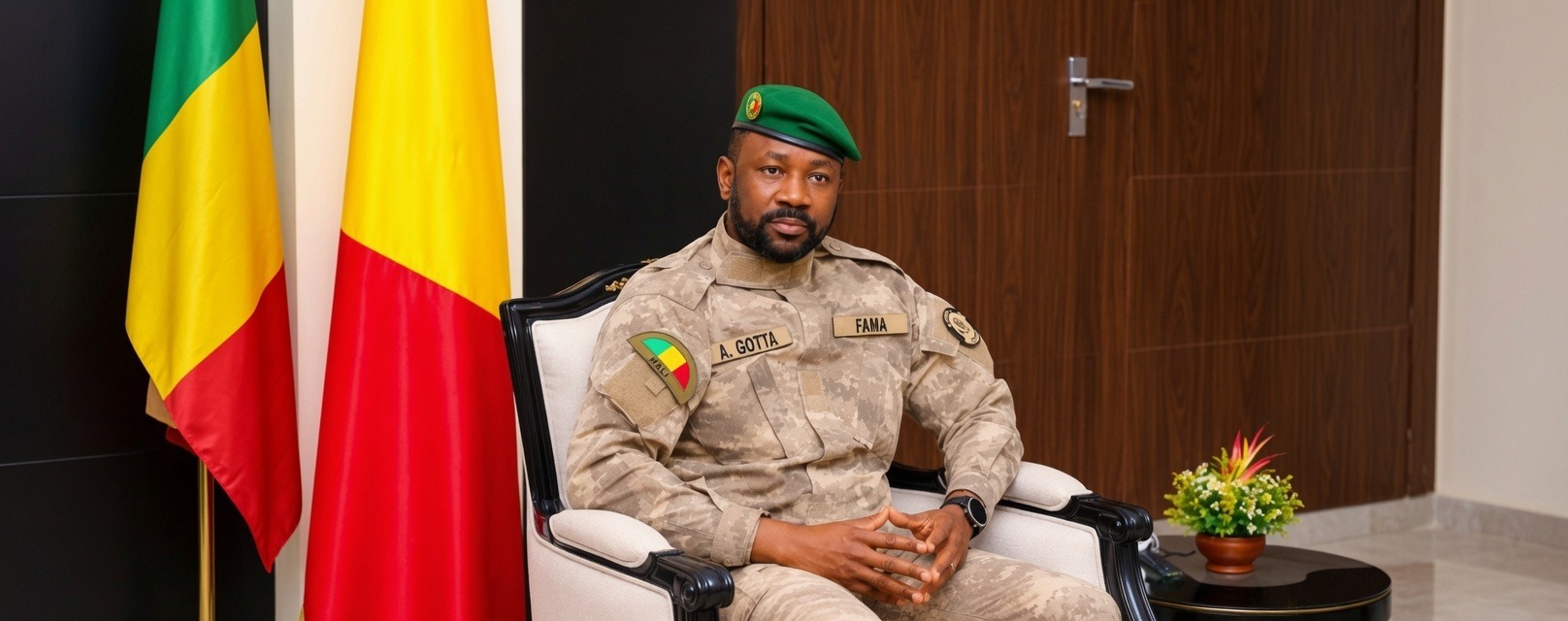
Mali’s aggressive counterterrorism campaign, supported by Russia’s Africa Corps, was intended to swiftly restore order. However, it has instead triggered a surge of severe repression disproportionately affecting civilians—the very people it aimed to safeguard. As allegations of widespread human rights violations dominate global discussions, one question grows more urgent: can a counterterrorism strategy that disregards international law ever deliver sustainable peace?
From legal pledges to systematic abuse: the erosion of trust
Mali has formally committed to some of the world’s most stringent humanitarian standards. With the Geneva Conventions ratified in 1965 and the adoption of the Additional Protocols, the nation’s legal framework established protections for civilians, banned torture, and limited arbitrary detention. Military education programs even include human rights training. Yet the ground reality tells a different story. What began as isolated incidents of misconduct has evolved into a deliberate strategy of abuse, where overwhelming force—not targeted action—drives military operations.
Under siege: civilians trapped between extremists and state violence
Field reports from credible human rights organizations expose a disturbing pattern in Mali’s central and northern regions. Civilians endure not only the threat from extremist groups but also organized repression from government-backed forces. Locals describe covert operations where entire villages are destroyed, livestock confiscated, and populations displaced based on unproven accusations of collaborating with militants. Survivors recount harrowing experiences: random executions, torture techniques like waterboarding and electrocution, and enforced disappearances—acts that meet the criteria for war crimes under international law.
The Fulani community has suffered disproportionately, caught in the crossfire between armed factions and retaliatory state actions. For many, survival has become an agonizing daily choice—flee or endure unspeakable hardship.
UN departure leaves a void of oversight
The withdrawal of the UN stabilization mission in 2023 removed a critical check on military behavior. Without on-the-ground monitors, human rights groups now rely on remote testimonies, but the absence of direct verification weakens evidence and emboldens perpetrators. A marked increase in reported abuses in the months after the UN’s exit illustrates how unsupervised power rapidly descends into unchecked violence.
Accountability in freefall: justice falls by the wayside
Holding those responsible to account has become nearly unattainable. Mali’s leadership has signaled plans to withdraw from the International Criminal Court, closing the door to international legal avenues. Domestic courts, heavily influenced by military authorities, lack autonomy. Even regional bodies have failed to take meaningful action: the African Union restricts itself to cautious statements, while ECOWAS focuses narrowly on political transitions, offering no framework to examine military conduct or enforce human rights protections in conflict zones.
Why brute force backfires against security
The strategy’s core flaw lies in its self-defeating nature. Far from dismantling insurgent networks, indiscriminate violence fuels deep-seated grievances. Communities that once viewed the state as a protector now associate it with destruction. This shift plays directly into the hands of extremists, who leverage civilian suffering to recruit more members. Ultimately, the military’s heavy-handed tactics don’t enhance security—they erode public trust and weaken the legitimacy the junta claims to represent.
As the cycle of violence intensifies, one grim question lingers: for a government that positions itself as a champion of Mali’s future, what cost is too high to bear?