The question is no longer theoretical for Benin’s business leaders. With over 3,000 products now exempt from UAE tariffs, the country’s exporters face a make-or-break moment: will they seize this window to leapfrog competitors, or watch millions in potential revenue slip away?
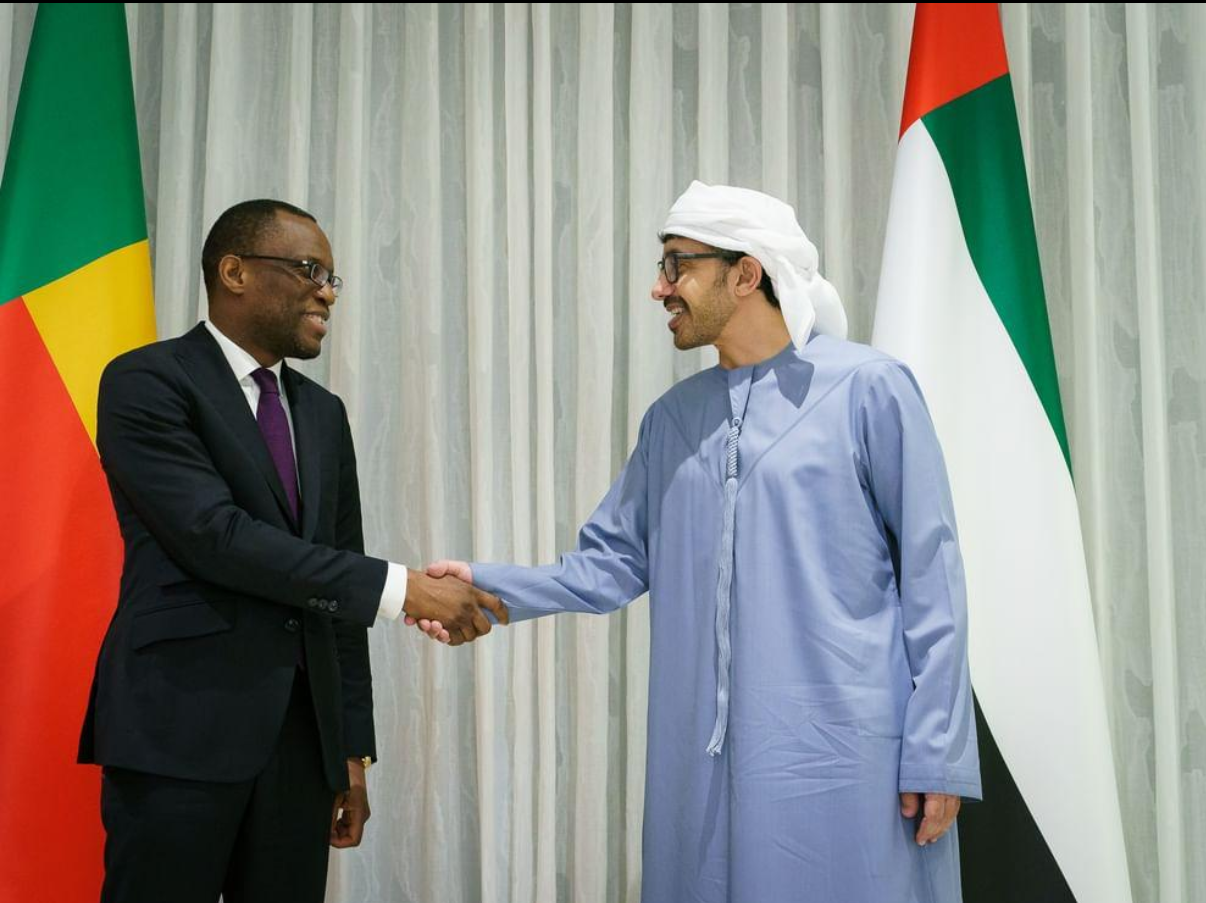
This isn’t just another trade handshake—it’s a high-stakes gamble on whether Benin can transform its export-driven growth model from raw materials to finished goods. The October 2026 agreement signed in Abu Dhabi by President Romuald Wadagni and Sheikh Mohamed bin Zayed Al Nahyan promises more than just tax breaks. For the first time, Beninese agricultural and industrial products could compete on price parity with Turkish, Indian, and European goods in one of the world’s fastest-growing luxury and processed food markets.
From raw exports to value-added breakthroughs: where will the real value land?
The devil, as always, is in the details. While the agreement spells out which 3,000-plus products gain duty-free status, the true prize lies in whether Beninese producers can upgrade their offerings before the first shipments land in Dubai’s ports.
Take cotton, for instance. Currently exported as fiber, Benin’s textile sector has the potential to pivot toward finished garments—if local manufacturers can secure financing, train workers, and meet the UAE’s stringent quality demands. The same logic applies to cashews, shea butter, and soybeans, where downstream processing could unlock margins five times higher than selling unprocessed kernels or oil.
Quality over quantity: the invisible battle for shelf space
Even with zero tariffs, shelf space in Dubai’s malls and supermarkets won’t wait. Beninese exporters must demonstrate consistency in taste, shelf life, and packaging. This means adopting international food safety standards, investing in cold-chain logistics, and securing certification bodies in Europe or the Gulf.
Early adopters are already testing the waters. A cluster of cashew processors in Parakou has begun shipping semi-processed kernels to a Dubai-based importer, cutting transit times by 30%. The pilot shipment sold out within two weeks—proof that demand exists, but scalability remains the bottleneck.
Local jobs hinge on global demand: who really benefits?
The ripple effects could reach far beyond the boardrooms of Cotonou. If export volumes double, cooperatives, SMEs, and transport fleets across Benin’s agricultural heartlands would need to hire thousands of workers—from tractor operators to packaging specialists. Women-led shea cooperatives in Natitingou, for example, could scale production by 40% if they secure contracts with UAE buyers.
Yet the risk is clear: without targeted support, gains could bypass rural communities entirely. Large trading houses might corner the market, leaving smallholders with minimal price improvements. To prevent this, the government’s post-agreement playbook must prioritize credit guarantees for farmers, vocational training in quality control, and digital platforms connecting producers directly to Dubai buyers.
Beyond oil: the UAE’s hunger for diversification—and what it means for Benin
Trade data tells a compelling story. Bilateral non-oil commerce hit $2.15 billion in 2025—a 65% jump from 2024—and reached $1.29 billion in the first half of 2026 alone. The UAE isn’t just buying oil anymore; it’s stocking shelves with gourmet foods, cosmetics, and renewable energy tech. Benin’s positioning as a gateway to West Africa’s agricultural abundance gives it a unique edge—if it moves fast enough.
Investment flows are already shifting. Emirates-based logistics firms are exploring cold storage hubs in northern Benin, while solar energy companies eye mini-grid projects to power processing plants. These aren’t just trade deals; they’re infrastructure bets that could anchor Benin’s economy for decades.
What will decide success: three make-or-break tests for Beninese businesses
No policy, no matter how ambitious, can guarantee outcomes. The real test lies in execution. Here’s what will separate winners from also-rans:
- Speed to market: Can exporters deliver consistent, certified products within six months? UAE buyers won’t wait a year for samples.
- Financing backbone: Without low-interest loans for upgrades, even the best-laid plans will stall before reaching scale.
- Knowledge transfer: Partnerships with Dubai-based importers could fast-track compliance—but only if Beninese teams gain hands-on training in logistics, marketing, and e-commerce.
The agreement’s fine print is clear: tariffs will vanish come ratification. The open question is whether Benin’s businesses—from the largest agribusinesses to the smallest shea butter makers—can vanish the barriers that have held them back for years.
From accord to altitude: can Benin soar, or will it stall?
The UAE deal isn’t a silver bullet, but it’s a once-in-a-decade chance to rewrite Benin’s economic narrative. The next 24 months will reveal whether the country’s exporters can climb the value chain or remain trapped in a cycle of low-margin raw exports. One thing is certain: the world isn’t waiting. Dubai’s shelves are filling with Turkish hazelnuts, Ivorian cocoa paste, and Senegalese packaged rice. Benin’s window to claim its share of the pie is open—but it won’t stay open forever.