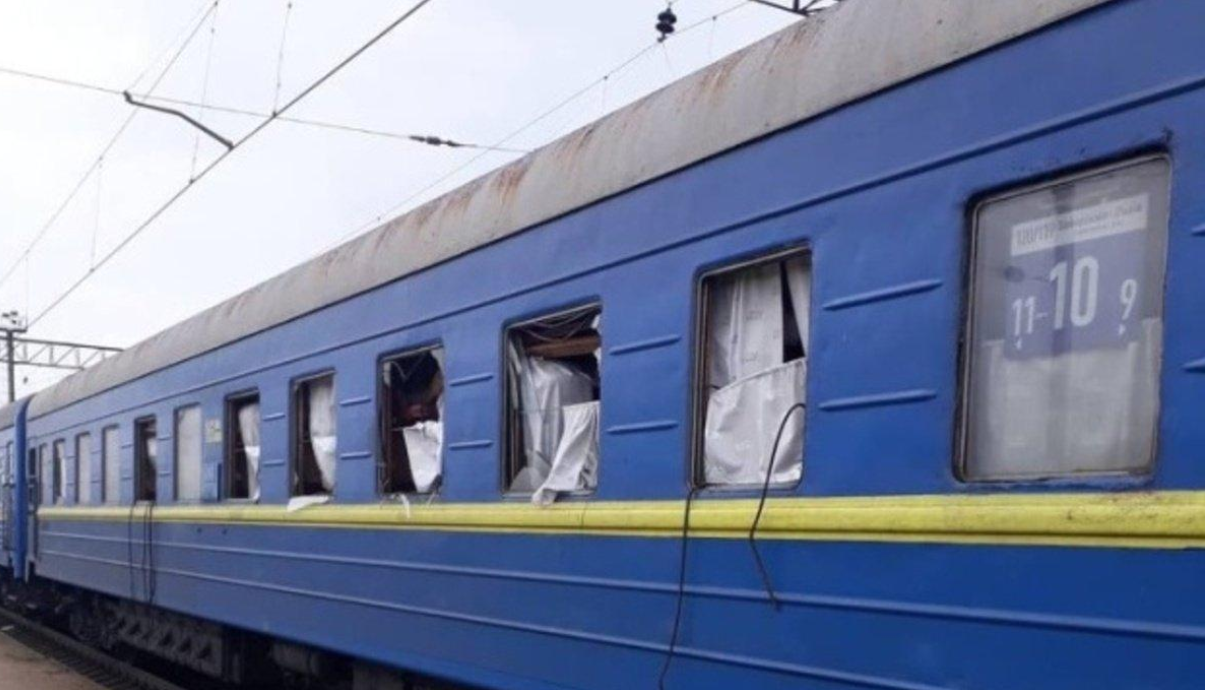
The morning of October 29, 2026, was supposed to be like any other in Dnipro, a bustling industrial city in eastern Ukraine near active front lines. Instead, it became a day of horror when a Russian jet-powered drone slammed into a crowded railway platform, killing at least 13 civilians and forcing emergency crews into a frantic rescue operation.
From routine travel to a scene of devastation
The drone strike hit just as commuters gathered for the morning train to Zaporizhzhia, a journey many took to escape southern conflict zones. Authorities confirmed the attack targeted a platform packed with passengers, including those boarding Train #866. The impact was so severe that emergency teams had to cordon off the area while medical crews treated the wounded and recovered the deceased.
The aftermath revealed a grim paradox: a civilian railway station, a lifeline for millions, had become a killing field overnight. Local officials and international observers now question whether even ordinary places can be considered safe in modern warfare.
The strategic dilemma: why railways are now on the front lines
Ukrzaliznytsia, Ukraine’s national railway operator, issued air-raid warnings before the strike, yet the attack still occurred. This raises critical questions about the limits of civilian protection in war zones where infrastructure is both essential and exposed. Railways are vital for evacuations, supply chains, and daily life—but they also represent high-value targets for drone strikes.
- Limited evacuation windows: Alerts may sound, but full platform clearance is nearly impossible when trains are boarding or schedules are tight.
- Dual-use vulnerabilities: Military tracks and civilian depots often share networks, making every station a potential liability.
- Psychological toll: Civilians now weigh the risk of every trip, turning routine journeys into high-stakes decisions.
Drones as weapons: shifting the rules of the war
Jet-powered drones like the one used in Dnipro pose unique threats. Their speed and altitude make them harder to intercept than propeller-driven models, giving attackers a tactical edge. For Ukraine, this means allocating scarce air-defense resources to protect non-military zones while Russia exploits these gaps.
The strike’s precision targeting also suggests a deliberate strategy—whether to cripple morale, disrupt logistics, or test Western responses. With civilian casualties mounting, international law experts warn that such attacks may violate humanitarian protections under the Geneva Conventions.
Kyiv’s response: a call for stronger deterrence
President Zelensky condemned the attack as a blatant violation of civilian sanctity, urging Western allies to impose stricter sanctions on Moscow and reinforce air-defense systems. The tragedy at Dnipro underscores a harsh reality: despite three years of war, Russia continues to escalate attacks on non-combatant infrastructure.
For Ukraine, the challenge is twofold: protect its people while maintaining the railways that keep the nation running. Yet with drones becoming cheaper and more accessible, the threat shows no signs of abating.
The human cost: families torn apart by a single strike
Behind the cold statistics—13 lives lost, dozens injured—are shattered families, shattered plans, and a community left grieving. Parents waited for children. Workers hoped to reach jobs. Refugees sought escape routes. All were met with violence instead.
As rescue teams work through the debris, one question lingers: How can a nation shield its civilians when every critical route becomes a potential combat zone?
What’s next for Dnipro and beyond?
The aftermath of Dnipro’s strike will likely spark debates on three fronts:
- Technological defenses: Upgrading radar and interceptors to counter drone swarms.
- International pressure: Demanding accountability for strikes targeting civilian hubs.
- Civilian strategies: Rethinking travel patterns and emergency protocols in high-risk areas.
The answer will define not just Dnipro’s future—but whether Ukraine’s people can ever reclaim a sense of normalcy.