Algeria’s state energy group Sonelgaz has signed two agreements with Senegal’s national electricity company, Senelec, in a move that could reshape electricity supply, gas development and industrial capacity in Senegal. The deals, signed after high-level talks in Algiers, carry direct consequences for Senegalese consumers, companies and the country’s broader economic trajectory.
The impact is already being felt in the planning stages. Senegal, on the verge of becoming a gas producer, is looking for experienced partners to turn its resources into reliable and affordable power. Sonelgaz, with decades of experience in gas-fired electricity generation, is positioning itself as that partner. For ordinary Senegalese households and businesses, the stakes are straightforward: more stable electricity, potentially lower costs over time, and new industrial opportunities.
The economic ripple effects of the Sonelgaz-Senelec agreements
The two memorandums signed with Senelec cover a wide range of activities, from technical assistance and skills transfer to the manufacture and sale of electrical equipment. The agreements also include the development of energy infrastructure and the strengthening of electricity interconnection. Each of these areas has a direct bearing on Senegal’s economy.
Skills transfer means Senegalese engineers and technicians will be trained to operate and maintain new infrastructure, reducing dependence on foreign expertise in the long run. Local manufacturing of electrical equipment could create jobs and reduce import costs. Better interconnection helps stabilise supply across regions, which is critical for businesses that currently rely on costly backup generators.
What Senegal stands to gain from Algeria’s expertise
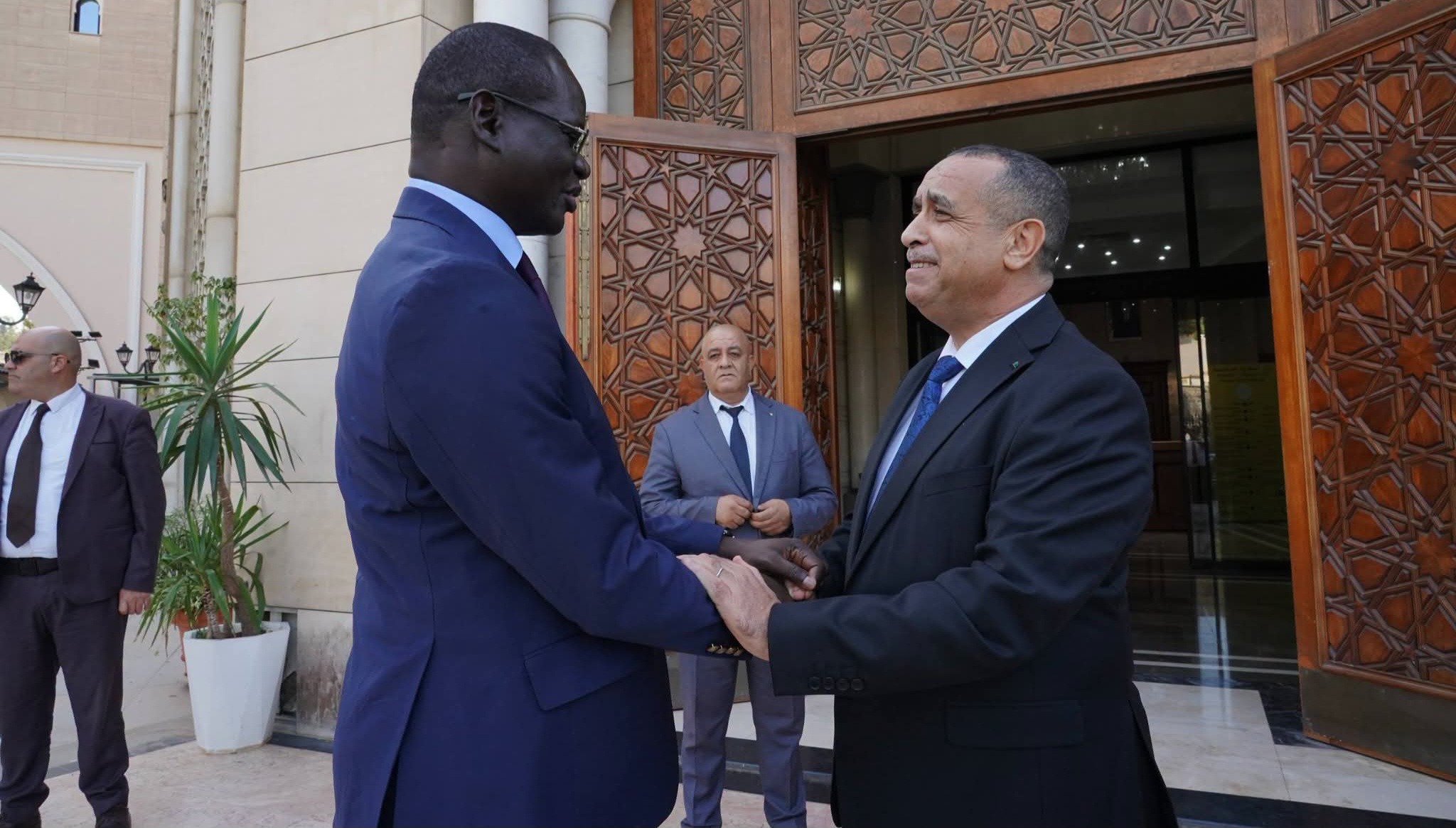
Senegal’s energy minister, El Hadji Abdourahmane Diouf, described Algeria as a reliable partner for the next phase of the country’s development. His Algerian counterpart, Dr Mourad Adjal, reaffirmed Algeria’s willingness to support Senegal across the entire energy value chain, from power production to gas distribution, equipment manufacturing and training.
For Senegal, the appeal is clear. The country is preparing to join the ranks of gas-producing nations and needs proven expertise to convert its resources into affordable electricity. Algeria’s experience in gas-to-power projects is among the most extensive on the continent. By tapping into that know-how, Senegal hopes to accelerate its energy independence while keeping development costs under control.
The regional dimension: a South-South partnership with consequences
The agreements are part of a broader South-South cooperation framework that both countries see as mutually beneficial. Sonelgaz has already established a strong presence in Mali, Niger, Cameroon, Benin and Mauritania. Its push into Senegal extends Algeria’s economic diplomacy deeper into West Africa.
For Senegal, the partnership is not just about electricity. It is about building the industrial and technical foundations that will support long-term growth. Reliable power is a prerequisite for manufacturing, agro-processing and services. If the Sonelgaz-Senelec deals deliver on their promise, the effects could be felt across the Senegalese economy for years to come.
Next step: a government-level energy accord in Dakar
The memorandums signed with Senelec are only the beginning. Both countries have scheduled a comprehensive government agreement on energy and renewable energy to be signed in Dakar in early December. That accord is expected to formalise and expand the cooperation, giving businesses and investors a clearer picture of the regulatory and commercial framework.
For now, the message from Algiers and Dakar is one of momentum. Sonelgaz’s expansion into Senegal is not just another corporate deal; it is a signal that Algeria intends to be a leading player in Africa’s energy sector. For Senegal, the real test will be whether these agreements translate into tangible improvements for households and businesses. If they do, the impact could be transformative.