Haïti’s escalating gang crisis demands innovative solutions
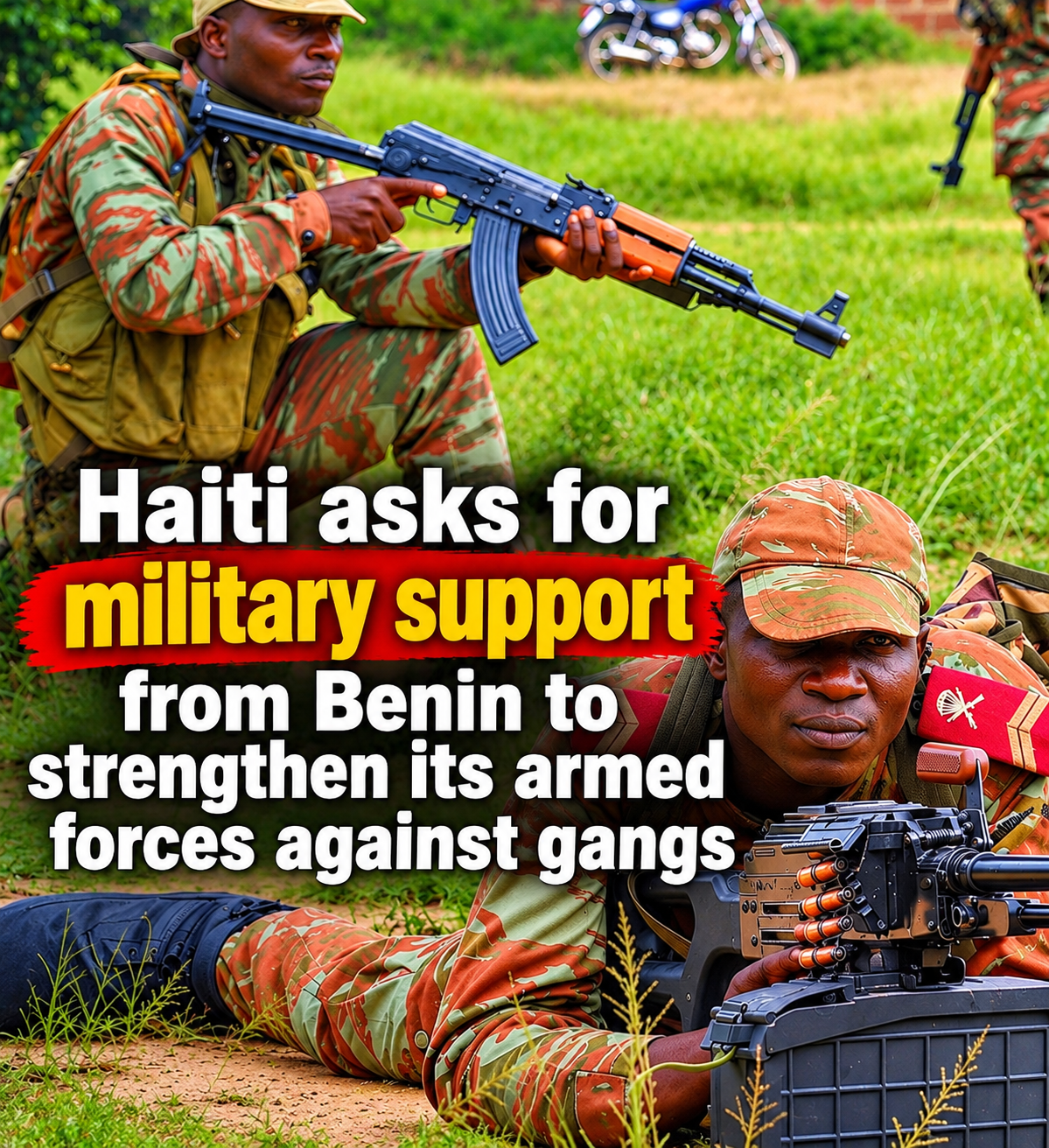
The ongoing security crisis in Haiti has reached unprecedented levels, with armed gangs consolidating control over strategic urban and rural zones. This situation has crippled governance, disrupted economic activity, and eroded public trust in national institutions. As Port-au-Prince grapples with these challenges, a critical question arises: could Benin’s military experience provide the expertise needed to counter the gang insurgency?
The Haitian government is actively exploring unconventional partnerships to address this threat, and Benin’s strategic approach to security challenges has drawn attention as a potential model for collaboration.
Military cooperation emerges as a strategic response to gang dominance
The deteriorating security landscape in Haiti has forced authorities to reconsider traditional defense strategies. Recent high-level discussions between military leaders from both nations, held in Cotonou, underscored the urgency of strengthening operational capabilities through targeted training and knowledge exchange.
The proposed collaboration aims to enhance the Haitian armed forces’ readiness by leveraging Benin’s proven track record in countering insurgent threats in its northern regions. This partnership reflects a broader shift toward regional expertise in addressing complex security crises.
A focused approach to military training and capacity building
The crisis in Haiti is not merely a logistical challenge it demands a transformation in how military forces operate. Key areas of focus include:
Discipline and operational readiness: Strengthening soldier discipline and responsiveness under pressure
Unit coordination: Improving inter-force communication and tactical synchronization
Urban warfare adaptation: Developing strategies tailored to Haiti’s dense urban conflict zones
Civilian protection protocols: Ensuring humanitarian considerations guide military engagements
These elements form the backbone of a sustainable security strategy one that prioritizes skill development over brute-force solutions.
Why Benin? Regional expertise meets adaptable solutions
Benin’s selection as a partner stems from its firsthand experience in combating extremist groups along its northern border. Over the past decade, the country has refined its military tactics, intelligence-sharing mechanisms, and rapid-response frameworks to address asymmetric threats.
However, Haiti’s challenges differ markedly. While Benin’s insurgents operate in sparsely populated areas, Haitian gangs exert control over densely populated neighborhoods, complicating conventional military intervention. The success of this partnership will hinge on Benin’s ability to adapt its methodologies to Haiti’s unique security landscape.
The limits of military training in a multifaceted crisis
Despite its potential, military training alone cannot resolve Haiti’s deep-seated instability. Structural issues such as governance gaps, economic deprivation, and institutional weaknesses must also be addressed. The Benin-Haiti collaboration represents a tactical step forward, but its long-term impact depends on complementary reforms.
Nevertheless, the exchange of military expertise could serve as a catalyst for broader institutional improvements, fostering trust and efficiency within Haiti’s security apparatus.
A new chapter in South-South military cooperation
This initiative challenges the assumption that only Western militaries possess the solutions to global security crises. By prioritizing knowledge-sharing between nations with shared challenges, Haiti and Benin are setting a precedent for cooperation among developing states.
The upcoming months will determine whether this partnership can translate discussions into tangible results. If successful, it could redefine regional security frameworks and inspire similar collaborations across the Global South.
Measuring progress: from dialogue to operational impact
The true test of this collaboration lies in its execution. Metrics for success may include:
Reduction in gang-controlled territories: Measurable improvements in security governance
Enhanced soldier performance: Demonstrated proficiency in counterinsurgency tactics
Institutional trust-building: Strengthened public confidence in security forces
Sustainable training frameworks: Long-term capacity for local military self-reliance
While early engagement between military leaders marks a promising start, the scale of Haiti’s crisis requires sustained commitment from both nations.
Conclusion: A strategic gamble with high stakes
Haiti’s current security predicament demands bold, innovative solutions. The decision to seek Benin’s military expertise signals a willingness to explore non-traditional pathways to stability. Yet, the ultimate success of this partnership will depend on the ability to turn strategic discussions into actionable, results-driven initiatives that prioritize the safety and security of Haitian citizens.
By Daniel Mbami — Journalist