Why did an explosive intercept operation in Hamile end in tragedy?
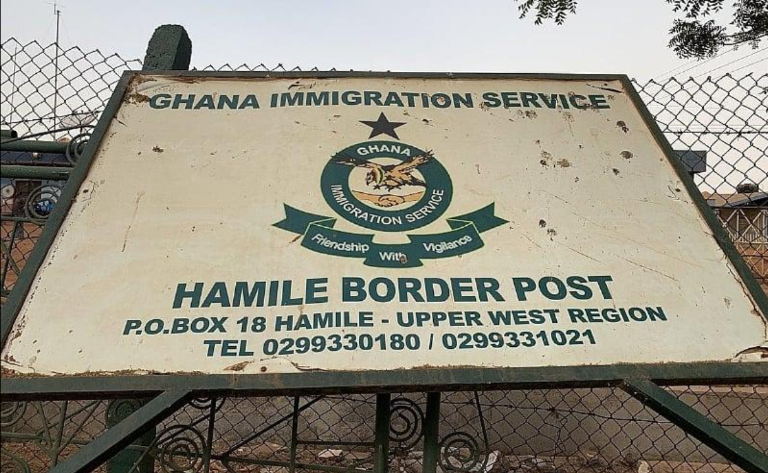
The remote border town of Hamile in Ghana’s Upper West Region became the scene of a devastating explosion on November 3, 2026, when a pursuit of a tricycle carrying suspected explosives took a fatal turn. Among the casualties was an officer from the Ghana Immigration Service, raising urgent questions about the preparedness of security forces in volatile border regions. Authorities are investigating whether the detainees’ refusal to halt at a checkpoint triggered the confrontation that led to the blast.
The incident has sent shockwaves through northern Ghana, where communities are increasingly caught between the pressures of cross-border trade and the need for tighter security amid rising regional instability. While early reports suggest this was not a terrorist act, the tragedy underscores persistent vulnerabilities in frontier surveillance.
How did the pursuit of an unmarked vehicle lead to a deadly explosion?
According to initial security assessments, the tricycle was traveling via an unauthorized route when intercepted by border patrol officers. When ordered to stop, the occupants allegedly accelerated, prompting a high-speed pursuit. The explosion occurred moments later, killing the immigration officer on the spot and critically injuring another security personnel. Civilians in the vehicle also perished in the blast, leaving authorities scrambling to determine whether the cargo was industrial explosives or contraband.
To date, no official confirmation has been issued regarding the origin of the explosives or the identities of the deceased. The investigation remains ongoing, with forensic teams analyzing fragments and gathering testimonies from local witnesses.
Is Ghana doing enough to secure its frontier with Burkina Faso?
Hamile sits just a few kilometers from the Burkina Faso border, making it a critical node in West Africa’s porous frontier zone. The town’s strategic position supports bustling cross-border commerce but also makes it a potential hotspot for illicit movements, including weapons, contraband, and explosives. While Ghanaian authorities have increased patrols and checkpoint operations, critics argue that these measures remain reactive rather than preventative.
Analysts point to several systemic issues exacerbating border insecurity:
- Limited infrastructure: Remote and often unmarked border sections are difficult to monitor effectively.
- Understaffed posts: Many security units lack the personnel and resources to conduct 24/7 surveillance.
- Community reliance on informal trade: Residents depend on unofficial routes for daily goods, complicating enforcement efforts.
This incident has forced security planners to reconsider their strategies, balancing deterrence with the realities of local livelihoods.
What does the Sahel crisis have to do with the Hamile blast?
The timing of the Hamile explosion raises concerns about spillover risks from neighboring Burkina Faso, where a decade-long insurgency has displaced over two million people and destabilized entire regions. While no evidence links the blast to extremist groups, the incident has intensified debates over whether Ghana’s northern regions could become unwitting conduits for regional violence.
Defense officials have warned that unchecked smuggling of weapons and explosives could inadvertently arm non-state actors, creating a secondary front in the Sahel conflict. In response, the Ghana Armed Forces and border agencies have intensified joint patrols with Burkina Faso counterparts, though coordination remains fragmented.
What immediate steps are authorities taking after the tragedy?
In the wake of the explosion, Ghana’s National Security Council has convened emergency meetings to review border security protocols. Key actions include:
- Deployment of additional detection units equipped with portable explosive trace analyzers.
- Mandatory training for immigration and customs officers on identifying and handling hazardous materials.
- Community outreach programs to discourage the use of unauthorized routes among traders and transporters.
Meanwhile, medical teams are providing critical care to the injured officer and supporting families of the deceased. Investigators have cordoned off the blast site, collecting evidence for a comprehensive forensic report.
Can Ghana prevent future border tragedies like Hamile?
Preventing another deadly incident will require a multi-layered approach rooted in both enforcement and collaboration. Security experts advocate for:
Enhanced intelligence-sharing: Strengthening ties with Burkina Faso and Côte d’Ivoire to track suspicious movements before they cross borders.
Community engagement: Involving borderland leaders in designing surveillance strategies that respect traditional trade networks.
Technology investment: Expanding the use of drones, night-vision cameras, and AI-driven anomaly detection in high-risk zones.
Yet, experts caution that technological solutions alone won’t suffice without addressing the socioeconomic roots of smuggling. Without alternative livelihoods, communities may continue circumventing official checkpoints, perpetuating the cycle of risk.
What’s next for Ghana’s border security after Hamile?
The explosion at Hamile is not just a tragedy—it’s a turning point. For a nation that prides itself on regional stability, the event has exposed glaring weaknesses in border governance. While the full report remains pending, one thing is clear: the status quo is no longer tenable.
The government faces a delicate balance—securing its frontier without stifling the vibrant trade that sustains thousands of households. Whether this moment sparks lasting reform or fades into policy stagnation may well define Ghana’s security landscape for years to come.