From flight to forced return: the harsh reality faced by Burkinabè miners
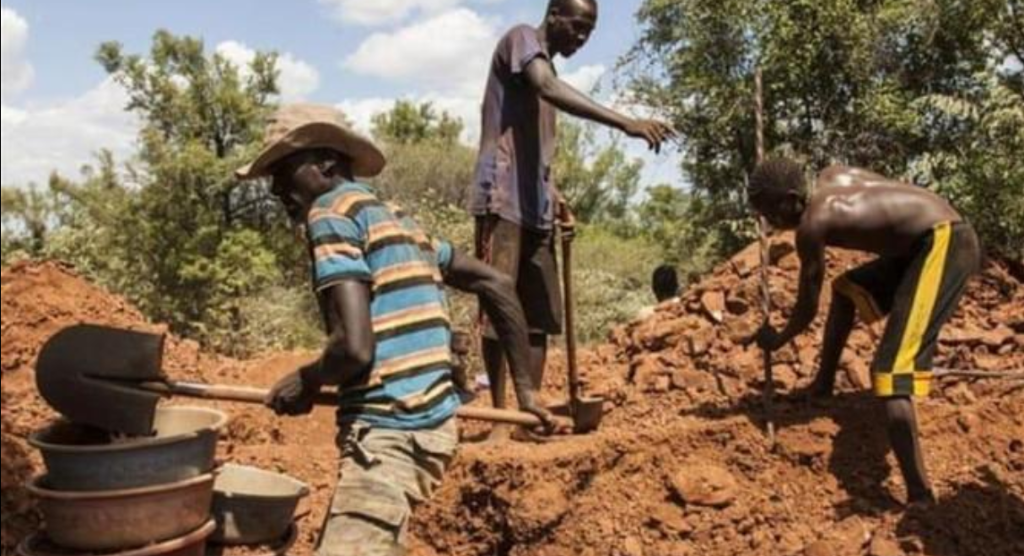
The promise of gold in Guinea once lured thousands of Burkinabè artisans away from war zones and economic collapse. But what began as an escape from terror and poverty has led to new suffering: forced deportation from Guinean mining sites has left miners stranded, with no livelihood and no clear path forward.
Why did Burkinabè miners leave Burkina Faso in the first place?
Years of armed attacks, rising insecurity and economic hardship have ravaged parts of Burkina Faso. Whole villages emptied under the weight of violence, with communities displaced and farmlands abandoned. For many, survival meant crossing borders in search of income. The gold fields of Guinea’s Siguiri region offered temporary work, however grueling, enabling miners to send money home and support families left behind.
Gold, survival and fragile stability
In Guinea, Burkinabè miners worked under difficult conditions. But these jobs, despite their precariousness, provided a fragile stability—one that allowed families to eat and plan. Yet this lifeline was abruptly cut when Guinean authorities launched sweeping expulsions targeting undocumented foreign miners. Reports of harsh treatment raised concerns over basic rights, leaving thousands with no income and no shelter.
Can returning Burkinabè miners find any security in Burkina Faso?
The journey home is not a return to safety. Many villages remain under threat of attack. Homes may be destroyed or occupied. Farmland may be inaccessible. Even in displacement camps or urban centers, life is unstable. Jobs are scarce. Shelter is overcrowded. Food is rationed. These Burkinabè miners now face a cruel irony: they fled violence only to be pushed into deeper poverty upon their return.
Without savings or support, how can they rebuild their lives? How long can families survive when every expense must be weighed against no income in sight?
Could unemployment push returnees toward armed groups?
Extreme poverty doesn’t automatically lead to radicalization—but it weakens resistance. When a young man sees no future, no job, no hope, he becomes a target. Armed groups are known to exploit such despair, offering money, protection—or a twisted sense of belonging. While not every unemployed returnee will join, the risk is real: a growing pool of vulnerable men becomes fertile ground for recruitment.
This threat is not hypothetical. In regions where state presence is weak and frustration runs deep, desperation can become a tool for violence. The expulsion of Burkinabè miners from Guinea doesn’t just remove their livelihood—it may push them into a cycle of greater endangerment.
Could this crisis turn into an opportunity for national renewal?
This moment demands more than simple repatriation. It calls for a comprehensive reintegration strategy—one that includes identifying vulnerable returnees, assessing their home villages’ safety, and providing emergency aid where needed. Financial assistance, vocational training, and temporary employment could help restore dignity and hope.
Local governments, humanitarian groups and development partners must work together to prevent these miners from becoming invisible casualties of conflict. Burkina Faso cannot afford to let thousands of citizens fall through the cracks after already fleeing violence.
What future awaits Burkinabè miners forced home without support?
The question is not just about borders or deportations. It’s about national responsibility. Will these miners be welcomed back as victims deserving of care—or left to survive on the margins of a society already under strain?
The answer will shape more than individual lives. It will test Burkina Faso’s ability to protect its people, prevent future crises, and rebuild from within. There is no time for inaction. The clock is running on their hope.