As Togo approaches November 20, 2026, opposition figure Nathaniel Olympio is ramping up efforts to unite citizens against what he describes as systemic failures under President Faure Gnassingbé. Rising living costs, persistent power cuts, and deepening social injustices have fueled public frustration, setting the stage for a high-stakes nationwide protest.
What’s driving the citizen uprising?
The campaign spearheaded by Olympio hinges on four core grievances: spiraling inflation, unreliable electricity supply, institutional mismanagement, and the erosion of democratic norms through constitutional changes in 2024. These issues have galvanized a broad coalition of civil society groups under the banner of Manifeste Génération Togo.
Cost of living: the silent burden on households
Togolese families are struggling under the weight of soaring prices for essential goods. Nathaniel Olympio highlights how inflation disproportionately affects low-income households, small traders, and wage earners whose earnings lag far behind rising living expenses.
Critics argue that the government’s economic policies have failed to curb inflation or protect vulnerable households, transforming routine expenses into a daily struggle. For Olympio, this economic hardship isn’t just a policy failure—it’s a moral crisis that demands urgent attention.
Power cuts: the visible failure of governance
Repeated electricity outages have become a symbol of the government’s inability to deliver basic services. The Manifeste Génération Togo coalition has accused state-run Compagnie Énergie Électrique du Togo (CEET) of poor management, opacity, and failure to invest in infrastructure modernization.
The power crisis doesn’t just disrupt homes—it cripples local businesses, discourages investment, and undermines public trust. Opposition leaders see the ongoing blackouts as a direct reflection of systemic governance failures that prioritize short-term gains over long-term stability.
Social justice and institutional trust under scrutiny
Beyond economic concerns, Nathaniel Olympio is challenging what he calls a widening gap between citizens and their leaders. The opposition is demanding the release of political prisoners, the safe return of exiles, and a sweeping reform of governance structures to restore democratic accountability.
The regime’s response to these demands remains a point of contention. While Olympio frames the demands as moral imperatives, authorities have yet to address them substantively, deepening public skepticism about institutional responsiveness.
Constitutional reform: a democratic setback?
The 2024 constitutional amendments are at the heart of the political debate. Critics contend that the changes consolidated power within the presidency, undermined checks and balances, and effectively removed term limits, paving the way for Gnassingbé’s continued rule.
The opposition views these reforms as a betrayal of democratic principles and a direct threat to political pluralism. For Nathaniel Olympio, the constitutional changes aren’t just legal technicalities—they represent a deliberate erosion of civic rights that risks destabilizing the nation.
November 20: a day of reckoning
The upcoming patriotic warning day on November 20 is being positioned as a pivotal moment. Organizers are calling for a nationwide strike and public demonstrations to pressure the government into addressing the mounting crises.
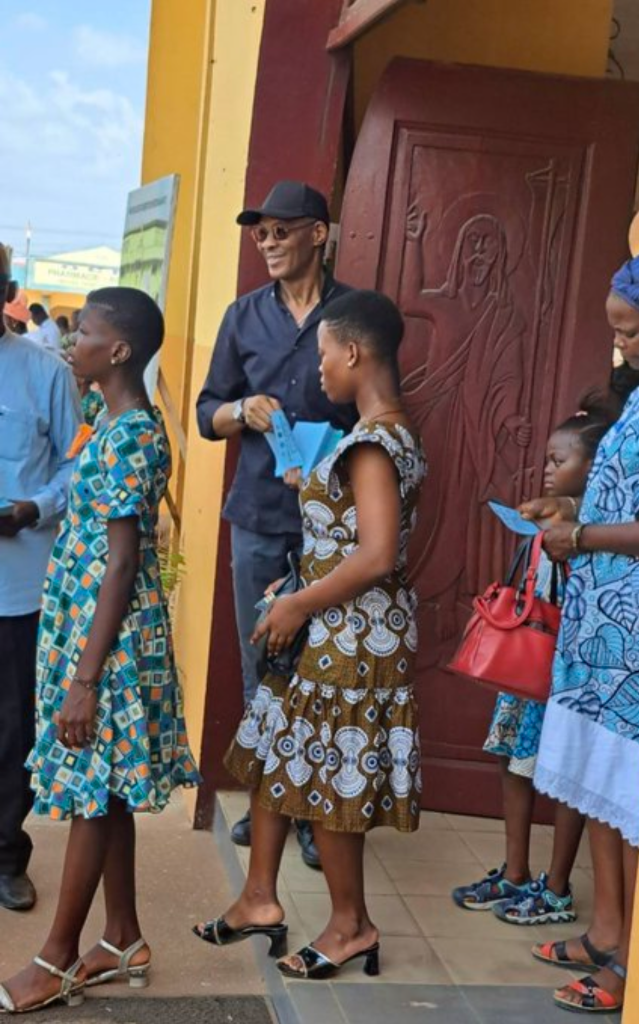
The campaign, which has included mass flyer distribution at church services and community meetings, is designed to amplify grievances before a potential political transition phase anticipated in early 2027. The goal? To force the regime to confront its failures—or risk losing legitimacy among a population pushed to the brink.
What’s next for Togo’s embattled government?
With public anger reaching a boiling point, the November 20 protests could serve as a tipping point. Nathaniel Olympio’s strategy—blending economic justice, service delivery failures, and democratic backsliding—aims to transform simmering discontent into a unified political challenge.
Whether these efforts will translate into mass mobilization remains uncertain. However, one thing is clear: if the government fails to address the root causes of the crisis, Togo may face a defining crossroads far sooner than anticipated.