Senegal’s revised finance bill 2026: reactions, debate and the road ahead after a three-day delay
The long-awaited revised finance bill for 2026 has finally landed at Senegal’s National Assembly, three days after the deadline set by the Prime Minister. The delay, which sparked a public spat between the government and the parliamentary leadership, has raised questions about the budget process and what it means for the country’s financial credibility. Here’s a closer look at the fallout, the debate it has triggered, and what happens next.
In a press release dated Friday, 18 September 2026, the National Assembly confirmed that it had received the revised finance bill (LFR) for the year 2026. According to the parliamentary institution, the text was duly delivered to its General Secretariat that afternoon, together with the transmission letter from the President of the Republic and the decree ordering its presentation to the deputies.
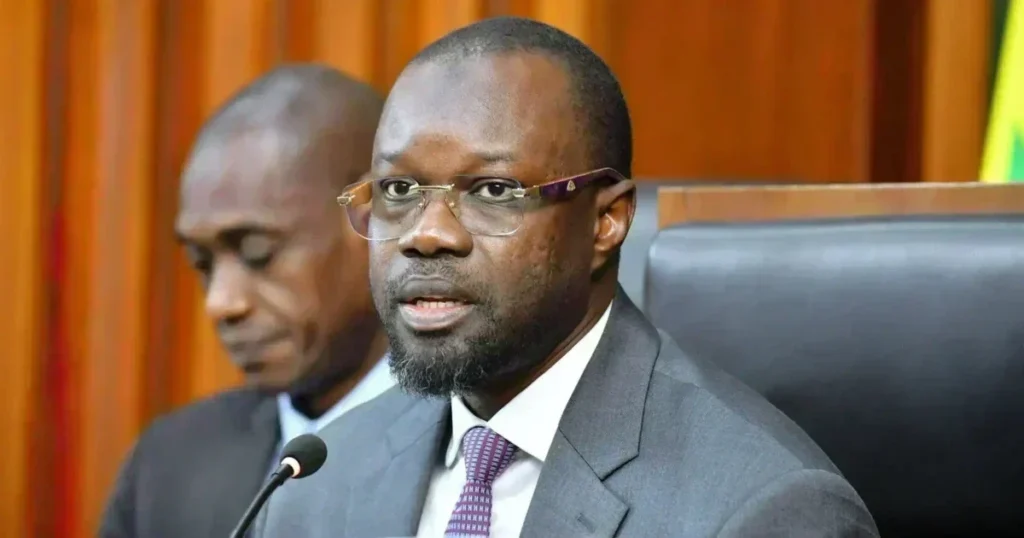
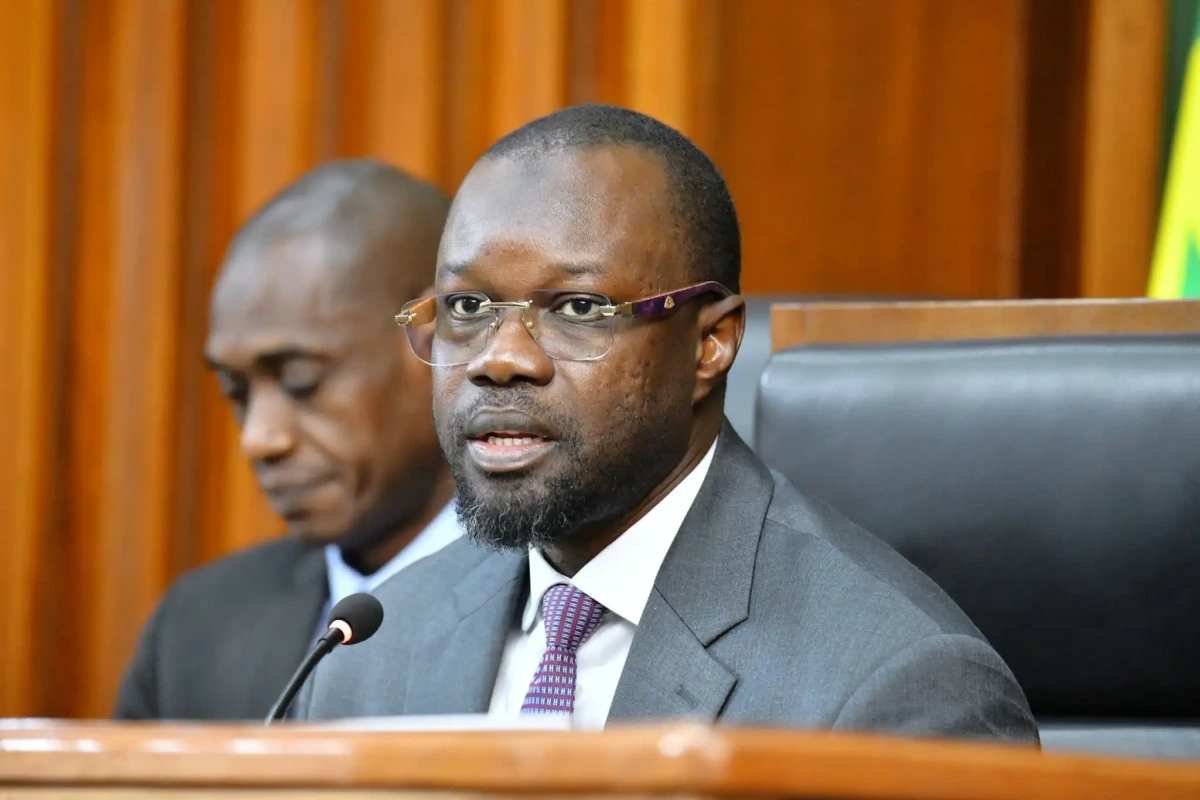
This deposit ends several days of uncertainty surrounding the budget timetable set by the Prime Minister’s office. Prime Minister Ahmadou Al Aminou Lô had instructed the Minister of Economy, Finance and Planning, Cheikh Diba, as early as 10 September during the Council of Ministers, to ensure that the text be transmitted to the National Assembly no later than 15 September. That deadline was apparently not met, giving rise to a controversy over a possible blockage, with the President of the National Assembly, Ousmane Sonko, himself stating that same Friday that he had not yet received any notification of the text. The communiqué published by the parliamentary institution thus confirms that the transmission eventually took place, three days behind the initially announced deadline.
The presidential decree attached to this transmission, decree No. 2026-1645, specifies that the bill will be presented to the National Assembly by the Minister of Economy, Finance and Planning, who is also responsible for explaining its motives and supporting the discussion before the deputies. This text repeals and replaces a previous decree, No. 2026-1236 of 29 June 2026, which already concerned the presentation of the same revised finance bill, a sign that the procedure had to be started afresh. The decree also entrusts the Minister of Economy and the Minister of Communication and Relations with Institutions with ensuring, each in their own capacity, the execution of the text, which will be published in the Official Journal. It was signed in Dakar on 18 September by the President of the Republic, Bassirou Diomaye Faye, and countersigned by the Prime Minister.
This deposit now paves the way for the examination of the 2026 revised finance bill by the deputies, a particularly closely watched step in a context of public finance recovery and commitments made by Senegal to its international partners. The Prime Minister’s budget calendar also includes the examination of the initial finance bill for 2027 in the Council of Ministers by the end of September, a deadline whose respect will be particularly scrutinized after this episode.
- Libération
- Le Dakarois
- La Voix +
- L’As
- Le Témoin
- Source A
- Le Dakarois Sport
- L’Obs
La rédaction vous conseille
Pour comprendre le contexte
- L’Assemblée nationale adopte le projet de loi de finances rectificative pour l’année 2012
- Assemblée nationale : La loi de finances rectificative 2024 adoptée par une large majorité
- Loi de finances rectificative 2025 : La Présidence, l’Assemblée et la Primature grossissent
- Loi de finances rectificative 2025 : 130 milliards FCFA de recettes en moins, l’Assemblée adopte le projet
À lire aussi
You may also like
Senegal local elections: the fallout of Diomaye Faye’s silence and what comes next
Dioura aftermath: the debate Bamako cannot silence as JNIM’s narrative takes hold
Niger’s citizenship purge: outcry grows as Tiani’s decrees leave opponents stateless
Moukoko takes over as Libreville prosecutor general: reactions, debate and what comes next
Benin–Spain cultural alliance: what the reaction tells us about what comes next