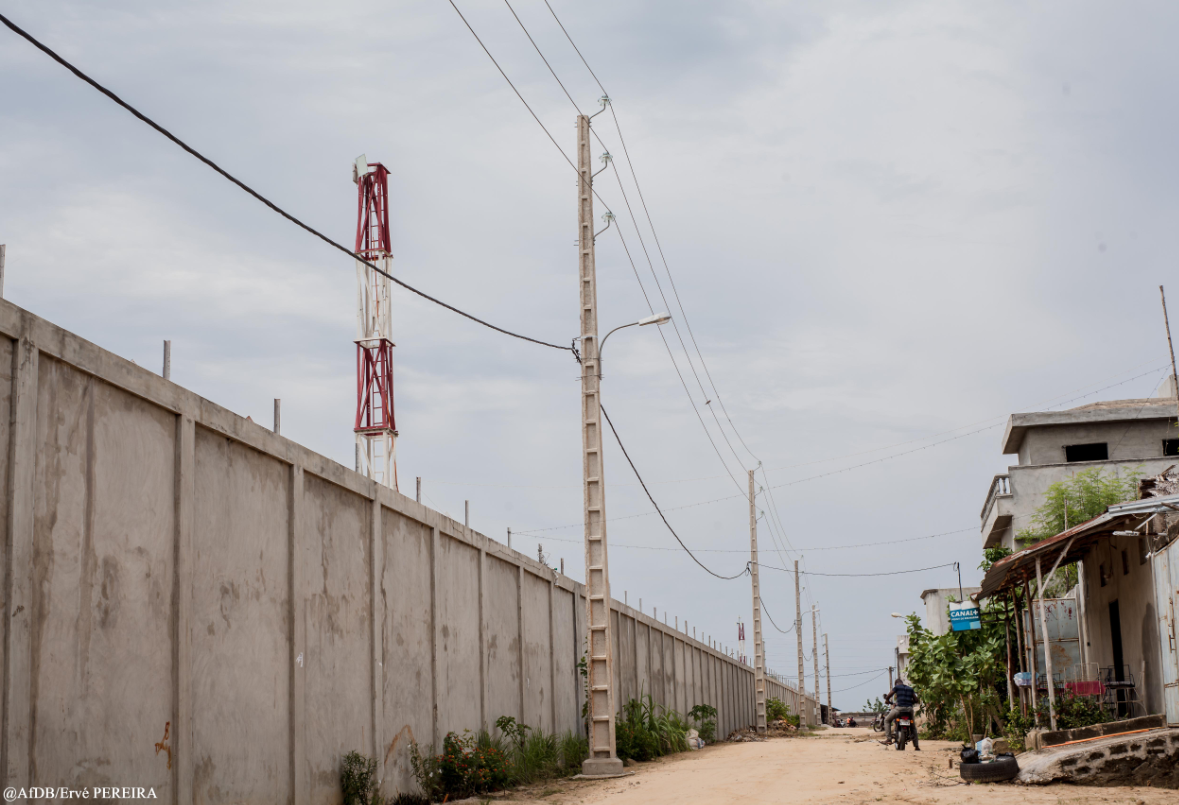
At the crossroads of energy policy and economic transformation, Cotonou stands at the center of a pivotal debate this week. From October 28 to 30, 2026, the city hosts the 12th African Think Tanks Summit (#ATTS2026), a high-level gathering where policymakers, researchers, and development partners confront a critical question: how can Africa turn expanded electricity access into measurable economic progress?
Beyond power lines: designing an energy strategy that drives growth
The summit, organized by the African Capacity Building Foundation (ACBF) in partnership with the Government of Benin and the African Union Commission, shifts the focus from mere connectivity to value creation. Delegates will explore how reliable, affordable, and appropriately scaled electricity can serve as the backbone of industrialization, agricultural modernization, and service sector development across the continent.
The event’s theme — ‘From energy access to economic transformation: practical policy pathways for viability, growth, and electricity sector reform in Africa’ — underscores that electrification alone is not enough. For electricity to catalyze development, it must integrate seamlessly with productive sectors, support entrepreneurial ventures, and respond to the real-time energy demands of households, farms, and businesses alike.
Why energy quality matters more than connection rates
The discussions in Cotonou challenge the conventional metric of ‘how many people now have power?’ Instead, the emphasis is on ‘how does that power translate into business expansion, job creation, and better public services?’ Irregular supply or prohibitive costs can cripple local industries, deter foreign investment, and stifle innovation. A well-structured energy ecosystem, by contrast, can stimulate supply chains, reduce inefficiencies, and unlock new economic corridors.
Aristide Médenou, Benin’s Minister of Economy and Finance, opened the event with a call for measurable outcomes. ‘We must judge our energy policies by their real-world impact,’ he stated. Is the electricity enabling farmers to operate after dark? Are factories running three shifts instead of one? Are small businesses launching or closing due to energy costs? These are the indicators that will determine whether the continent’s energy investments are paying off.
Institutions and financing: the invisible engines behind visible results
According to Mamadou Biteye, ACBF Executive Secretary, the ability to implement and sustain energy reforms often matters more than the reforms themselves. ‘Access without usage is a half-built bridge,’ he remarked. ‘Africa needs capable institutions, clear regulations, and coordinated action across governments, utilities, and investors to translate policy into progress.’
The summit examines three interlocking pillars:
- Institutional capacity: Strengthening national energy agencies, regulators, and local governments to design, monitor, and adapt energy strategies.
- Financing mechanisms: Exploring blended finance models, public-private partnerships, and concessional loans to fund large-scale infrastructure without overburdening consumers.
- Local integration: Ensuring rural areas and secondary cities benefit from decentralized energy solutions that support agriculture, light manufacturing, and community services.
The Cotonou test case: bridging national policy and urban reality
Cotonou itself exemplifies the challenges and opportunities at stake. Mayor Luc Gnacadja highlighted how energy availability directly influences urban dynamism — from powering clinics and schools to enabling street vendors and tech startups. ‘When neighborhoods have stable electricity,’ he noted, ‘local economies grow, public services improve, and families see tangible improvements in daily life.’
The summit encourages mayors, governors, and district leaders to adopt energy plans that align with national priorities while addressing grassroots realities. This bottom-up approach is seen as essential for closing the urban-rural divide in energy access and economic opportunity.
From dialogue to action: what Cotonou could deliver
As the final sessions of #ATTS2026 unfold, delegates are expected to move from diagnosis to solution design. Proposed outputs include:
- A framework for linking energy investments to job creation and GDP growth targets.
- Guidelines for integrating energy planning into national industrial and agricultural strategies.
- A shared roadmap for regional cooperation on cross-border energy trade and shared infrastructure.
If successful, the summit’s recommendations could help Benin and other African nations pivot from energy scarcity to energy-driven growth. For a continent where over 600 million people lack reliable electricity, the stakes couldn’t be higher. In Cotonou this week, the conversation isn’t just about kilowatts — it’s about kilo-watts of progress.