Why Moscow’s African ambitions lack economic muscle despite geopolitical bravado
On the global stage, Russia’s rapid diplomatic and military expansion into Africa has grabbed headlines. From defense pacts and private security deployments to sweeping mining agreements, Moscow’s presence appears formidable. Yet beneath the bold rhetoric of a resurgent superpower lies a stark reality: Russia’s economic toolkit does not match its geopolitical ambitions. With financial firepower dwarfed by rivals like China and the European Union, the Kremlin’s strategy increasingly relies on extracting resources at the expense of sustainable development in partner nations.
This growing imbalance is prompting serious questions among analysts and African leaders alike. Can Russia truly offer long-term value to the continent when its economic footprint remains so limited? The answer lies not in military posturing, but in the hard numbers behind Moscow’s trade, investment, and resource deals across Africa.
How Russia’s economy compares: the scale of its limitations
Russia’s claim to global influence far outstrips its actual economic capacity. Despite projecting strength on the world stage, its financial reach is constrained by fundamental macroeconomic realities:
- Nominal GDP on par with mid-sized European economies: Russia’s economy, valued at approximately 2,000–2,500 billion USD according to IMF and World Bank estimates, places it between Italy (~2,500 billion USD) and Canada—well below France (~3,300 billion USD) and light-years behind the world’s largest economies such as the U.S. (~28,000 billion USD) and China (~18,000 billion USD).
- A marginal role in the global economy: Russia’s GDP represents just 2% of the world’s total economic output. This severely restricts its ability to offer large-scale development aid or extend low-interest credit lines to African partners.
This financial shortfall is compounded by Russia’s weak performance in key economic drivers. Foreign Direct Investment (FDI), major infrastructure projects, and official development assistance are not areas where Moscow is a major player. Instead, its engagement is strategically focused on regions where political instability, security crises, or international isolation make for easier leveraging of influence.
However, a partnership built almost entirely on military support and raw material extraction—gold, diamonds, uranium, and hydrocarbons—rarely leads to sustainable growth or the creation of skilled local jobs. Without broader economic integration, these arrangements risk deepening dependency rather than fostering shared prosperity.
Trade flows reveal the shallow footprint: what Africa really gets from Russia
A closer look at trade data exposes the fragility of Russia’s economic presence in Africa. Despite high-profile diplomatic visits and press releases, actual commercial exchange remains minimal compared to other global actors:
- Global trade volume remains modest: Russia-Africa bilateral trade totals around 27 billion USD annually. By contrast, China-Africa trade exceeds 280 billion USD, and the EU-Africa trade volume hovers near 300 billion USD. Russia’s share of Africa’s total external trade is less than 3%.
- Exports dominated by unprocessed essentials: The vast majority of goods Russia sells to Africa are basic raw materials and foodstuffs:
- Wheat: 14–20 million tonnes exported annually to the continent.
- Mineral fertilizers: Roughly 1.5 million tonnes shipped each year.
- Refined petroleum products: About 10–12 million tonnes of fuel oil and diesel sent annually.
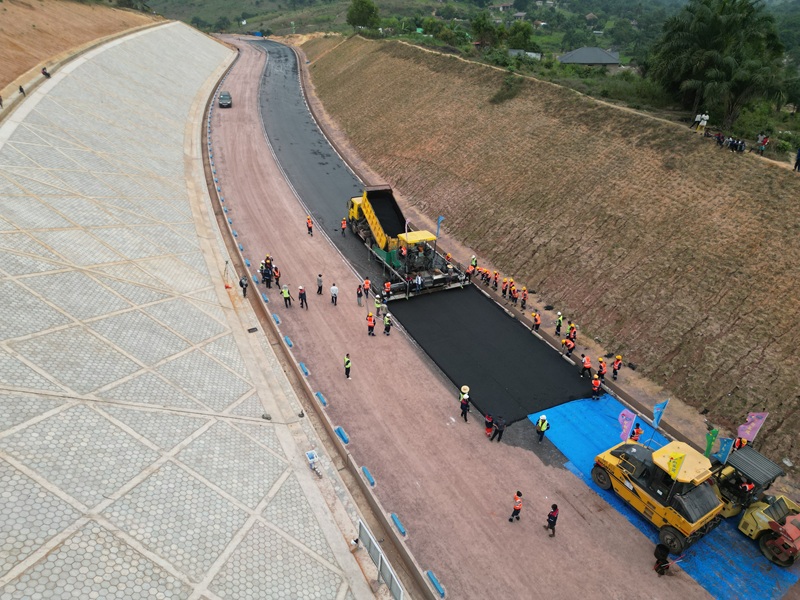
- A near absence of industrial investment: Russian FDI in Africa accounts for less than 1% of all incoming foreign investment. While partners like China and the EU fund large-scale infrastructure projects, Russia’s financial flows are almost exclusively tied to securing mining concessions and security contracts.
This pattern reveals a transactional relationship: Africa buys energy and food staples to meet immediate needs, while Russia secures access to mineral rents without contributing to local industrial ecosystems. The continent gains short-term supply relief; Moscow gains long-term resource control—with little added value for African workers or economies.
When economic weakness fuels resource extraction: the hidden costs of Russian deals
Lacking the capital or expertise to compete in industrial development, Russia has turned instead to a model of extraction-driven engagement. In several Sub-Saharan and Sahelian states aligned with Moscow, agreements often prioritize access to strategic minerals and energy in exchange for military or political backing. The consequences are becoming clear:
- Intensive mining of precious reserves: Precious metal and uranium extraction is frequently managed through opaque corporate structures, shielding profits from public oversight and limiting local fiscal gains.
- Circumvention of formal economic systems: Financial flows from extractive activities often bypass national treasuries, reducing tax revenues needed for public services such as education, healthcare, and infrastructure.
- Unilateral rent extraction: While agreements may stabilize certain governments, they rarely include clauses for local processing of raw materials—meaning wealth leaves the country in its raw form, without creating downstream jobs or industries.
This extractive logic deepens a familiar paradox across the continent: countries rich in natural wealth yet burdened by widespread poverty. Citizens benefit little from their own resources when external actors control extraction chains and repatriate profits.
From abundance to deprivation: why Africa’s resource wealth isn’t translating into prosperity
The story is familiar across resource-rich African nations: vast mineral deposits, fertile land, and energy reserves lie beneath the soil, yet most citizens live with poverty, weak infrastructure, and limited economic opportunity. When external partners prioritize extraction over transformation, development stalls—and so does shared prosperity.
In countries where Russian-backed companies operate, mining revenues often flow directly to foreign accounts or politically connected elites. Meanwhile, local communities see little return—no new factories, no vocational training, no improved public services. The result? A cycle of dependency disguised as partnership.
This dynamic is not sustainable. As African voices grow louder in demanding fairer terms, the pressure mounts on all foreign actors—including Russia—to move beyond rhetoric and toward genuine economic cooperation.
Path to balanced partnership: what Africa must demand now
For Africa to turn its resource wealth into sustainable growth, the terms of engagement with external partners must change. A truly beneficial relationship goes beyond short-term concessions or military support. It requires:
- Transparency in contracts and revenue flows: Open bidding, public disclosure of terms, and independent audits to ensure profits are reinvested domestically.
- Local processing and industrialization: Raw materials must be refined and manufactured within Africa, creating jobs and diversifying economies beyond raw exports.
- Skill and technology transfer: Partnerships should include training programs, technology sharing, and joint ventures that empower African workers and entrepreneurs.
- Balanced alliances, not new dependencies: Diversifying partners is wise—but must not replace one form of exploitation with another. True sovereignty comes from choices, not coercion.
The question facing African leaders is not whether to engage with Russia, but how. Without a shift toward equitable, development-focused agreements, even well-intentioned diplomacy risks becoming just another chapter in the continent’s long history of extractive partnerships.