The ambitious Sino-Congolese programme, a landmark initiative for infrastructure development in Democratic Republic of the Congo (DRC), is facing severe setbacks due to prolonged customs clearance issues. Despite strong financial and institutional backing, the delay in releasing critical construction materials and equipment is directly impacting project timelines across the country.
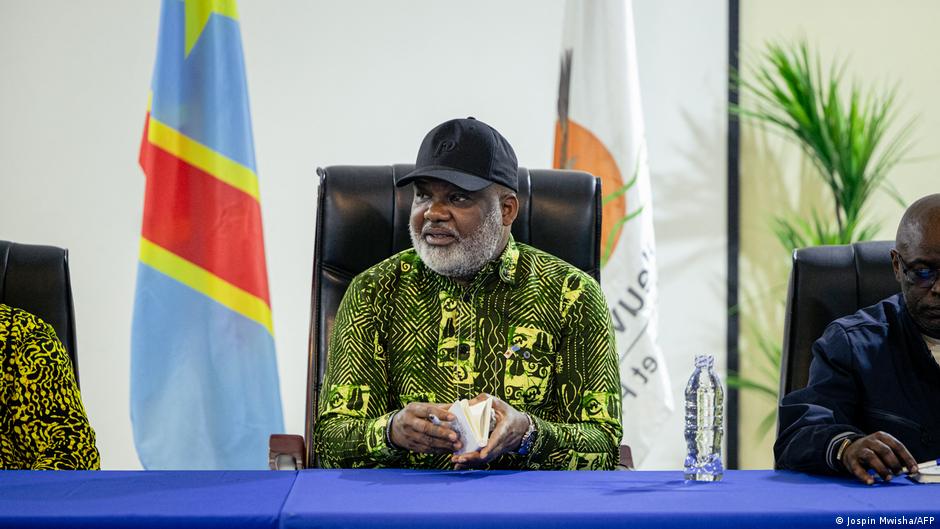
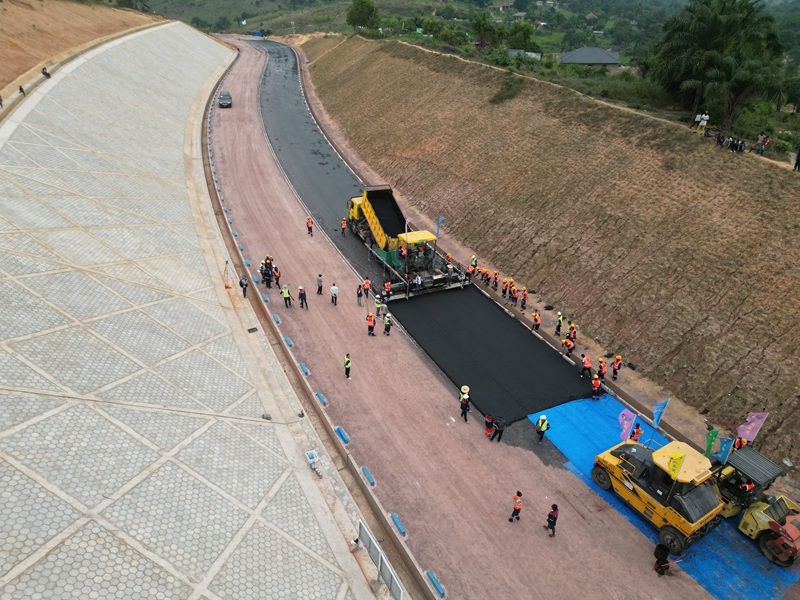
During a recent infrastructure caravan meeting with the Minister of Infrastructure, John Banza, the Director-General of the Congolese Agency for Major Works (ACGT), Nico Nzau Nzau, highlighted the gravity of the situation. He revealed that road surfacing work on multiple infrastructure projects had already commenced were it not for the six-month blockade at the Matadi customs of a substantial shipment of bitumen imported by SISC SA. This delay persists despite the project’s exemption from customs duties under existing agreements.
Without immediate intervention from all stakeholders—particularly the Project Coordination and Monitoring Agency (APCSC)—there is a looming risk of significant slowdowns or even complete halts in construction activities. Urgent coordination is essential to prevent nationwide repercussions.
Customs bureaucracy undermines legal exemptions
Months of unaddressed requests for customs clearance and management of indirect taxes on imports have left numerous project components in limbo. While the Sino-Congolese programme benefits from tax exemptions outlined in Law No. 14/005 of February 11, 2014, and the Avenant No. 5 to the 2024 Collaboration Agreement, implementation remains stalled. This bureaucratic gridlock threatens to derail the country’s development trajectory.
Infrastructure inspection reveals progress amid setbacks
Since June 19, the Minister of Infrastructure and Public Works has led an inspection caravan across the Grand Bandundu region and other provinces to assess project progress. While many initiatives funded by SICOMINES show commendable advancement—such as the Kikwit General Referral Hospital, where 17 new buildings are under construction and 11 are being modernized—the scaling up of capacity from 150 to 650 beds and morgue expansion from 9 to 90 units stands out—customs delays threaten to undermine these gains.
The arrival of the dry season, typically a period conducive to accelerated construction, is now exacerbating delays. Key projects at risk include:
- South-East and South-West Ring Roads of Kinshasa
- Manterne – Tshela – Singini road
- Kananga – Kalamba Mbuji road
- RN1 Mbujimayi – Nguba segment
- Idiofa Stadium
- Kikwit General Referral Hospital
The blockage at Matadi Port has left approximately 1,477 tons of bitumen—destined for Kinshasa ring roads, the Matadi-Tshela-Singini project, and the Kananga-Kalamba Mbuji road—stranded since January 2026. Additionally, 1,650 tons of bitumen for the rehabilitation of RN1 (Mbujimayi – Nguba segment) remain immobilized in Katanga. Heavy machinery, including concrete plant equipment for the Idiofa Stadium, spare parts, and other essential materials, continue to languish at customs checkpoints, preventing deployment to project sites.
Time and resources are slipping away. The inability to deploy critical materials not only jeopardizes project completion but also denies the population access to modern infrastructure, undermining national development goals.
Call for decisive action
The APCSC, serving as the central interface between stakeholders, must prioritize resolving customs clearance issues to avert a full-scale crisis. With the dry season in full swing, the window for timely project completion is narrowing. The Minister has stressed that without urgent intervention, the entire country will suffer the consequences of delayed infrastructure delivery.