After fifteen months of frozen ties, Bamako and Algiers restore full diplomatic relations
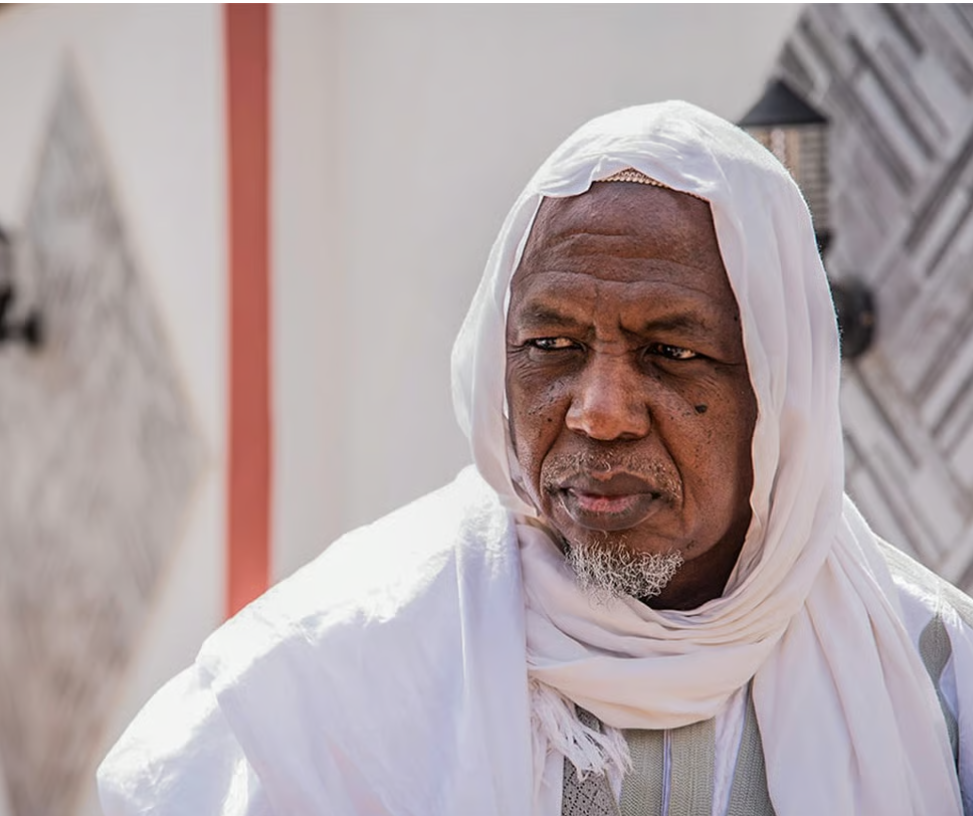
In a historic turn, Mali and Algeria have officially restored their diplomatic ties, ending a fifteen-month standoff that had left the region searching for stability. The resumption of ambassadorial exchanges and the reopening of airspace mark a strategic shift in the Sahel’s geopolitical landscape. At the heart of this unfolding chapter stands Mahmoud Dicko, Mali’s influential religious leader currently in exile in Algeria. His future now hangs in the balance as the two nations navigate this delicate thaw.
What sparked the rupture?
The roots of the crisis trace back to late 2023, when tensions flared over claims of Algerian interference in Mali’s internal affairs. Accusations centered on meetings held in Algiers between government officials and Tuareg rebel factions operating in northern Mali—without Bamako’s consent. The final blow came when Mali unilaterally withdrew from the 2015 Algiers Peace Accord, a move Algiers viewed as a direct challenge to its regional mediation efforts. The rupture led to the mutual recall of ambassadors and the shutdown of air travel, leaving a security vacuum that threatened to destabilize the wider Sahel-Saharan belt.
How the thaw unfolded: steps toward reconciliation
Recognizing that prolonged confrontation would serve neither nation’s interests, both sides engaged in discreet diplomatic outreach to rebuild trust. The process began with confidence-building measures that culminated in concrete actions:
- Ambassadors return home: Diplomatic missions in Bamako and Algiers were restored, reopening a vital channel for crisis management and regional coordination.
- Airspace reopens: Commercial and military flights resumed, signaling a renewed flow of trade, aid, and security cooperation across the 1,300-kilometer border.
- Security collaboration resumes: Intelligence sharing and joint counter-terrorism efforts are back on track, crucial for addressing the persistent jihadist threat in the Sahel.
This diplomatic reset underscores the region’s capacity for pragmatic collaboration, even amid deep political divides.
Mahmoud Dicko’s pivotal moment: can he bridge Mali’s divides?
As Mali searches for a path back to constitutional order and civilian rule, the return of Mahmoud Dicko from exile emerges as a pivotal issue. Far from being just an opposition figure, Dicko is widely seen as a unifying voice—a moral authority capable of fostering dialogue across Mali’s diverse political and ethnic spectrums.
His influence was evident during the 2020 mass protests that led to the resignation of then-President Ibrahim Boubacar Keïta. Dicko consistently advocated for inclusive governance and a peaceful transition to civilian rule. In a nation still grappling with fragmentation and insecurity, his ability to mobilize public opinion could prove decisive in legitimizing a future democratic transition.
Yet his presence in Algeria now places him at the nexus of two strategic agendas: Bamako’s push for stability and Algiers’ renewed role as a regional stabilizer. How this equation unfolds could redefine Mali’s political trajectory.
A chance for peace: could Dicko become a mediator?
The timing of the diplomatic thaw raises a critical question: under what conditions could Mahmoud Dicko return to Mali? While Bamako may seek to limit his political activities in Algeria to avoid renewed friction, Algiers holds a unique opportunity. By facilitating a structured dialogue between Dicko and Mali’s transitional authorities, Algeria could position itself as a catalyst for national reconciliation.
A safe, dignified return for Dicko—not as an adversary, but as a peacebuilder—could send a powerful signal across Mali. It would signal a nation moving beyond polarization toward inclusive dialogue and democratic renewal.
Diplomacy as a driver of democratic hope
The restoration of Mali-Algeria relations is more than a bilateral achievement; it is a regional breakthrough. By closing the chapter of hostility, both nations have reaffirmed a shared truth: cooperation is the only viable path forward in the face of shared threats.
In this new chapter, Mahmoud Dicko is not an obstacle—he is an asset. His moral standing and unwavering commitment to civilian rule present an opportunity: to turn diplomatic normalization into a catalyst for peace, stability, and democratic renewal in Mali.