Burkina Faso’s bold plan to construct a 15,000-seat stadium in Koudougou is gaining momentum, but a single question continues to overshadow the project’s promise: who will actually pick up the tab? Announced under the presidential initiative for sporting excellence (ip-relis), the new venue aims to elevate the country’s sports infrastructure and nurture young talent. Yet, despite repeated assurances of imminent work, the public remains in the dark about the project’s budget, the source of funds, and whether foreign partners are involved.
Why the stadium sparks debate before ground is even broken
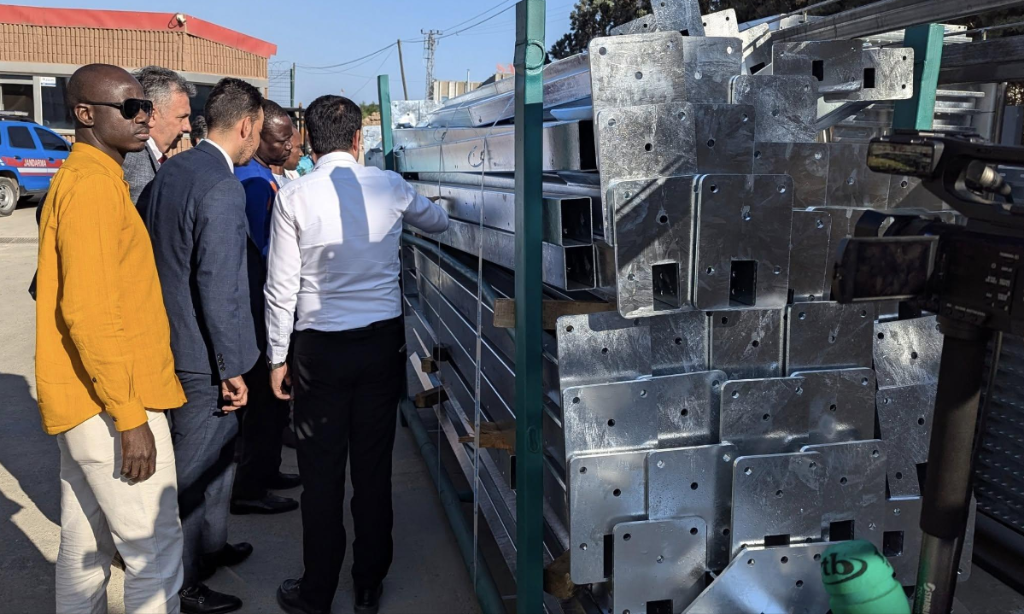
Koudougou’s upcoming stadium is positioned as a cornerstone of Burkina Faso’s sporting future. City leaders and national authorities have hailed its potential to host major competitions and inspire local athletes. Local media coverage has featured high-profile visits to the construction site, reinforcing the sense of urgency surrounding the project. Still, concrete details about financing lag far behind architectural ambitions.
At the heart of the uncertainty is a simple but critical query: is this stadium being bankrolled by Burkinabè taxpayers alone, or will international lenders, private investors, or bilateral partners share the financial burden? Without open access to project contracts, budget lines, or official statements, citizens have no reliable way to assess the true cost or the fairness of the arrangement.
Integral Sport takes the lead in execution, but funding remains a mystery
The Turkish construction firm Integral Sport has been named as the lead contractor for the Koudougou project, working in tandem with Burkina Faso’s Faso Mêbo agency. This same partnership is also behind the 15,000-seat stadium under construction in Bobo-Dioulasso, another marquee venue for the country’s sporting calendar.
While Integral Sport’s role in building the stadium is clear, its role in financing is not. A foreign company can be awarded a construction contract without shouldering the full financial risk. The funds may come from state coffers, a syndicated loan, or a blend of public and international sources. Until official documents are released, no one can definitively say whether Ankara, a development bank, or a private consortium is ultimately underwriting the venture.
Key questions the company’s contract must answer
- Is the stadium financed through a public procurement tender backed by Burkina Faso’s national budget?
- Does the contract include provisions for international financing, such as export credits or soft loans?
- Has Faso Mêbo committed its own resources—financial, material, or human—to the project?
Is Faso Mêbo putting its own money on the line?
The Faso Mêbo agency has been designated to collaborate on the stadium’s realization, aligning it with the presidential initiative for sporting excellence. Yet operational collaboration does not equate to financial commitment. The agency could be involved in land acquisition, workforce training, or project management without contributing a single franc to the construction bill. To verify any financial outlay, observers would need to consult Faso Mêbo’s internal budgets, inter-agency agreements, or the signed contract with Integral Sport. To date, none of these documents have been made available.
The transparency test: what Burkinabè citizens deserve to know
Transparent disclosure of financial data is the bedrock of public trust in government projects. Citizens need to see not only the final price tag but also a clear breakdown of who is paying and why. For Koudougou’s stadium, the following details should be published without delay:
- The estimated total cost and any revisions since the initial announcement
- The exact funding source—national budget allocation, international loan, public-private partnership, or other means
- The tendering process used to select Integral Sport and Faso Mêbo
- The schedule for disbursing funds and milestones for project delivery
If foreign partners are involved, their identities and the nature of their contributions should be disclosed. If funding is entirely domestic, the government should reveal the budget line items and withdrawal mechanisms so taxpayers can trace every franc committed.
Where the buck stops: who must speak up next
The onus now falls on the key stakeholders to lift the veil on the project’s finances. The Ministry of Sports, the IP-RELIS leadership, Faso Mêbo’s executive team, and Integral Sport’s local representatives must provide verifiable answers to the following:
- Has the construction contract been formally signed, and what is the agreed price?
- Was the contract procured through an open, competitive tender?
- Is there an official financing agreement in place with any external entity?
- Are disbursements already under way, and how will they be audited?
Without these clarifications, the stadium risks becoming a symbol of opaque spending rather than a beacon of sporting progress. Citizens deserve clarity before construction cranes begin to rise.
Can the stadium dream survive financial uncertainty?
The allure of a 15,000-seat stadium for Koudougou is undeniable. It promises to energize local talent, attract regional tournaments, and leave a lasting legacy. Yet the dream hinges on more than blueprints and timelines. It depends on a financing plan that is transparent, accountable, and acceptable to the people who will ultimately foot the bill—whether directly or indirectly.
As the weeks tick by with no official cost breakdown in sight, one conclusion is inescapable: the project’s credibility rests on answers the authorities have yet to give. Until those answers arrive, the question of who will pay for Burkina Faso’s next sporting landmark remains wide open.