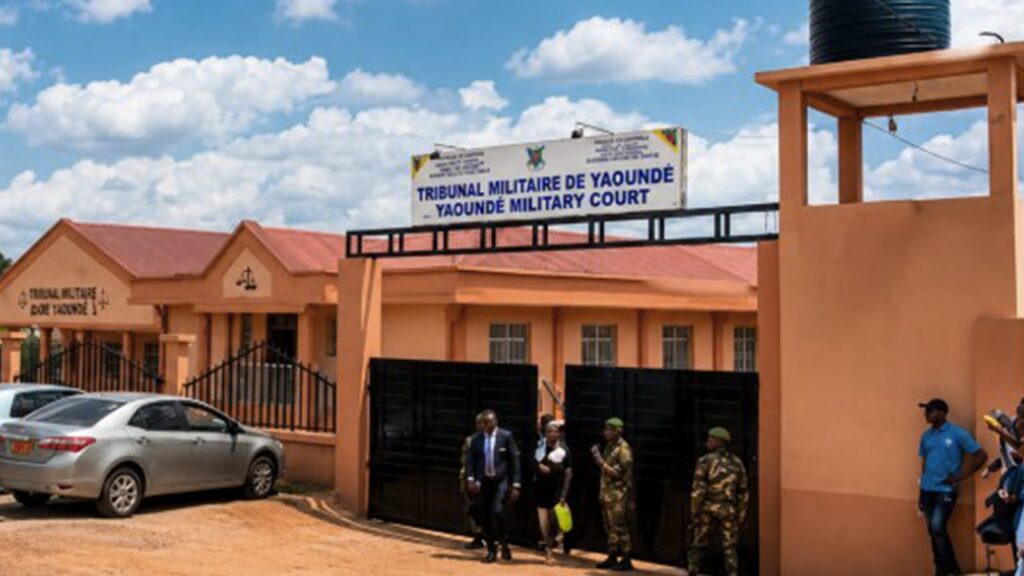
Testimony of Colonel Otoulou: a pivotal moment in the Niger investigation
The recent hearings in the Martinez Zogo case took an unexpected turn when Colonel Otoulou took the stand, revealing sharp exchanges that have cast new light on the ongoing inquiry. His testimony, marked by intense questioning, has become a focal point in the investigation, raising questions about the integrity of the process and the roles of key figures involved.
The proceedings have drawn significant attention, with observers noting the colonel’s assertive responses to probing questions. His statements have not only intensified the scrutiny on the case but also highlighted the complexities surrounding the investigation into the journalist’s disappearance.
Key revelations from the colonel’s testimony
During his appearance, Colonel Otoulou provided detailed accounts that challenged earlier narratives, sparking sharp confrontations with prosecutors. His testimony included:
- Unprecedented disclosures about internal communications that suggest deeper involvement by certain officials in the events leading to Martinez Zogo’s fate.
- Direct contradictions to previous testimonies, raising doubts about the credibility of earlier statements made by other witnesses.
- Accusations of obstruction within the investigation, pointing to attempts to suppress critical evidence that could implicate high-ranking personnel.
These revelations have sent shockwaves through the legal community, compelling authorities to re-examine the case with renewed urgency.
Legal and political implications of the hearings
The colonel’s testimony has not only intensified the legal battle but also raised political stakes. As the inquiry progresses, the following issues have come to the forefront:
- Calls for transparency: Opposition leaders and civil society groups are demanding full disclosure of all findings, citing concerns over potential cover-ups.
- Demands for accountability: There is growing pressure on judicial authorities to hold accountable those responsible for any wrongdoing uncovered during the hearings.
- Public trust in institutions: The revelations have eroded confidence in state institutions, with many questioning the commitment to justice and rule of law.
The outcome of these hearings could redefine the trajectory of the Martinez Zogo case, with far-reaching consequences for Niger’s legal and political landscape.

What’s next for the Martinez Zogo investigation?
The dramatic testimony from Colonel Otoulou has set the stage for further developments in the case. Legal experts anticipate that the next phase will focus on verifying the credibility of his claims and cross-referencing them with existing evidence. The following steps are expected:
- Further witness testimonies: Additional individuals linked to the case may be called to provide clarifications or counter the colonel’s assertions.
- Forensic examinations: A deeper analysis of documents, communications, and other evidence to determine their authenticity and relevance.
- Judicial decisions: The court may issue rulings on the admissibility of new evidence or the arrest of individuals implicated by the colonel’s testimony.
The coming weeks will be critical in determining whether the Martinez Zogo case will finally unravel the truth behind the journalist’s disappearance, or if more obstacles lie ahead.
You may also like
Can Napoli halt the Arsenal machine in their Champions League opener?
Arsenal vs Chelsea: Premier League derby time and TV channel
Juventus vs AC Milan preview: Serie A clash at the Allianz Stadium
Linz ASK – Celtic Glasgow, Ligue des champions, match en direct le 25/08/2026
security crisis in Burkina Faso: assessing the impact of jinim attacks and state response