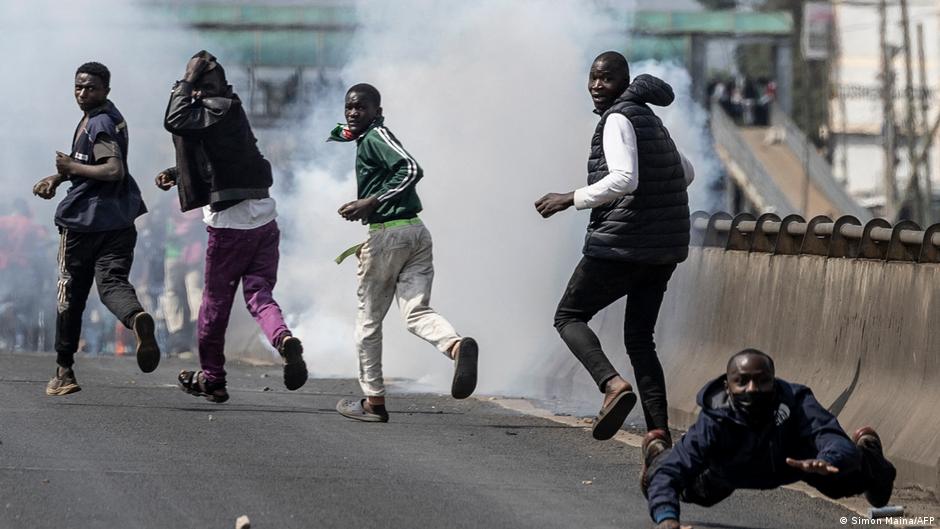
Democracy under pressure in West Africa
West Africa’s democratic landscape is marked by sharp contrasts. While some countries strengthen their democratic institutions, others face severe setbacks in political freedoms. The region is experiencing heightened tensions, with military coups, authoritarian trends, and political restrictions undermining democratic progress in certain areas. Yet, public demand for democracy, civic engagement, and peaceful transitions of power demonstrate that democratic aspirations remain strong. This dynamic creates a complex political environment where democratic decline and consolidation coexist.
Recent analyses highlight a troubling trend of democratic erosion across the continent. Key challenges include:
- The rise and entrenchment of military governance in the Sahel, particularly in Niger, Burkina Faso, and Mali.
- Delays or disputes surrounding electoral processes in several countries.
- Constraints imposed on opposition groups, media outlets, and civil society organizations.
- Constitutional revisions enabling leaders to extend their time in power.
Although elections continue to be held in many states, concerns about their fairness and credibility persist. Observers note that while some ballots are conducted transparently, others are marred by irregularities or lack genuine competition.
Signs of democratic resilience
Despite these setbacks, not all is bleak. Several West African nations maintain robust democratic traditions. Senegal, Cape Verde, Botswana, the Seychelles, and Ghana stand out as examples of political pluralism and peaceful transitions. Recent elections in these countries have shown that citizens can hold governments accountable through the ballot box.
Public opinion data, including findings from Afrobarometer, reveals that Africans remain deeply committed to democratic principles. Citizens continue to demand greater transparency, accountability, and civic participation from their leaders. This ongoing engagement underscores the vitality of democratic values across the continent.
The power of youth activism
Young people are playing an increasingly pivotal role in shaping West Africa’s democratic future. In many countries, youth movements are advocating for:
- Stricter electoral oversight to ensure fairness.
- Anti-corruption measures and stronger governance.
- Economic and social opportunities for all citizens.
Key priorities for the coming years
- Restoring constitutional order in nations governed by military regimes.
- Ensuring the independence of electoral and judicial institutions.
- Enforcing presidential term limits and upholding constitutional frameworks.
- Safeguarding public freedoms, including press freedom, opposition rights, and civil society activities.
- Addressing socio-economic challenges, particularly those affecting young populations.
To delve deeper into these issues, the discussion featured three prominent voices:
- Tolojanahary Ndrasana from Transparency International
- Abdou Coly from CorpsAfrica Senegal
- Aissatou Ndeye Camara from the Friedrich-Ebert-Stiftung Foundation in Dakar