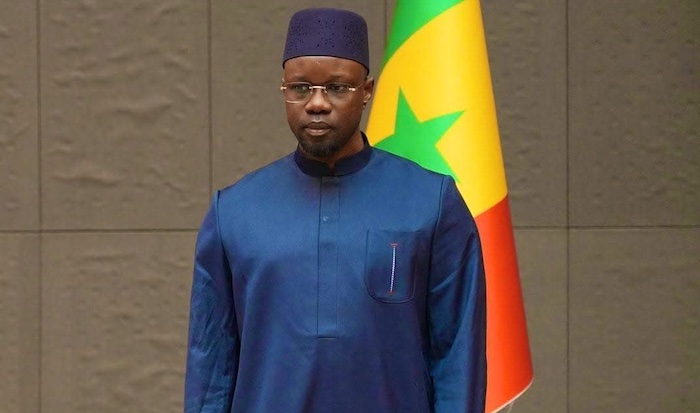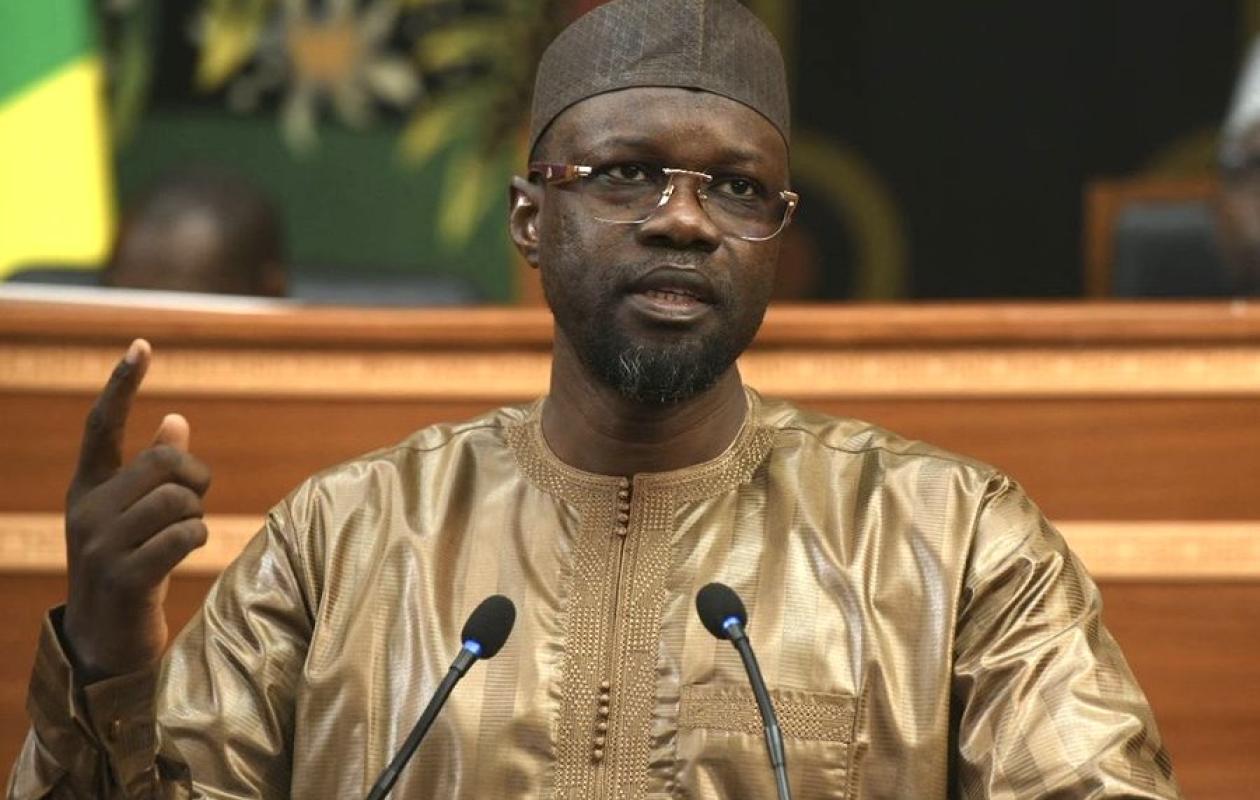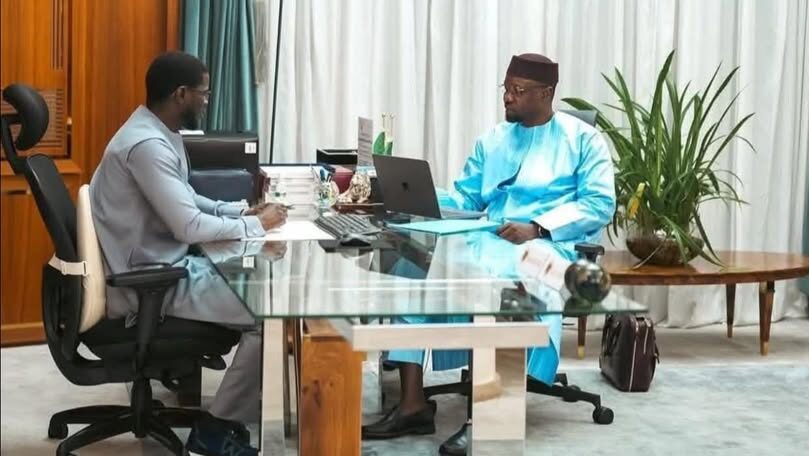
President Bassirou Diomaye Faye’s firm directives to prime minister Ousmane Sonko
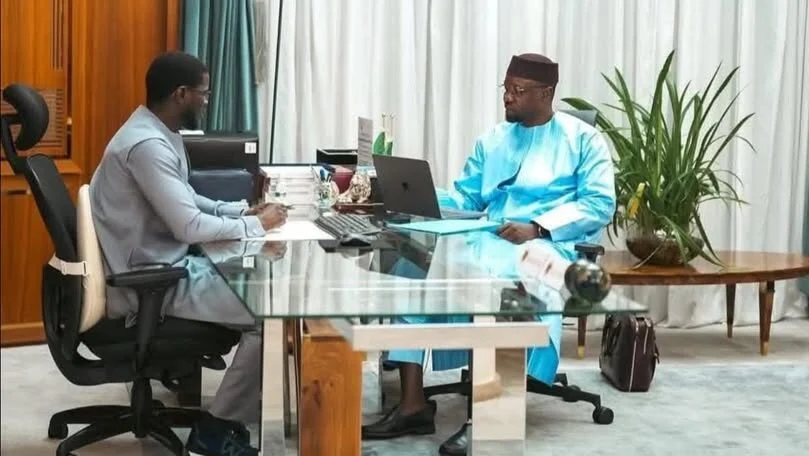
During the Council of Ministers meeting on Wednesday, May 20, 2026, President Bassirou Diomaye Faye issued a series of decisive instructions to the government led by Prime Minister Ousmane Sonko. The head of state outlined a clear roadmap for the executive, emphasizing accountability and results across critical areas including national dialogue, public performance monitoring, civil status management, and ensuring access to water for all citizens.
Commencing his address, President Faye revisited the National Dialogue Day initially scheduled for May 28. Acknowledging the prevailing religious context, he decided to replace large-scale public consultations with individual audiences involving various influential figures from across the nation.
“Starting tomorrow, I will be meeting with former Prime Ministers and ex-ministers, particularly those who previously oversaw finance and internal security portfolios,” the President announced. He further clarified that other national personalities and representatives of vital societal forces would be consulted in a subsequent phase. Through this refined approach, Bassirou Diomaye Faye aims to solidify consensus around national priorities and engage a broader spectrum of stakeholders in deliberations concerning Senegal’s economic, social, security, and political landscape.
The President also placed significant emphasis on the diligent oversight of governmental actions, a directive directly impacting Prime Minister Ousmane Sonko and his cabinet. He stated, “The effective implementation of the National Transformation Agenda necessitates a systematic evaluation of public policies and close monitoring of government work.”
In line with this dynamic, President Faye announced a reform in how the Council of Ministers operates. “The Council of Ministers will convene every other week for a defined period, to strengthen the culture of evaluating the impacts of government actions,” he affirmed. This clearly signals President Bassirou Diomaye Faye’s instruction for the executive to cultivate a robust culture of accountability and performance.
“Every member of the Government must undertake the evaluation of general directors and directors of entities under their responsibility, oversight, or control,” he mandated. The President extended this rigorous control framework to territorial and diplomatic administrations. He instructed the Minister of Interior to assess the performance of administrative district heads and directed the Minister of Foreign Affairs to monitor the effectiveness of diplomatic and consular mission chiefs.
Regarding local authorities, he tasked the relevant ministry with collaborating with concerned actors to devise “an appropriate mechanism for evaluating mayors and presidents of departmental councils.” On budgetary and administrative fronts, the head of state commended the completion of the third ministerial sphere in Diamniadio, which is envisioned as a key instrument for rationalizing public expenditures.
He further urged the acceleration of several strategic dossiers. “It is imperative to finalize the validation phase of the 2026-2028 multi-year budget and economic programming document, optimize the timeline for public procurement, and meticulously prepare budgetary conferences,” he demanded.
The critical issue of civil status was also highlighted during this Council of Ministers meeting. Addressing identified deficiencies within the current system, Bassirou Diomaye Faye set a precise timeline. He instructed the minister responsible for Territorial Collectivities that “an Emergency Plan for Strengthening Civil Status Management must be presented before the end of June 2026.”
The President underscored the necessity for comprehensive reform. “It is paramount to accelerate the full digitalization of civil status records, ensure the reliability of documents, and guarantee adequate and secure preservation of registers and archives,” he emphasized. Following this, national consultations are slated to be organized before the end of August 2026 to enhance governance in this sector.
Access to potable water also garnered the head of state’s attention. Observing persistent challenges in several areas, notably Touba, Kaffrine, Louga, and Keur Massar, he called for immediate interventions. “All urgent measures must be implemented to significantly improve population access to water,” he stressed to the Minister of Hydraulics, in coordination with SONES, OFOR, and SEN’EAU.
With the 2026 World Cup just weeks away, Bassirou Diomaye Faye concluded by conveying a message of unwavering support to the Lions of Senegal. “On behalf of the Nation, I extend a message of mobilization, encouragement, and support to the Lions,” he declared, while instructing the Ministry of Sports and the Senegalese Football Federation to take “all appropriate complementary measures” to ensure Senegal’s successful participation in the global tournament.