
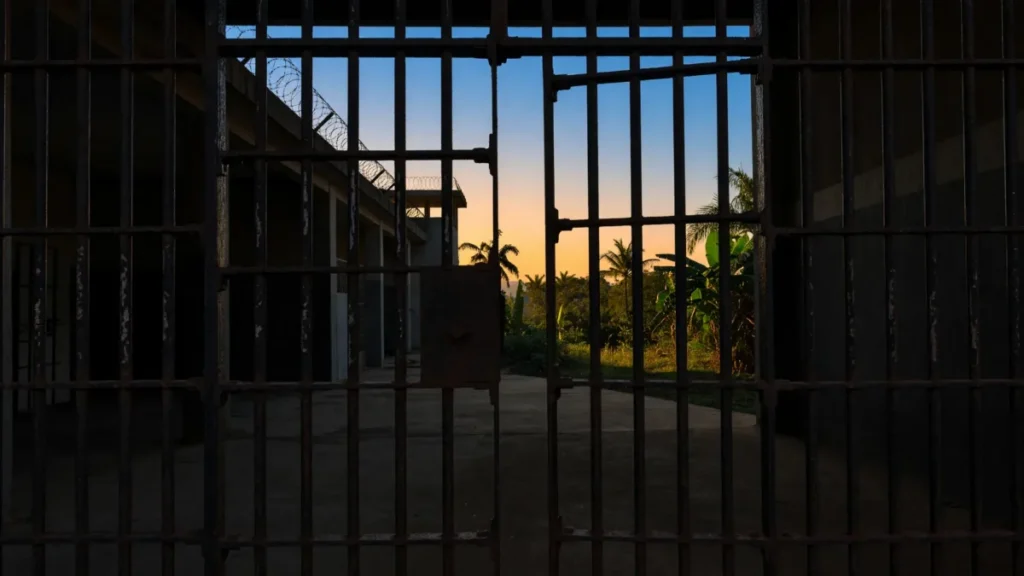
Nine months after their arrest during a tense presidential race, six local leaders of Côte d’Ivoire’s opposition PDCI-RDA party regained their freedom this week. The chamber specializing in anti-terrorism matters in Abidjan ordered their release following a prolonged judicial review, as confirmed by defense attorney Me Ange Rodrigue Dadjé.
Arrests during a heated electoral period
The six activists—Allo Pacôme Didier, Kouleon Manhenin, N’Cho Gnangoran, Mabo Koffi Jean-Marc, Ouattara Kinjinlman and Niangoran N’Guessan Édouard—were taken into custody between late September and early October 2025. The period coincided with the intense campaigning for the presidential vote, a contest that deepened divisions between government forces and opposition groups.
Charges included allegations of plotting against the state and plotting insurrection, though the party vehemently denied any wrongdoing. PDCI officials at the time described the detentions as unlawful and demanded the immediate release of their members. Authorities countered that prosecutions followed standard legal procedures and were not politically motivated.
Broader pattern of opposition releases
The release of these six figures follows a recent wave of discharges involving other opposition personalities, including Moïse Lida Kouassi and Ibrahim Zigui. Such developments have sparked debate over whether Ivory Coast is entering a new phase of political détente following a particularly fractious electoral cycle.
While no official statement has been issued by the Ivorian government, authorities continue to frame these proceedings as judicial rather than political. Observers, however, are watching closely for signs of a wider shift in how the country handles dissent ahead of upcoming local and legislative ballots.
Political climate and regional tensions
Côte d’Ivoire, the leading economy in the West African monetary union, remains under international scrutiny due to its history of post-election strife, most notably the 2010–2011 crisis. Electoral contests have repeatedly triggered unrest, as seen in 2020 when deadly violence erupted and opposition figures were detained.
The PDCI-RDA, founded by the nation’s first president Félix Houphouët-Boigny and once the dominant force in Ivorian politics, now sits in opposition after President Alassane Ouattara’s controversial third-term victory in 2020. Questions about democratic space and the possibility of genuine alternation in power continue to dominate political discourse.
Legal outcomes and next steps
Attorney Me Ange Rodrigue Dadjé welcomed the chamber’s decision but did not clarify whether the release signaled a dismissal of charges, a provisional measure, or another procedural outcome. The country’s main news outlets have reported the development without detailing further judicial steps.
PDCI leaders have yet to issue an official response. The six released officials, many of whom held territorial coordination roles within the party, are expected to resume their activism in the coming days. Whether this decision marks the beginning of broader concessions or remains an isolated case remains to be seen.
You may also like
-
Côte d’Ivoire six PDCI leaders freed after nine months in custody
-
Ivorian private sector drives economic growth plan for 2026
-
Central african republic security: detained activist accused of rebel ties
-
Emmanuelle Blatmann to lead France’s diplomatic mission in Dakar
-
Digital innovation driving ivory coast education transformation