Burkina Faso’s military leader dismisses democracy as unsuitable for the nation

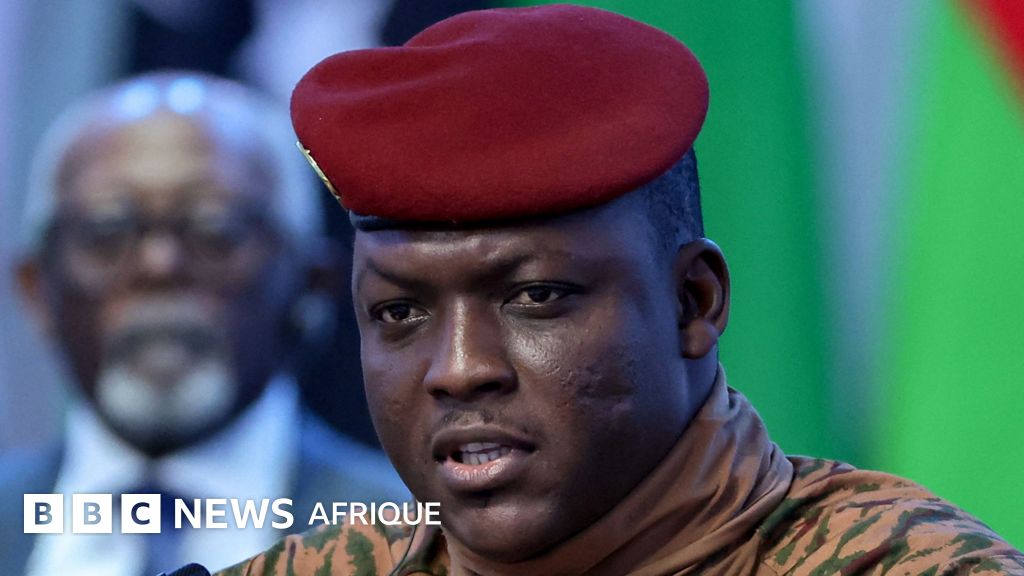
Ouagadougou — Burkina Faso’s military leader, Captain Ibrahim Traoré, has publicly declared that democracy is not suited for the nation, urging citizens to abandon the concept during a state television interview.
In his remarks, Traoré argued that democratic systems had brought no benefits to the country and suggested that Burkina Faso’s future lay in a distinctly different model, one he framed as a revolutionary path toward sovereignty and unity.
« People must forget about democracy. It is not for us, » the 38-year-old leader stated, emphasizing that Burkina Faso would forge its own system, free from external influence. « We have our own approach. We are not even trying to copy anyone. We are here to completely change how things are done. »
His comments come amid growing controversy over the junta’s decision to extend its rule by five years, a move announced just two months before the previously promised return to civilian governance in July 2024. The announcement followed a ban on all political parties in January, as part of what authorities described as a plan to « rebuild the state. »
Rejection of Western Models and Cautionary Examples
Traoré, who presents himself as a revolutionary leader opposing Western imperialism, invoked the example of Libya to justify his stance. He pointed to the country’s post-2011 instability as evidence of the dangers of foreign-imposed democratic transitions, despite Libya’s decades of development under Muammar Gaddafi’s rule, which included free healthcare and education.
« Look at Libya—it’s a close example for us, » Traoré remarked. « Wherever Western powers have tried to impose democracy, it has led to bloodshed. » He further claimed that most Africans do not genuinely desire democratic governance, though he did not elaborate on the alternative system Burkina Faso intends to adopt.
Vision for a New Burkina Faso
Traoré’s proposed system emphasizes sovereignty, patriotism, and revolutionary mobilization, with traditional leaders and grassroots structures playing a central role. He stressed the need for economic and military self-reliance, arguing that shorter workdays—six to eight hours—would not suffice to help Burkina Faso catch up with wealthier nations.
« The truth is that in Africa—at least as we’ve known it in Burkina Faso—a politician is someone who embodies every vice: a liar, a flatterer, a smooth talker, » Traoré asserted. « We are here to break free from these patterns. »
The military leader also defended his government’s crackdown on dissent, targeting opposition figures, media outlets, and civil society groups. Critics have accused his administration of silencing opponents by dispatching them to frontline positions in the fight against Islamist militants.
Regional Shifts and Ongoing Violence
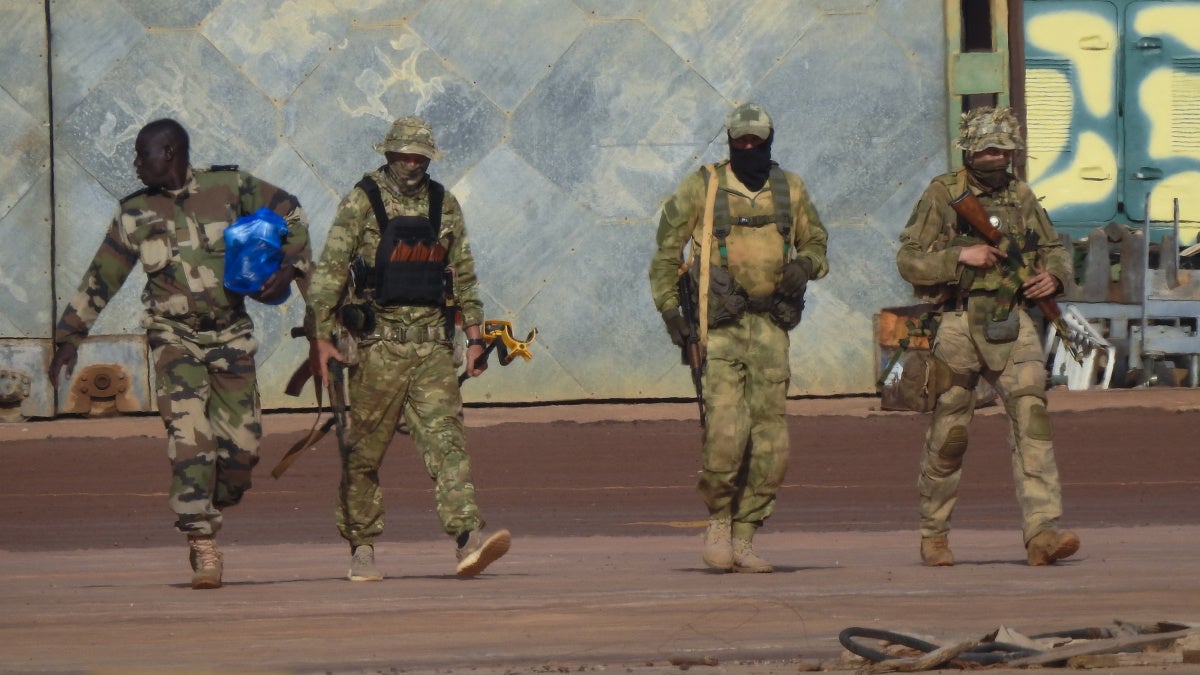
Traoré’s administration has aligned Burkina Faso with neighboring military-led governments in Mali and the Niger, all of which have severed ties with Western partners—particularly France—in favor of closer cooperation with Russia for military support. Despite this pivot, the insurgency led by Islamist militants continues unabated across the Sahel region.
Human rights organizations have raised concerns about escalating civilian casualties. According to a recent report by Human Rights Watch, over 1,800 civilians have been killed in Burkina Faso since Traoré’s 2023 coup, with approximately two-thirds of the deaths attributed to state forces and allied militias. The remaining casualties resulted from attacks by militant groups.
The junta’s uncompromising stance, combined with its growing appeal among panafricanist movements, has solidified Traoré’s reputation as a vocal critic of Western influence. However, the humanitarian toll of the conflict and the suppression of political freedoms continue to spark debate over the true cost of Burkina Faso’s revolutionary path.