key facts
- 59 fatalities: death toll from floods in Ivory Coast since mid-may 2026, including over 20 in Attécoubé
- 5 targeted zones: Nématoulaye, Djéné écaré, Santé 3, Cité Fairmont and Attécoubé 3
- timeline: operation launched on july 13, 2026, with heavy machinery deployed until july 24
- evacuation notice: written order delivered to residents on july 10
municipal cleanup campaign kicks off
Attécoubé’s local government initiated a sweeping demolition campaign on july 13, 2026, targeting homes built on hazardous terrain in response to recent flood disasters. The move aims to curb unregulated urban expansion and mitigate future risks during the rainy season.
Residents received formal evacuation notices on july 10, granting a three-day window before demolition teams moved in. Initial operations focused on minor demolitions and roof removals in the affected neighborhoods.
five neighborhoods face systematic clearance
The municipal operation targets five specific areas within Attécoubé: Nématoulaye, Djéné écaré, Santé 3, Cité Fairmont and Attécoubé 3. Heavy machinery is scheduled to systematically demolish structures in these zones, with work continuing until july 24.
The demolition phase began with lighter interventions on july 13 and 14, including the dismantling of unstable structures in Cité Fairmont.
response to deadly flooding crisis
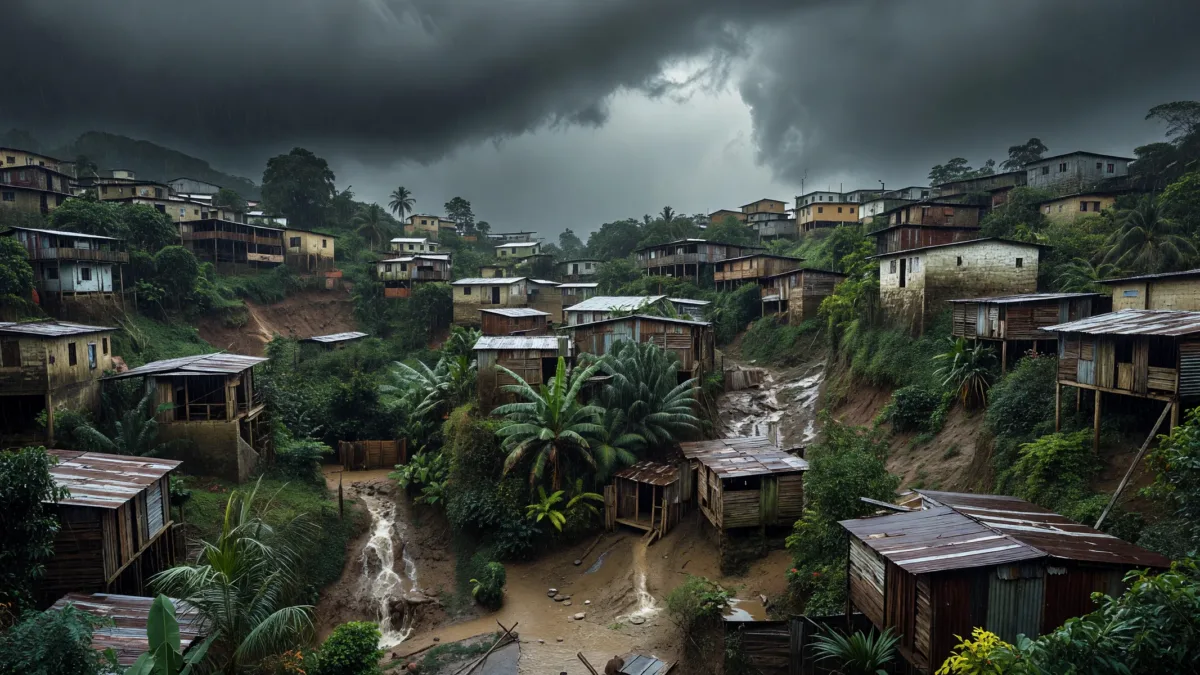
This municipal action follows catastrophic flooding that claimed over 20 lives in Attécoubé alone, part of a national death toll exceeding 59 since mid-may 2026. The disasters exposed the vulnerability of homes constructed on steep slopes and flood-prone zones, where torrential rains triggered deadly landslides and flash floods in vulnerable communities.
Unregulated housing developments have repeatedly proven hazardous during Ivory Coast’s wet season, prompting authorities to accelerate urban restructuring efforts in high-risk areas.
urban challenges in Abidjan’s most densely populated commune
Attécoubé, one of ten municipalities in Abidjan’s autonomous district, hosts a large population of low-income residents, many living in precarious conditions on unplanned or unserviced land.
The recurring issue of chaotic urbanization and inadequate sanitation in flood-prone neighborhoods remains a pressing public concern in Ivory Coast. Local leaders struggle to balance public safety imperatives with housing rights amid rapid demographic growth and limited resources.
District restructuring committees (CREQ) are collaborating with municipal technical and financial teams to oversee the demolition and resettlement process. These grassroots structures serve as vital intermediaries between authorities and affected communities.
next steps and ongoing support
Demolition work is set to conclude in all five targeted zones by july 24. Authorities are finalizing plans to assist displaced families, though specific measures have yet to be announced. Municipal officials have acknowledged residents’ cooperation in vacating hazardous sites as demolition teams move in.