Burkina Faso has formally withdrawn its diplomatic representation from France by recalling all embassy personnel stationed in Paris. The twelve diplomats, who had been operating in the French capital, have since returned to Ouagadougou, where they were greeted by the Minister of Foreign Affairs, Karamoko Jean-Marie Traoré. This decisive action stems from a growing strain in the bilateral ties between the two nations.
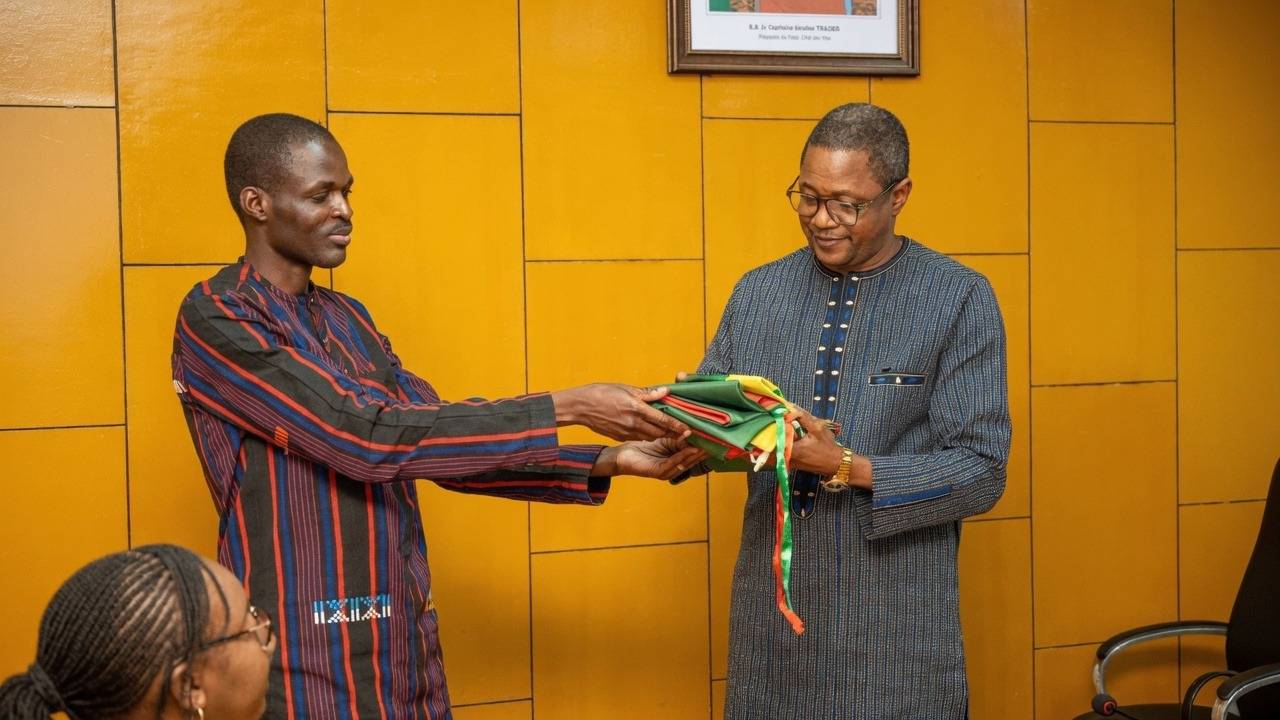
In a symbolic act marking the end of Burkina Faso’s diplomatic footprint in France, the outgoing team handed over the national flag and the embassy’s official keys. The government has categorically denied rumors suggesting that any of the diplomats sought asylum abroad during their departure.
The development follows Burkina Faso’s June 26 decision to completely sever diplomatic relations with France. As a reciprocal measure, French embassy staff in Ouagadougou were ordered to leave the country by early July, enforcing a strict timeline for the Burkinabè diplomatic team to exit French territory.
Ouagadougou justified its decision by alleging repeated and unwarranted French interference in Burkina Faso’s internal affairs. Paris, in response, dismissed the move as unreasonable and inflammatory, expressing concern over the rapid erosion of bilateral relations.
The diplomatic rupture aligns with Burkina Faso’s shifting foreign policy direction since Captain Ibrahim Traoré assumed leadership in September 2022. Under his administration, the country has progressively distanced itself from its former colonial power. A notable example of this shift was the expulsion of French military forces from Burkinabè soil earlier this year.
In parallel, Burkina Faso has been actively cultivating new strategic partnerships with Russia, Turkey, and Iran. These collaborations aim to bolster security measures, diversify trade prospects, and strengthen international alliances.
The closure of Burkina Faso’s embassy in France represents a pivotal moment in the bilateral relationship between the two countries. It highlights the evolving nature of Ouagadougou’s diplomatic strategy and signals the dawn of a new chapter in its foreign relations, the long-term implications of which remain uncertain.