Listen to the articleAbout 1 min
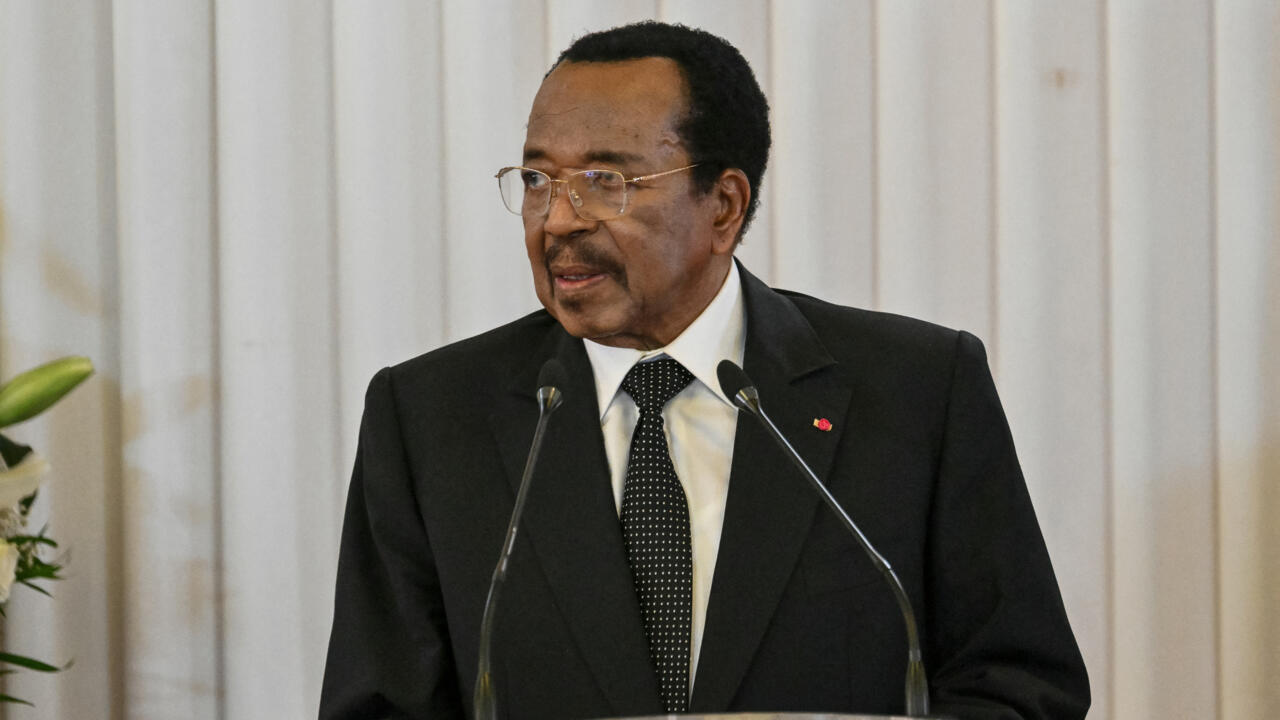
The whereabouts of Cameroon’s President Paul Biya remain a mystery. Since June 7, when the Cameroon Tribune announced his departure for a “brief private stay in Europe,” the 93-year-old leader has not been seen in public. More than 50 days later, the government has provided no updates on his location or expected return date.
Constitutional guidelines in case of prolonged absence
Opposition parties have raised concerns over the prolonged silence, using terms like “power vacuum,” “remote control governance,” or “remote working government.” These phrases reflect growing unease about the continuity of state affairs. But what does Cameroon’s Constitution say about such situations? And could this prolonged absence create obstacles in managing critical national issues?
News feeds (RSS)Get new articles in your favourite feed reader