The arrival of Nick Checker, who leads the Bureau of African Affairs at the US State Department, in Mali this week signals a renewed American engagement in the Sahel. However, the United States is currently undertaking a significant strategic realignment in the region, focusing on three primary pillars: a pivot toward trade-centered diplomacy with an emphasis on mineral resources, a revised security posture that reduces permanent troop presence, and a transition away from traditional humanitarian aid in favor of targeted economic and defense alliances.
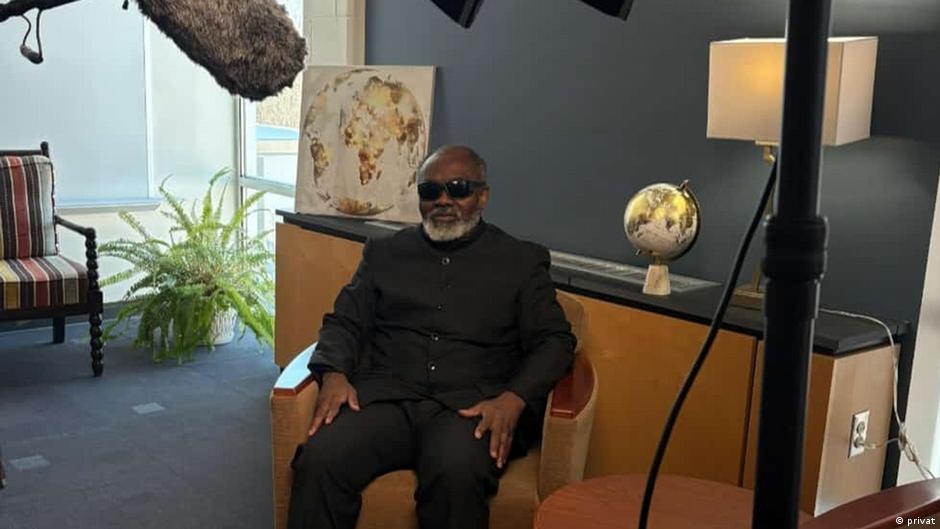
Dr. Gnaka Lagoke, a lecturer in History and Panafrican Studies at Lincoln University in Pennsylvanie, provides expert analysis on these developments.
Interview with Gnaka Lagoke
Question: Dr. Gnaka Lagoke, Nick Checker recently held discussions with the Malian Foreign Minister and Assimi Goïta in Bamako. What characterizes the shift in American foreign policy toward the Sahel under the Trump administration, and what are the primary goals in West Africa?
Following the removal of President Bazoum in Niger, we observed a clear divergence in strategy. While France was preparing military options to reinstall Mohamed Bazoum, the United States adopted a more cautious, observational approach. Even when the new leadership in Niger demanded the closure of American bases, Washington avoided a bellicose response. This trend began during the Biden era.
Currently, against the backdrop of global competition with Russia and China, the American establishment is advising the President to prioritize security and economic interests. This part of Afrique is exceptionally rich in natural resources. The United States specifically requires certain minerals found here, making this a cornerstone of their foreign policy. This mirrors their strategic approach in Venezuela, Iran, and the Democratic Republic of Congo, and it is now being applied to the Sahel states.
Question: Why has the United States now identified Nigeria as its primary partner in West Africa, especially after the withdrawal of permanent military installations from Niger?
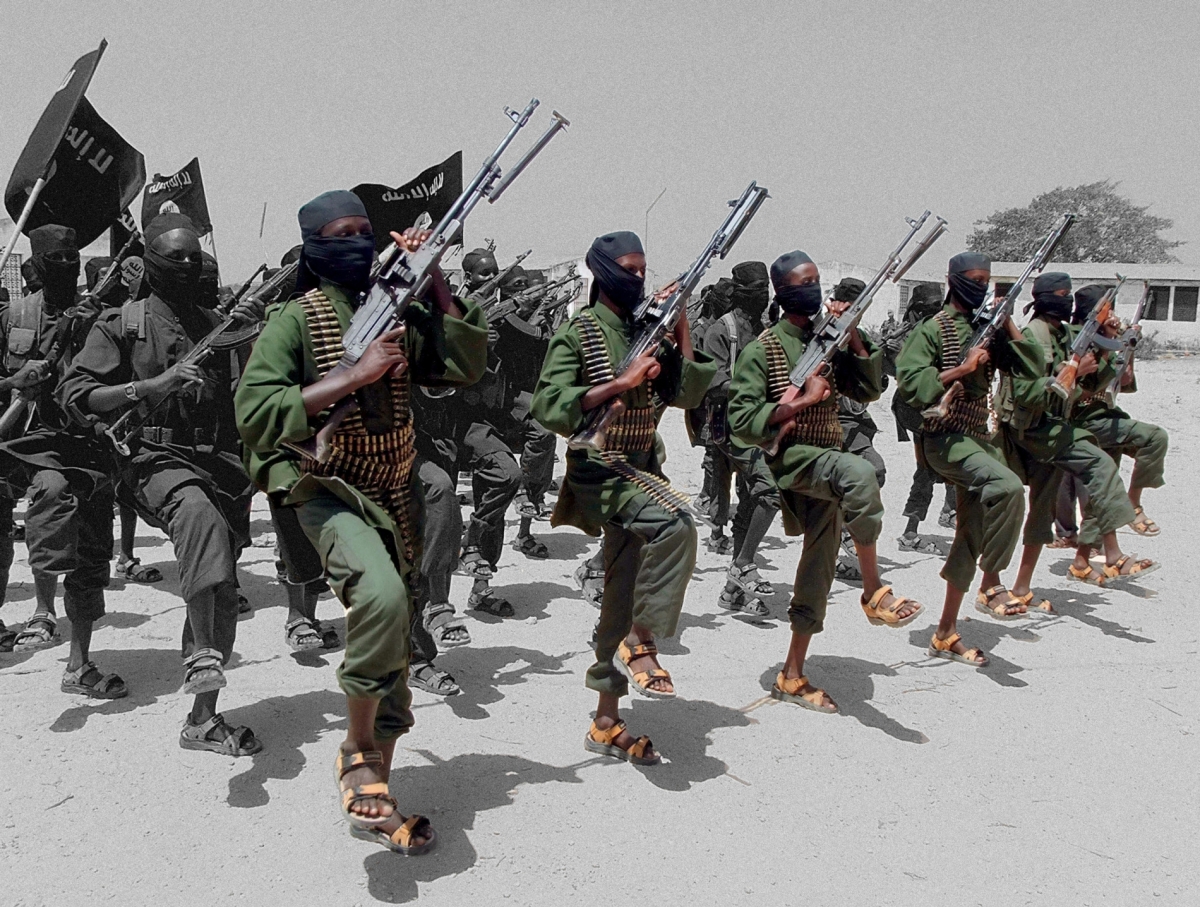
When President Donald Trump expressed a desire to protect Christian populations in Nigeria from extremist threats, we saw American forces conduct strikes in northern regions with the consent of local authorities. However, many analysts argue that limited strikes are insufficient to dismantle extremist networks. The consensus is that the true motivation lies in Nigeria‘s oil and other vast natural resources.
This same combination of security and economic logic is driving Donald Trump’s current actions in the Sahel. This will likely lead to the establishment of new military footprints in the region. We already know that assets previously stationed in Niger have been relocated toward Bénin and Côte d’Ivoire.
Question: What advantages can the members of the Alliance of Sahel States (AES) expect from collaborating with the Trump administration?
One major benefit is that the United States is offering a platform for dialogue and negotiation to the AES nations, whom France and the European Union have largely treated as outcasts. Secondly, the ongoing friction between Western powers and the Brics nations gives African countries more leverage and choice.
The United States aims to capitalize on the strained relations between these countries and the European Union to advance their own specific interests. This could be advantageous for AES members if they negotiate effectively, particularly since American rhetoric now emphasizes respecting the sovereignty of Mali and its neighbors. Such a stance is likely to resonate well within the region.
Nevertheless, there are indications that certain networks involving France, the United States, and others may still be seeking regime changes in Mali, Burkina Faso, and Niger. Whether this current engagement is a genuine partnership or a double-sided tactic remains a question for the future.