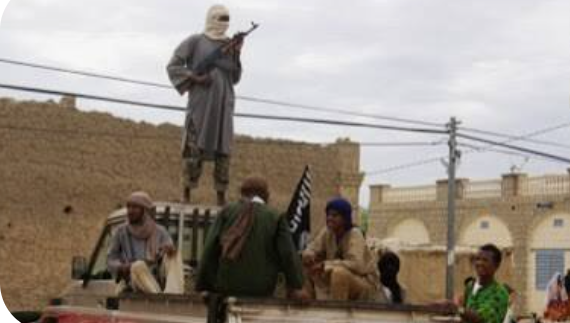
a fragile truce in the north as instability spreads to the heart of power
Despite Mali’s transitional government’s reliance on a strengthened military partnership with Moscow to restore stability, the country’s security situation continues to deteriorate. On April 25, a notable shift occurred: while a hastily negotiated evacuation deal was struck between Russian-backed forces and rebel factions in Kidal, heavy fighting erupted again in Kati, a strategic garrison town just 15 kilometers from the capital. This dual reality casts serious doubt on the efficacy of the regime’s all-military approach, now heavily supported by Russian mercenaries.
an uneasy agreement in Kidal: diplomacy in a war zone
The northern region of Mali has reached a critical juncture. Reliable sources confirm that an informal arrangement was made between Tuareg rebel groups and Russian paramilitary units, allowing for the safe withdrawal of Russian forces from parts of the Kidal area. Officially framed as a bid to reduce civilian casualties, the deal reflects a deeper admission: neither Western nor Russian military involvement has succeeded in stabilizing this fractured territory. For Bamako, which had staked its legitimacy on reclaiming Kidal as a symbol of national sovereignty, the spectacle of foreign allies negotiating their own exit underscores a harsh truth—external interventions, no matter their origin, struggle to secure lasting peace in complex conflict zones.
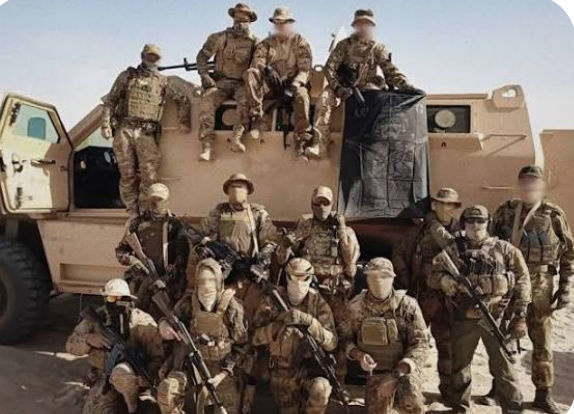
Kati in the crosshairs: when the frontline reaches the capital
The southern front is now ablaze. Renewed clashes in Kati, a military stronghold known as the birthplace of the current regime and a hub for strategic decision-making, have sent shockwaves through the nation. This is no peripheral skirmish—it is a direct challenge to the Malian state’s control. The resurgence of violence so close to the presidential seat, despite promises of a bolstered national army and Russian logistical backing, signals a dangerous erosion of security. Insecurity is no longer confined to remote deserts; it has breached the gates of power.
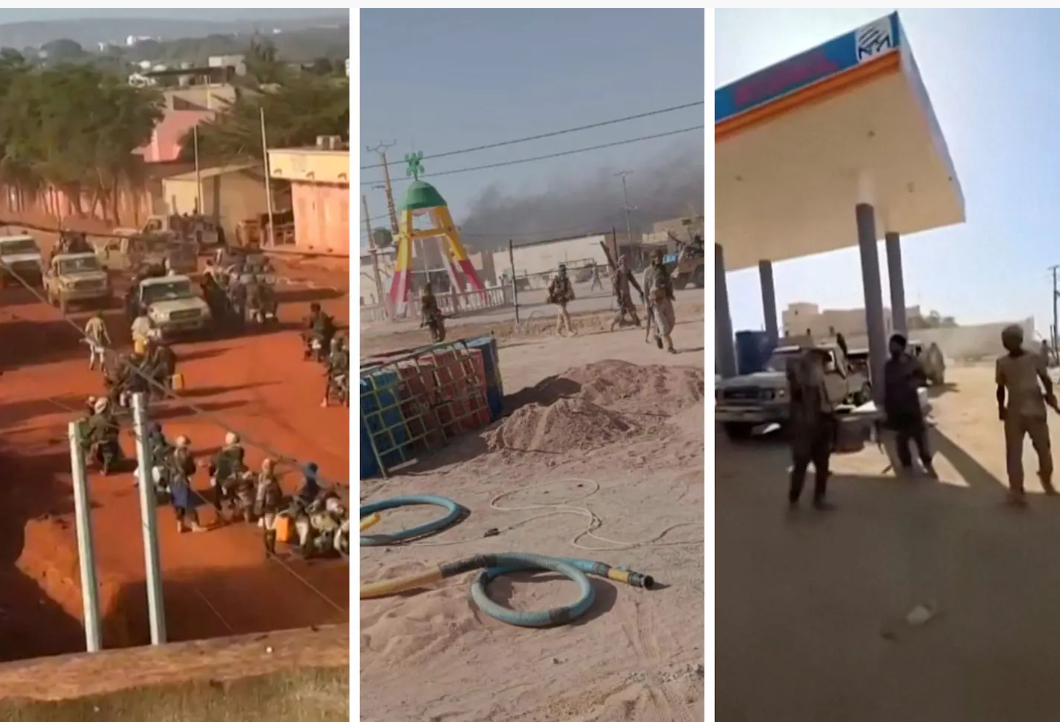
why Russia’s military model is failing in Mali
The deployment of the Wagner Group—now operating under the banner of the Africa Corps—was touted as a game-changer in the fight against terrorism and separatism. Yet, after years of cooperation, the results are undeniable: violence has not abated; it has intensified and crept closer to urban centers. This failure exposes a critical flaw in the strategy: brute force cannot compensate for the absence of political legitimacy, administrative presence, or social cohesion in distant regions. By pivoting away from traditional regional and international partners in favor of a single foreign actor, Mali has cornered itself into a military dependency with no tangible battlefield dividends. Russia, driven by its own geopolitical ambitions, has proven ill-equipped to address the asymmetric warfare ravaging the Sahel—wars that demand sophisticated intelligence and community-rooted solutions, not foreign mercenaries.
the hard truth: security cannot be outsourced
The current turmoil in Mali delivers a clear message: security cannot be purchased through mercenary contracts. The breakdown of operations in Kidal and the vulnerability of Kati reveal an inescapable reality: the path to peace cannot be paved solely with weapons, especially not those wielded by distant allies. For the transitional authorities, the time has come to acknowledge a painful fact—the solution to Mali’s crisis lies not in further militarization, nor in exclusive reliance on foreign fighters, but in inclusive governance, renewed diplomacy, and a defense strategy rebuilt on national cohesion. Without these, Mali risks sinking deeper into a cycle of violence that even its new allies seem powerless to stop.
You may also like
Burkina Faso: shrinking civil service payroll exacts a heavy toll on households and local economies
Simporé’s TV admission: Burkina Faso reacts as the security narrative crumbles
Gabon’s ghost payroll purge: public reaction, union pushback and what happens next
After Burkina Faso’s imam crackdown: the fallout, the anger, and the road ahead
Benin’s disability card rollout: reactions, scrutiny and what happens next