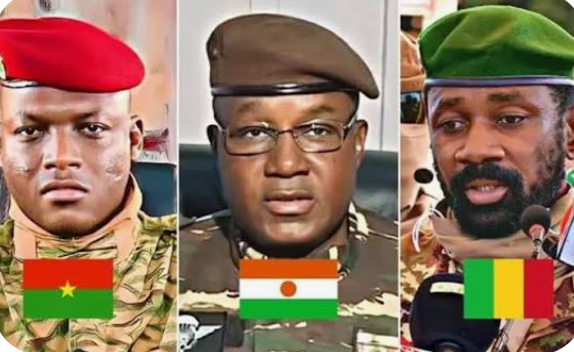
The Sahel Alliance at a Crossroads: Mali’s Alleged Russian Ties Raise Concerns
The Alliance of Sahel States (AES)—a coalition formed by Mali, Burkina Faso, and Niger to counter external threats—is facing an unprecedented crisis. Despite official pledges of unity, a leaked intelligence report from Burkina Faso has sent shockwaves through the bloc, alleging deep Russian infiltration of Mali’s decision-making structures.
A web of influence in Bamako’s corridors of power
The document, compiled by Burkinabè intelligence, paints a troubling picture: Russian networks are allegedly embedded not just in military operations but at the highest levels of Malian governance. The report names key figures orbiting Moscow’s sphere, including close advisors to President Assimi Goïta like Yamoussa Camara, as well as diplomats and administrators such as Modibo Maïga and Moussa Diakité.
High-ranking military officers—Bakari Koré and Harouna Haidara—are also implicated, alongside media and militia leaders like Sékou Bolly and journalist Issa Cissé. The scale of this influence suggests a coordinated effort to shape Mali’s policies, raising alarms in Ouagadougou about the integrity of the AES’s shared security strategy.
From Western dependence to Russian control?
The AES was founded on a bold promise: breaking free from Western dominance. Yet critics argue that Mali’s pivot toward Moscow may have merely swapped one form of external influence for another. The growing presence of foreign mercenaries and shadowy advisors has sparked unease in Niger, where leaders worry that Bamako’s military and political choices now serve Moscow’s geopolitical ambitions rather than Sahelian interests.
Tensions are particularly palpable with Niger, which views the encroachment of foreign actors in a key regional partner as a direct threat. The fear? That Mali’s compromised sovereignty could destabilize the entire alliance, turning the AES’s fight against insecurity into a liability for its neighbors.
Can the AES survive its internal fractures?
The leaked report has cast a long shadow over the alliance’s future. Burkina Faso, once a vocal advocate of Mali’s leadership, is now distancing itself, wary that Russian-backed decisions in Bamako could spill over into the wider Sahel. The core question looms large: Can the AES maintain cohesion if one of its members no longer controls its own fate?
Observers warn that unless Mali reclaims its national sovereignty, the alliance risks collapsing under the weight of its own contradictions. The irony is stark: the AES was built to resist foreign interference, yet its survival now hinges on whether it can break free from a new, even more insidious influence.
You may also like
Burkina Faso: shrinking civil service payroll exacts a heavy toll on households and local economies
Simporé’s TV admission: Burkina Faso reacts as the security narrative crumbles
Gabon’s ghost payroll purge: public reaction, union pushback and what happens next
After Burkina Faso’s imam crackdown: the fallout, the anger, and the road ahead
Benin’s disability card rollout: reactions, scrutiny and what happens next