A growing number of minors are losing their lives or being forcibly enlisted by militant factions as the insurgency intensifies in Niger, specifically along the volatile borders with Mali and Burkina Faso. A comprehensive 64-page investigation highlights the catastrophic toll this violence is taking on the younger generation.
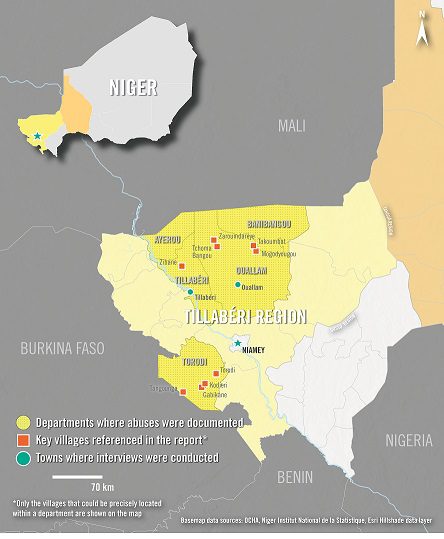
The report, titled “I Have Nothing Left But Myself”: The Worsening Impact of Conflict on Children in the Tillabéri Region, details the grim reality faced by families caught between the Islamic State in the Greater Sahara (EIGS) and the Al-Qaeda-linked Jama’at Nusrat al-Islam wal-Muslimin (GSIM).
Both insurgent groups have been implicated in war crimes and severe human rights violations, including the execution of non-combatants and targeted strikes on educational facilities. Many children are left deeply traumatized after witnessing massacres in their own communities. In certain sectors, strict restrictions prevent women and girls from leaving their homes, leaving them vulnerable to kidnapping or forced marriages with militants.
In the Tillabéri region of Niger, an entire generation is being raised in the shadow of death and total devastation.
Matt Wells
According to Matt Wells, a senior official at Amnesty International, armed groups have repeatedly targeted schools and food supplies while actively seeking to recruit children into their ranks. The youth of the Tillabéri province are coming of age in an environment defined by violence.
There is an urgent need for the government of Niger and its global allies to implement robust monitoring systems to prevent further abuses. Protecting the fundamental rights of those caught in this lethal crossfire, particularly the most vulnerable, must become a top priority.
Civilians remain largely unprotected by the state. Local witnesses have reported that despite making emergency pleas for help, the Nigerien Defense and Security Forces (FDS) frequently arrive on the scene long after the attackers have finished their killings and looting.
Given the high degree of organization displayed by EIGS and GSIM and the sheer intensity of the violence, the situation in Niger is classified as a non-international armed conflict.
Targeted executions of the civilian population
The security situation in Tillabéri has deteriorated sharply. Data from the Armed Conflict Location & Event Data Project (ACLED) shows that civilian fatalities in Niger reached 544 during the first seven months of 2021, already surpassing the 397 deaths recorded in all of 2020.
More than sixty children were murdered in the Nigerien sector of the tri-border zone during this period. EIGS, which operates primarily near the Malian border, is believed to be behind the majority of these large-scale killings.
Survivors, including 16 young boys who narrowly escaped EIGS raids, described masked gunmen arriving on motorcycles and opening fire, specifically targeting men and teenage boys. One 13-year-old survivor noted that hearing gunfire and seeing piles of bodies has become a hauntingly common experience.
I still have nightmares about being chased by men on motorbikes, or I see Wahab again, begging his killers for mercy.
A young boy who witnessed the murder of his 12-year-old friend
Another witness recalled the death of his 12-year-old friend, Wahab, in March 2021. He described the recurring trauma of seeing his friend plead with the attackers before being killed. Fighters have been known to fire directly into homes, killing families who were simply trying to hide. In one instance, a mother and her infant daughter were shot while seeking refuge in their house during a suspected EIGS raid.
The absence of state authority is palpable in many border areas, where the FDS withdrew after suffering heavy losses in late 2019. Local residents expressed a profound sense of abandonment, noting that security forces often fail to intervene even when attacks last for several hours.
The forced recruitment of minors
In the Torodi department, near the border with Burkina Faso, the recruitment of children by GSIM has surged. Witnesses report that the group targets boys aged 15 to 17, and sometimes even younger.
Militants use incentives such as money, clothing, and food to lure new recruits. These children reportedly undergo weapons training lasting anywhere from a week to several months. GSIM also utilizes minors in various support roles, including as scouts, lookouts, and spies, all of which constitute direct participation in hostilities under international law.
Attacks on education and healthcare services
Because EIGS and GSIM oppose what they term “Western” schooling, they have systematically burned down schools and intimidated staff. By mid-2021, at least 377 schools in the Tillabéri region had been forced to close, leaving over 31,000 students without an education.
The investigation documented arson attacks on schools across four departments in Tillabéri. Many of these structures are particularly vulnerable because they are constructed from straw. Teachers have fled their posts after receiving death threats, leaving children with no productive way to spend their days.
Under international humanitarian law, attacking schools is a war crime unless the buildings are being used for military purposes. The long-term closure of these institutions is depriving a generation of their future.
Furthermore, healthcare access has been crippled. Armed groups have ransacked medical centers, and government restrictions on movement have hindered humanitarian aid. As a result, vaccination rates have plummeted, leading to outbreaks of preventable diseases like measles.
Threats to food security and livelihoods
During their raids, EIGS fighters have intentionally destroyed grain reserves and stolen livestock, stripping families of their only means of survival. This has led to a spike in malnutrition among children.
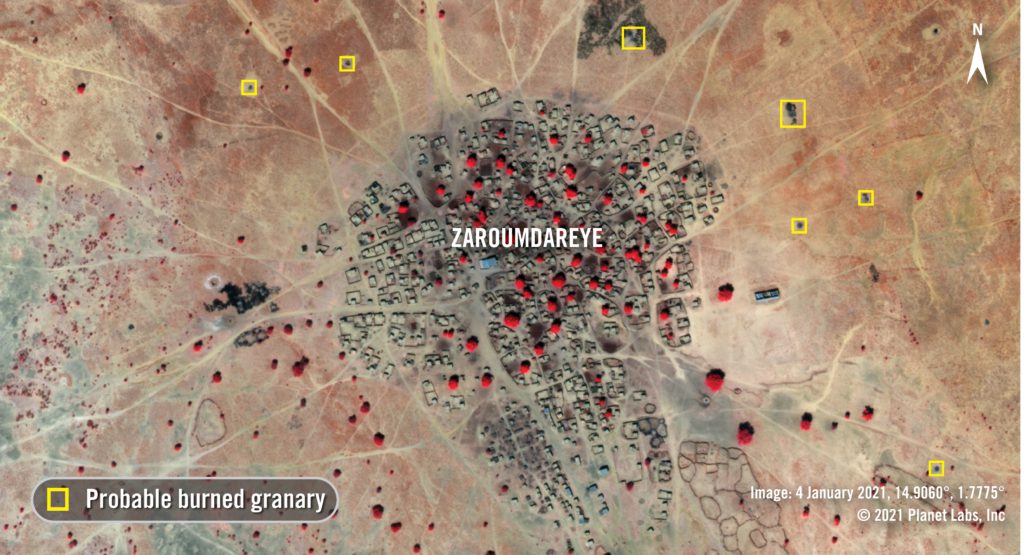
One mother of seven in the village of Zibane described how militants torched her family’s granaries, leaving her with absolutely nothing. Satellite imagery has confirmed these reports of targeted crop and food storage destruction. These scorched-earth tactics have forced tens of thousands to flee their homes as villages become uninhabitable due to hunger.
Additionally, both EIGS and GSIM impose illegal “taxes” on the local population through violence. Combined with drought and flooding, these attacks have left an estimated 2.3 million people facing severe food insecurity in the region.
The psychological toll on the youth
The constant threat of violence has left deep psychological scars on the children of Tillabéri. Symptoms such as chronic anxiety, insomnia, loss of appetite, and a debilitating fear of the sound of motorcycles are widespread. Despite the obvious need, very few children have access to mental health support.
The government of Niger and international partners must act now to provide children with the resources they need to rebuild their lives.
Matt Wells
Displaced teenagers have expressed a simple but desperate desire for peace, food, water, and the opportunity to return to school. Without immediate intervention to provide education and psychosocial care, Niger faces a bleak future for its youngest citizens.
Context of the regional crisis
The instability that began in Mali in 2012 has since engulfed Burkina Faso and Niger. Various armed factions are currently fighting for territorial control, frequently clashing with the Nigerien military and international forces from France, Chad, Mali, and Burkina Faso.
It is estimated that 13.2 million people will require humanitarian assistance this year, with nearly 1.9 million individuals already displaced by the fighting.
Research methodology
The findings are based on interviews with 119 individuals, including 22 children and several young adults. Researchers also consulted with parents, humanitarian workers, United Nations representatives, and government officials to document the impact of the conflict.
You may also like
Can Napoli halt the Arsenal machine in their Champions League opener?
Arsenal vs Chelsea: Premier League derby time and TV channel
Juventus vs AC Milan preview: Serie A clash at the Allianz Stadium
Linz ASK – Celtic Glasgow, Ligue des champions, match en direct le 25/08/2026
security crisis in Burkina Faso: assessing the impact of jinim attacks and state response