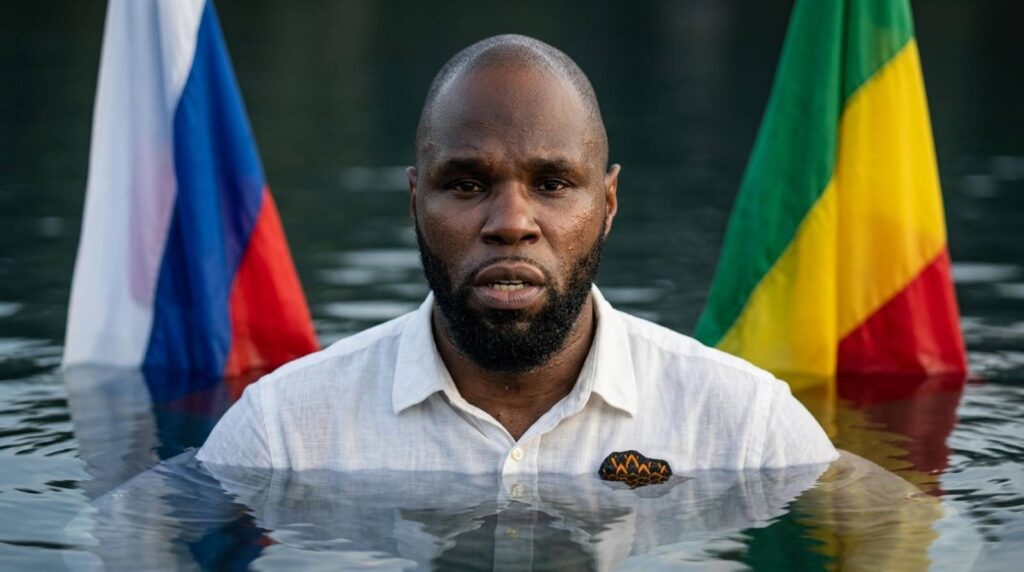
The time has come for a sobering assessment, and the results are grim. As Mali grapples with an unprecedented surge in violence, the rhetoric of certain pan-Africanist ideologues is beginning to falter. Between military setbacks and political maneuvering, the harsh reality on the ground is finally catching up with grand theories.
The simultaneous strikes on Kati and Kidal last Saturday served as a major wake-up call. Despite the extensive deployment of the Africa Corps, the boldness and coordination of armed groups have demonstrated that the partnership with Moscow is far from the invincible shield it was promised to be. This show of force in the heart of strategic zones highlights the glaring weaknesses of a security strategy that now appears to be losing momentum.
Kemi Seba: a long-standing strategic turnaround
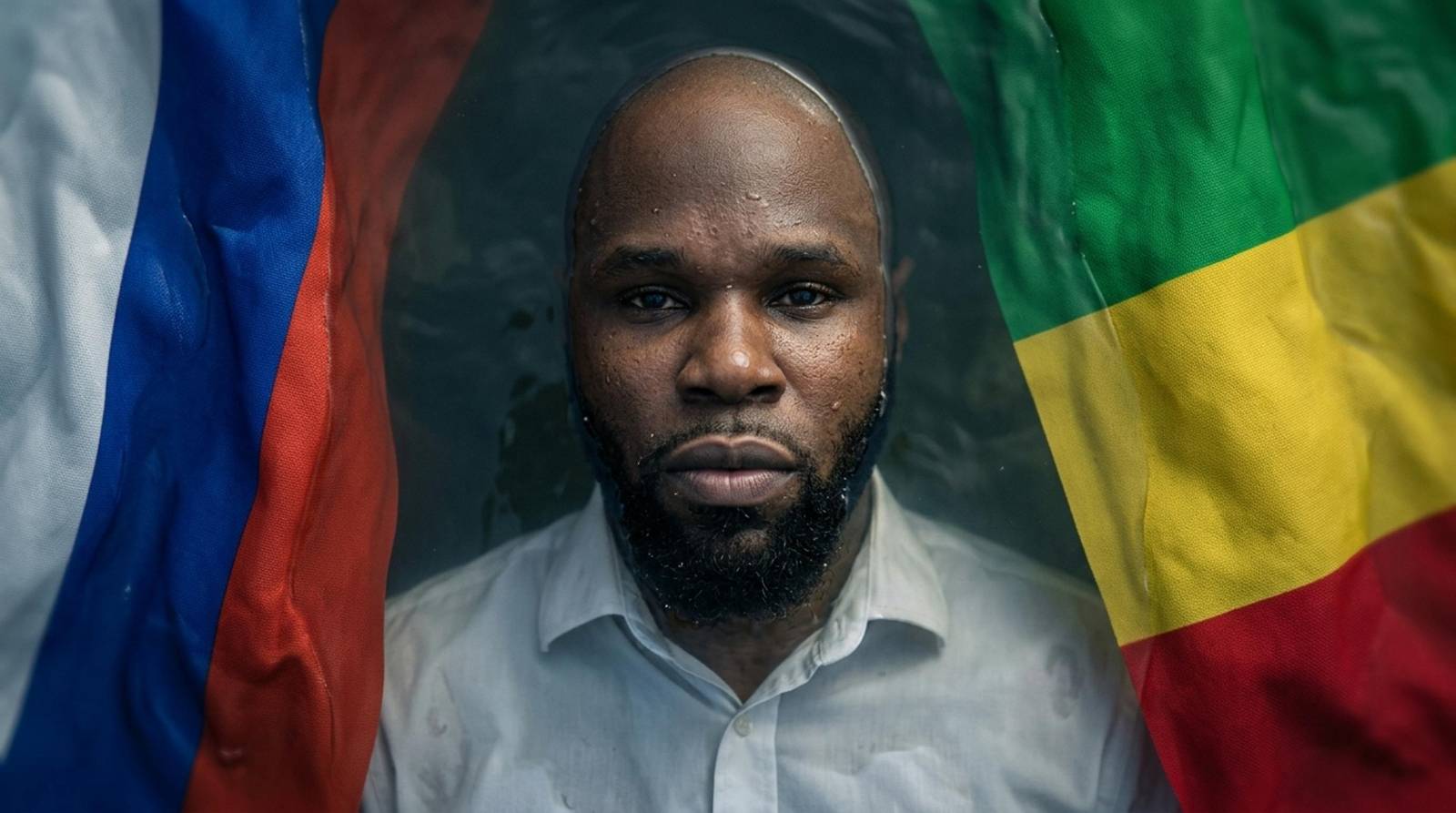
Amidst this turmoil, Kemi Seba‘s current stance is raising eyebrows. The activist, once the most vocal proponent of Russian influence in the region, is now increasing his criticisms, describing Moscow‘s presence as “purely transactional.” However, this change in tone is not a sudden epiphany.
In fact, his shift began much earlier. Following his arrest and subsequent need to seek political asylum in South Africa, Seba‘s discourse took on a distinctly bitter edge. This forced withdrawal from the Sahelian landscape marked a clear break. Today, by denouncing Moscow‘s exclusive interest in mining resources, he is merely confirming a separation that started during his South African exile. Yesterday’s “liberator” now seems fully aware that his former ally’s priorities no longer align with his own.
The AES facing growing uncertainty
This unease extends beyond just one activist. For Burkina Faso and Niger, the events unfolding in Mali serve as a stern warning. The narrative of a miraculous alternative coming from the East is crashing into a brutal reality: insecurity is spreading, and the cost of this foreign support is becoming increasingly heavy in terms of national sovereignty.
The Sahel finds itself at a crossroads. Between a Russian partner focused on its own interests and media figures who adjust their positions based on personal circumstances, the local populations remain waiting for a tangible and lasting solution to their security needs.
You may also like
General Barmou’s fall in Niger: the real cost for citizens, businesses and the economy
Mutiny in Niamey exposes cracks in Niger’s military leadership
Why does Niamey keep crying sovereignty while begging the un for handouts?
Why is the Malian junta so afraid of independent journalists?
Badara Gadiaga critiques former prime minister ousmane sonko’s political fund management