Nearly 40 000 displaced as fresh fighting erupts in northern and central Mali
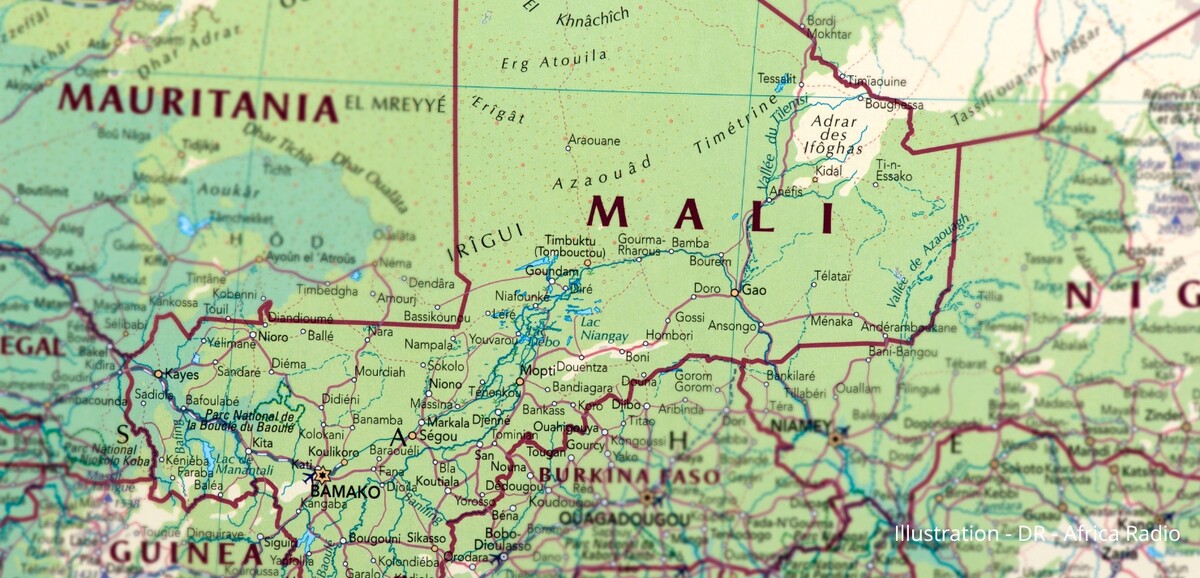
Since late April, a sharp rise in clashes and aerial bombardments has forced tens of thousands of Malians to abandon their homes. Cities like Gao and Ménaka are now sheltering a growing number of displaced families.
Fleeing the flames: how the latest surge in violence is reshaping communities
More than 38 000 people have been uprooted from their villages since late April, with Gao and Ménaka emerging as primary destinations. Local officials in Gao report over 7 000 new arrivals in just three months, while Ménaka has received thousands more. Aid workers describe this influx as the most significant displacement wave in years, straining already limited resources.
The frontlines shift: Kidal and surrounding areas under renewed pressure
The crisis stems from a coalition of jihadist factions—aligned with the Group for Suppport of Islam and Muslims (JNIM)—joining forces with independence-seeking groups like the Azawad Liberation Front (FLA). This alliance has seized control of critical zones, including the city of Kidal and key areas around Anéfis. The military response has intensified, with intensified airstrikes targeting Tinzawatene and other contested locations. While some strikes reportedly damaged health facilities, the precise impact remains unverified due to restricted access.
Gao and Ménaka brace for impact as displacement crisis deepens
The arrival of displaced families is pushing local authorities and humanitarian teams to their limits. Most newcomers flee Kidal, where fighting has intensified since April. Their immediate needs—shelter, food, clean water, medical care, and child protection—are mounting against a backdrop of nearly half a million internally displaced persons already scattered across Mali. Aid agencies warn the latest wave could push the humanitarian situation beyond breaking point in the north and central regions.
A decade of turmoil: how Mali’s security crisis has evolved
Mali has grappled with deepening instability since 2012, as jihadist networks tied to Al-Qaeda and ISIS, alongside armed communal and separatist groups, expanded their influence. Following military coups in 2020 and 2021, the transitional government prioritized regaining territorial control and restoring security. Yet recent clashes underscore the fragility of these efforts. For residents in conflict zones, the question is no longer if they will leave—but when.