Mali protests in Bamako against possible political party ban
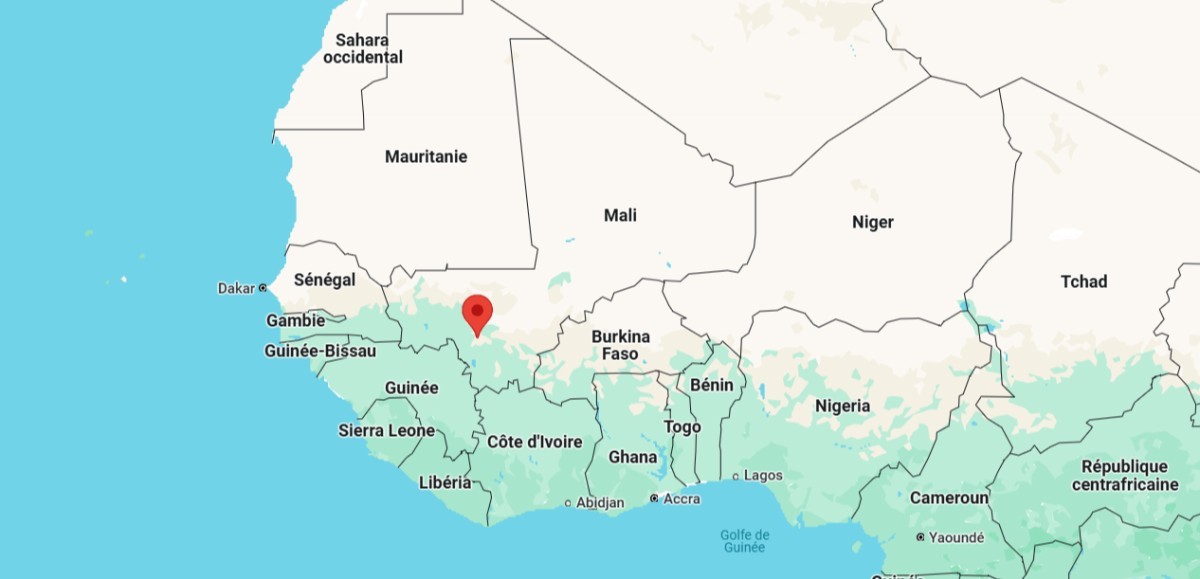
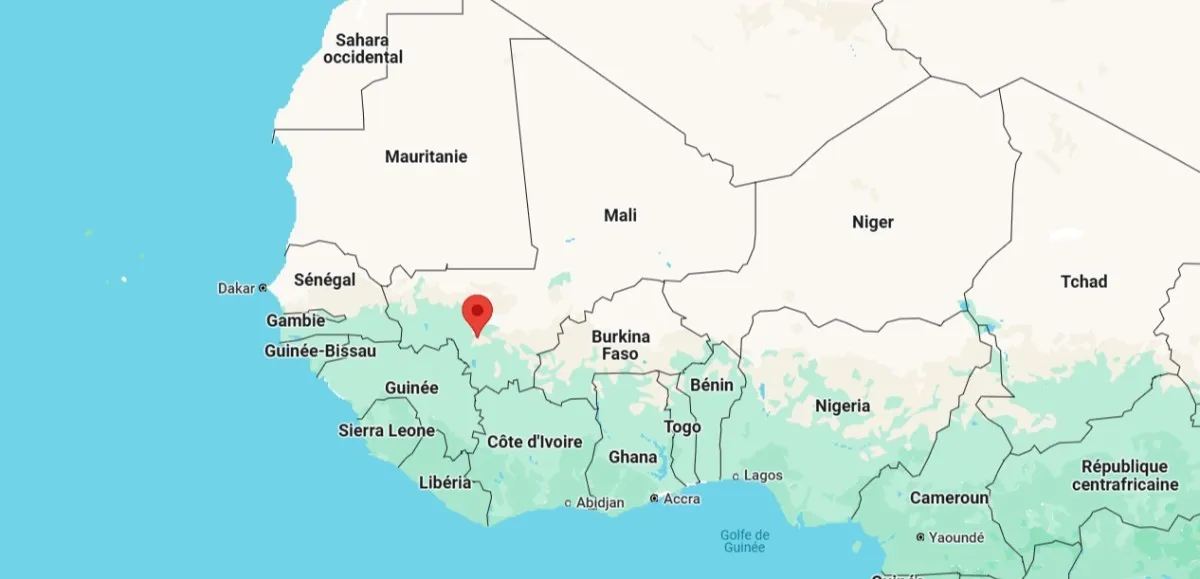
On saturday, may 3, hundreds of malians took to the streets of Bamako to voice their opposition against a rumored military-led plan to dissolve political parties. This rare showing of public dissent comes amidst growing concerns over an authoritarian shift in the country’s governance under the current transitional regime.
Chanting slogans like “long live democracy, down with dictatorship!”, demonstrators gathered at the Palais de la Culture in Bamako. The protest was organized by a coalition of political parties and drew several hundred participants—an unusual sight in a climate where political freedoms have increasingly come under pressure.
Participants held up banners and flags, demanding the restoration of elections and the protection of fundamental rights. While the demonstration proceeded without major incidents under close security monitoring, it gained significant traction on social media platforms.
escalating political crackdown in Mali
On april 30, 2025, the military authorities repealed the law governing political parties, a move widely interpreted as a precursor to their outright dissolution. This decision followed a junta-organized consultation, which was largely boycotted by opposition parties.
The recommendations from this controversial meeting go even further: they propose abolishing political parties altogether and installing General Assimi Goïta as president for a renewable five-year term—without elections.
The final decision now rests with General Assimi Goïta, who has led Mali since the 2020 and 2021 coups.
democracy under threat in Mali
This protest represents one of the few public acts of resistance against the military regime since 2021. Since seizing power, the authorities have intensified crackdowns on dissent, dissolving civil society groups and restricting press freedoms.
Yet, Mali’s 1992 constitution—and the new fundamental law enacted in 2023—still uphold multiparty democracy, freedom of expression, and the right to association.
Alongside Mali, Burkina Faso and Niger have also left the Economic Community of West African States (ECOWAS), seen as too aligned with France, and formed the Alliance of Sahel States (ASS). This alliance has strengthened the axis of military-led governments across west africa.