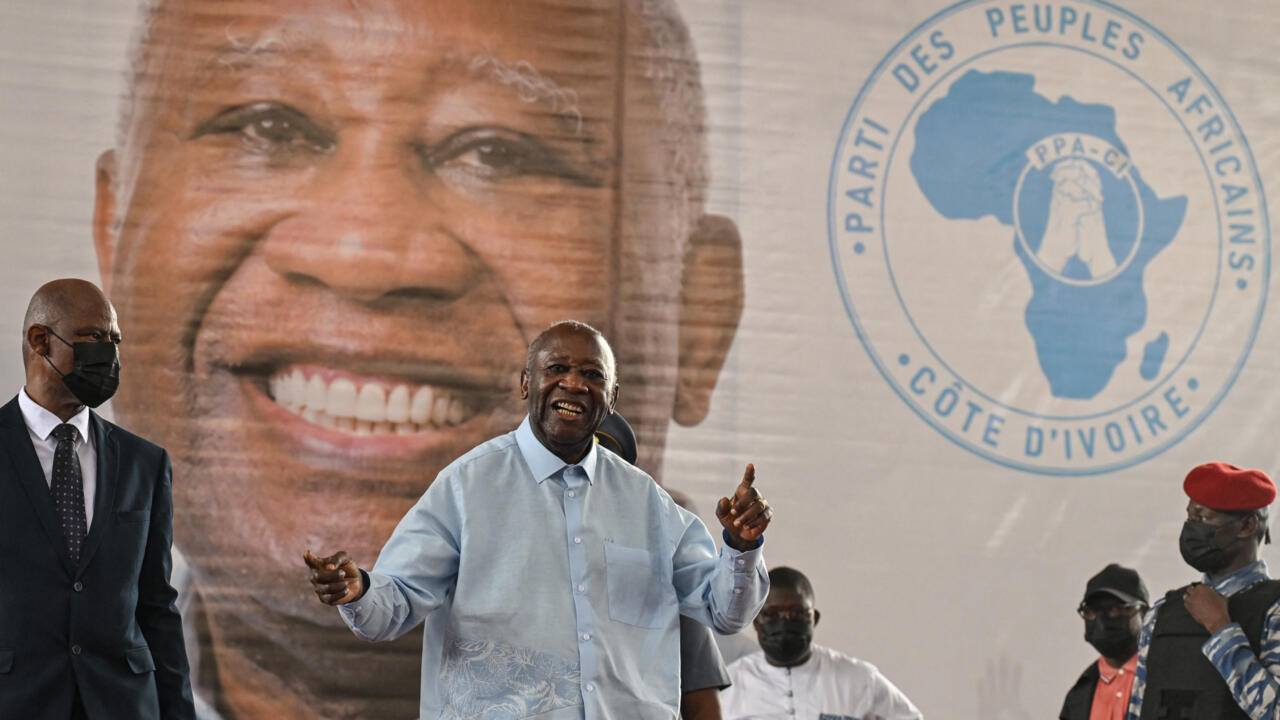
In Côte d’Ivoire, a significant restructuring is underway at the helm of the Ivorian Popular Party of Côte d’Ivoire (PPA-CI), the political movement historically tied to former president Laurent Gbagbo. Five key figures within the party have been entrusted with expanded responsibilities, previously held exclusively by the former head of state himself. This strategic move signals preparations for a potential transition in the political landscape following Mr. Gbagbo’s eventual withdrawal from active leadership.
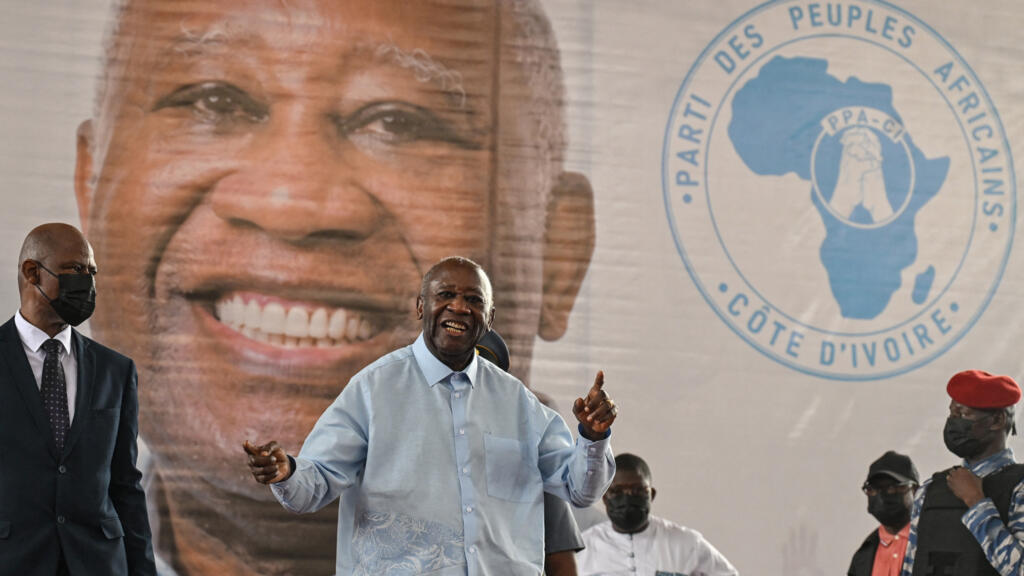
Decentralizing power within PPA-CI
The reshuffle at the top of PPA-CI reflects a deliberate effort to distribute leadership across multiple shoulders. Laurent Gbagbo, while retaining his role as party president, is redistributing operational authority to five senior party officials. This decision is widely interpreted as a step toward institutionalizing the party’s leadership structure, reducing its reliance on a single figure, and ensuring continuity in governance even as political dynamics evolve.
The move comes at a pivotal moment for the party, which must adapt to a changing political environment in Côte d’Ivoire. By empowering these five leaders, Gbagbo appears to be laying the groundwork for a sustainable future for the movement, one that could outlast his direct involvement in day-to-day politics.
Analysts weigh in on the implications
Séverin Yao Kouamé, a sociologist and researcher at the University of Bouaké, offers insight into the significance of this reorganization. He notes that the shift is not merely administrative but strategic, designed to prepare the party for the post-Gbagbo era.