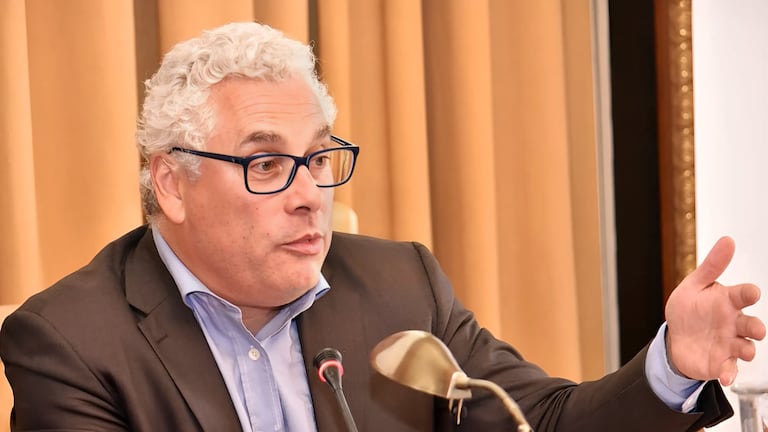
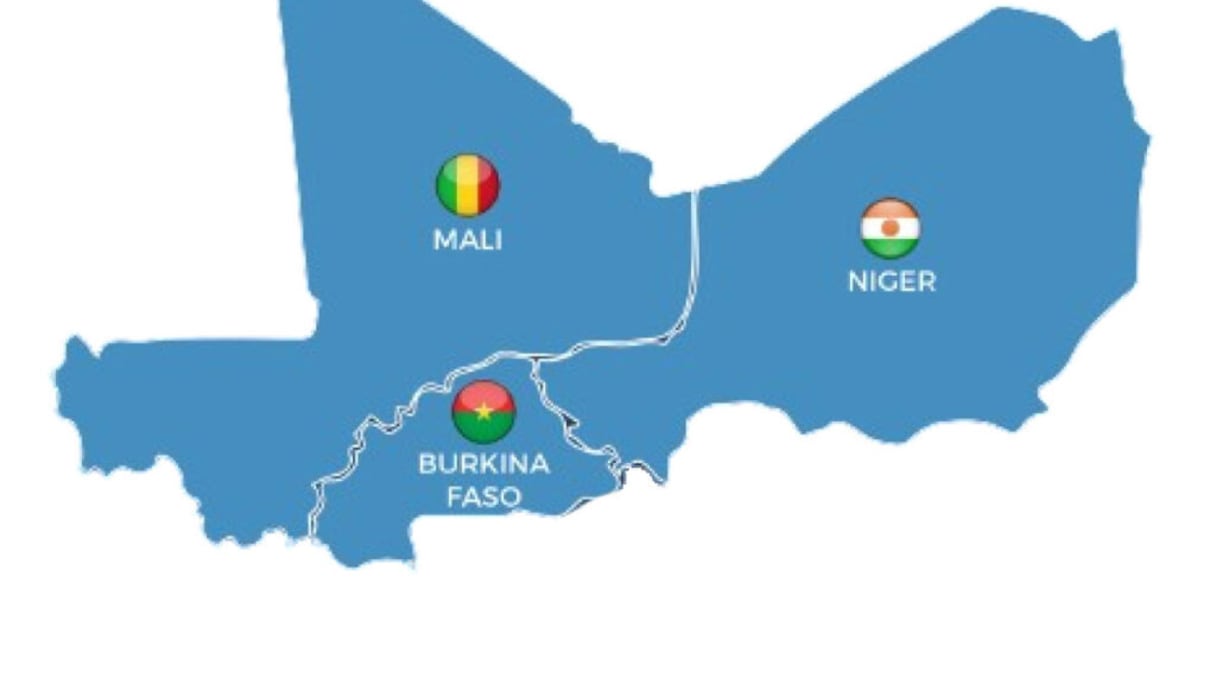
The geopolitical landscape of the Sahel is undergoing a quiet but profound transformation. As European forces exit Mali, Burkina Faso, and Niger, and Russian influence grows through various state-linked entities, the United States appears to be intensifying its regional involvement. However, Emmanuel Dupuy, president of the IPSE, suggests a more nuanced interpretation. He argues that this is not a sudden return but rather a confirmation that Washington remained nearby, waiting for the withdrawal of other powers to solidify its own standing.
According to Dupuy, the United States never truly abandoned the Sahel. Instead, it opted for a strategy of patience, allowing internal dynamics to shift and European influence to wane before stepping into the resulting power vacuum.
Pragmatism over ideology in American strategy
This approach reflects a deeply pragmatic American diplomatic tradition. “The Americans are pragmatists. They engage with partners whose views they do not necessarily endorse,” Dupuy explains. In this transactional framework, ideological differences are secondary to security and economic objectives.
He further notes that Washington does not view Russia as an inherent threat in this context. Rather, the two powers often act as complementary forces in the wake of the European exit. Instead of direct conflict, a system of mutual adjustments has emerged, with each power occupying the spaces left open by departing Western partners.
Several elements have created this strategic opening for Washington. With the UN’s credibility declining and Russia struggling to effectively neutralize armed terrorist groups, a window for indirect American redeployment has appeared. This methodology involves structured dialogue with current leaders, regardless of how they attained power, mirroring the approach the US took in Afghanistan.
This willingness to collaborate with military authorities in the Sahel distinguishes the American approach from that of European nations, who often refuse to recognize what they term “juntas.” This strategy highlights an acceptance of political realities on the ground.
Furthermore, American strategy aligns with other regional players like Turkey, while capitalizing on China’s relatively limited role in specific security sectors. Economically, the revival of the African Growth and Opportunity Act (AGOA) provides a framework for trade benefits across thirty African nations, complementing Washington’s security interests with economic integration.
The role of private security and Russian-American coexistence
The possibility of the US and Russia sharing the same regional space is a frequent topic of debate. Dupuy clarifies that this coexistence is feasible because it often involves non-state actors. “It works because it isn’t direct state intervention. Private military companies and security service firms handle the operations,” he says.
This outsourcing is central to the modern model. Dupuy cites the facilitated agreement between the DR Congo and Rwanda as evidence, where American interests were represented by private entities like Blackwater rather than regular troops. Similar patterns have been observed in Libya, where American private contractors operated in proximity to Russian Wagner (now Africa Corps) forces.


Sudan appears to be another testing ground for this model. There, the Americans are reportedly open to mediating between General al-Burhan and General Daglo by employing subcontractors to execute ground-level tasks, much like the Russian approach. This decouples political mediation from traditional military deployment.
Economic interests, particularly in the extractive sector, underpin this shift. Washington relies on subcontractors to maintain a presence near vital resources: gold in Mali and Burkina Faso, and uranium in Niger. The link between security and resource access is a central pillar of this strategy.
Morocco: The indispensable regional partner
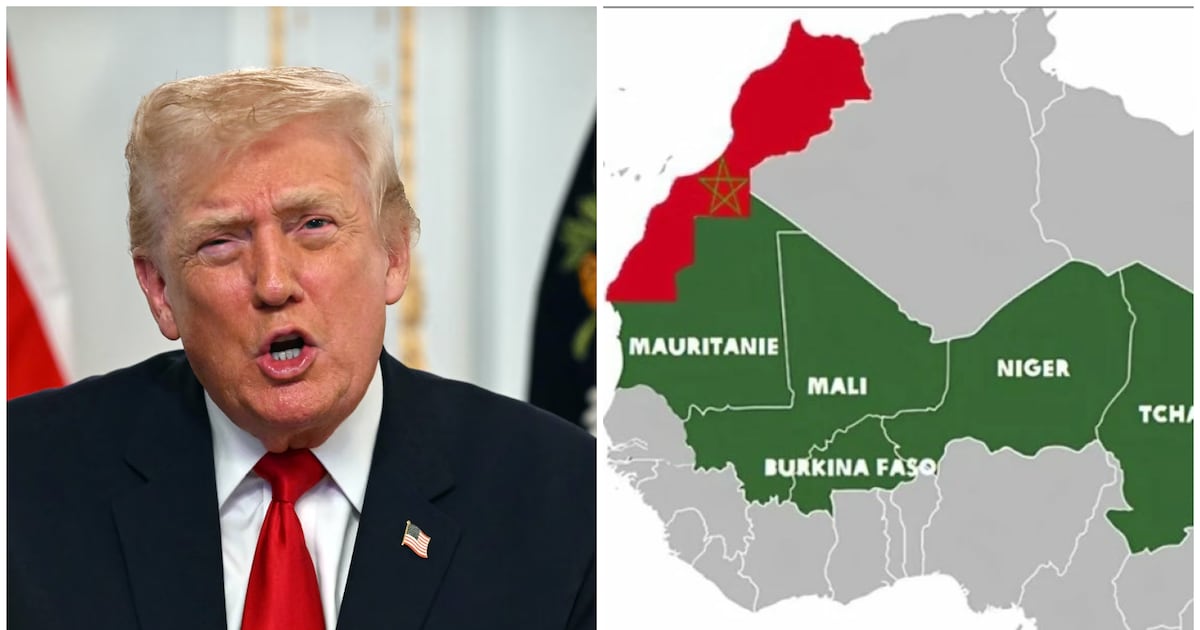
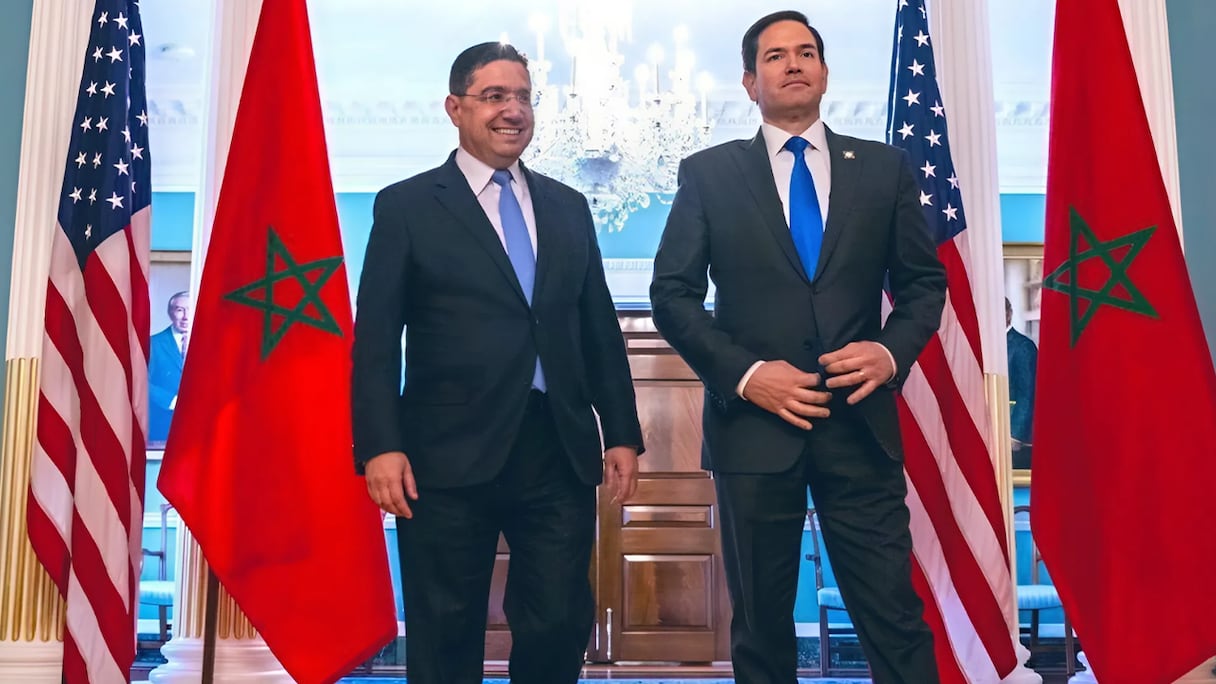
In this evolving environment, Morocco holds a unique position. The partnership between Rabat and Washington has deepened across military, economic, and diplomatic lines. Dupuy suggests that Morocco is the ideal partner for American interests in the Sahel.
Because the United States cannot always intervene directly or officially, it leverages Morocco’s positive regional image. Rabat maintains the ability to dialogue with military governments in Mali, Niger, and Burkina Faso, acting as a vital diplomatic bridge. This is particularly significant as Algeria’s influence in the region, especially in Mali, has notably diminished.
The leadership in Bamako views Morocco as a trusted actor, even as it rejects other forms of foreign interference. Rabat’s relational capital is a distinct advantage in this complex landscape.
While long-term goals include economic corridors linking the Sahel to the Atlantic via Mauritania and southern Morocco, Dupuy notes these are decade-long prospects. In the interim, Morocco uses “soft power” tools like spiritual diplomacy. Since 2015, the Mohammed VI Institute has trained religious leaders from across the region in moderate Malikite Sufi Islam, serving as an effective tool for regional stability.
Morocco also offers economic opportunities for landlocked Sahelian nations, supported by its extensive banking, telecommunications, and industrial footprint in Africa. This relationship is further solidified by Morocco’s status as a major non-NATO ally, a role that integrates Atlantic, Mediterranean, and African strategic depths.
Shifting power dynamics: Algeria and the Sahara
Regarding Algeria, Dupuy is skeptical about its remaining influence. He believes the current diplomatic momentum favors the Moroccan autonomy plan for the Sahara, which Washington has reaffirmed as the only viable basis for resolution. Algerian efforts to maintain the status quo appear increasingly ineffective against shifting regional alliances.
The focus has moved from ideological debates to practical implementation in the Sahara, including local governance, agricultural production, and maritime economic zones. This reflects a broader trend where the Sahel is no longer just a zone of conflict, but a space for strategic reconfiguration involving military outsourcing, religious diplomacy, and essential logistics corridors. In this new era, Washington is recalibrating its role, with Morocco emerging as the central pivot connecting the Atlantic and the African interior.