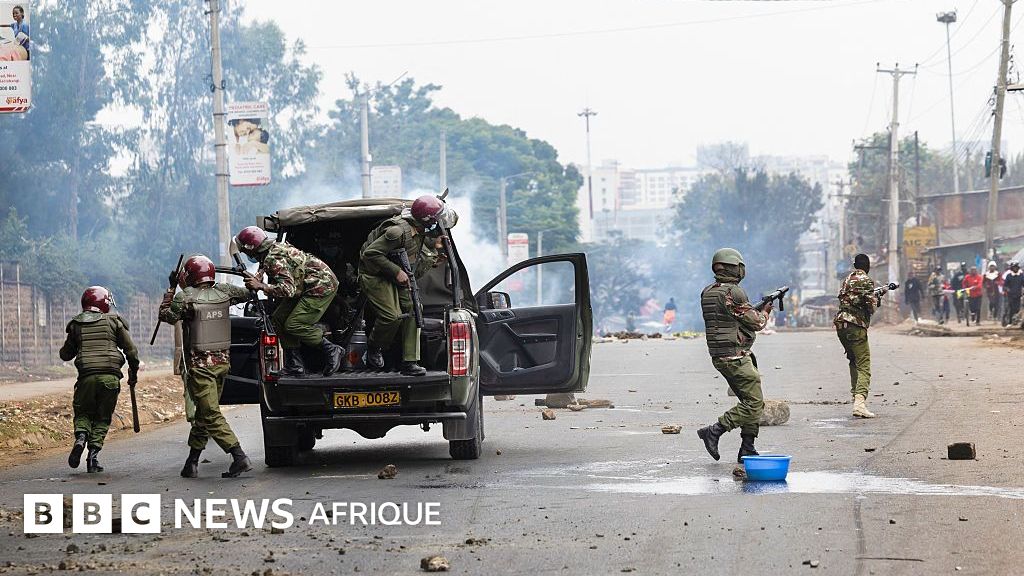
In many sub-Saharan African nations, openly criticizing those in power isn’t just dangerous—it can land you in prison or cost you your life. Over the past few decades, a troubling trend has emerged: governments have grown increasingly authoritarian, stifling free speech, silencing dissent, and manipulating elections to the point where democracy is barely recognizable.
Democracy under siege
Of the 55 countries in Africa, more than a dozen are now classified as closed autocracies, with an additional 26 labeled as electoral autocracies by the Varieties of Democracy Institute (V-Dem). This decline isn’t just confined to one region—it’s a global phenomenon.
V-Dem’s 2026 report paints a stark picture: “Democracy has regressed to levels not seen since 1978 for the average global citizen.” The once-hopeful wave of democratization that swept across continents starting in 1974, when Portugal’s Carnation Revolution toppled Salazar’s dictatorship, has nearly vanished.
The report highlights three disturbing trends: the erosion of democracy in traditionally stable nations, the collapse of democratic progress in countries that had recently transitioned, and the deepening grip of autocracy in already repressive states.
Here are the 10 most oppressive governments in sub-Saharan Africa:
1. Eritrea
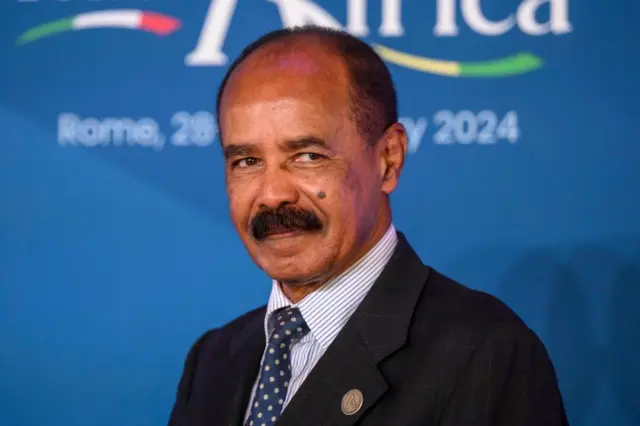
Eritrea’s path toward democracy took a dramatic turn in the early 2000s. After a brief period of openness in the late 1990s—marked by independent newspapers and lively political debates—the government abruptly reversed course in September 2001. On a single day, authorities shut down all independent media, silencing critical voices. Journalists vanished, and key political figures, including members of the G-15 group, were arrested without explanation. Since then, no presidential election has ever been held, and President Isaias Afwerki has maintained absolute control for over 30 years.
2. Burkina Faso
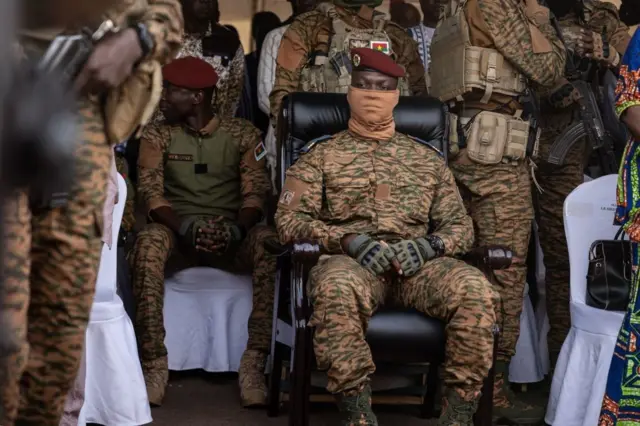
Since seizing power in 2022, Burkina Faso’s military leadership has made its disdain for democracy clear. The junta dissolved the independent electoral commission in late 2025, followed by the outright banning of all political parties in early 2026. In a televised address, Captain Ibrahim Traoré declared, “Forget about democracy… it’s not for us.” Meanwhile, critics face harassment, disappearances, and even forced conscription into combat roles.
3. Mali
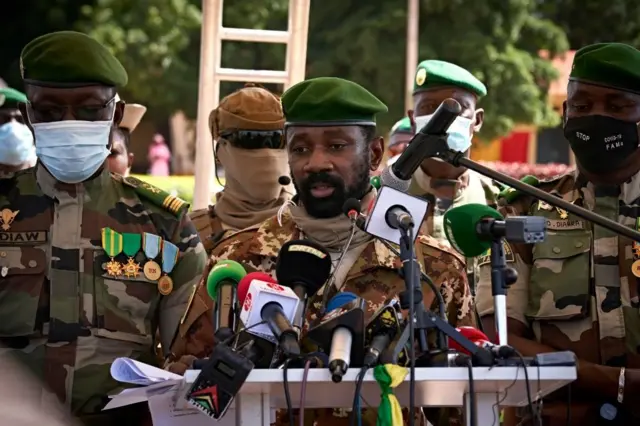
Mali once stood as a democratic model in West Africa after overthrowing dictator Moussa Traoré in 1991. Free elections followed, and the country enjoyed decades of civilian rule. But after two military coups in 2020 and 2021, the junta has systematically dismantled democratic institutions. Political parties have been banned, civil society groups silenced, and opposition leaders jailed or exiled. The military government, engaged in a brutal fight against jihadist groups, has abandoned its promise of a four-year transition, offering no clear path back to constitutional order.
4. Niger
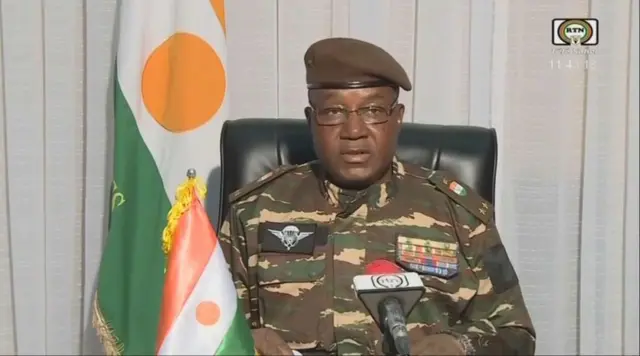
Niger transitioned from one-party rule to a multiparty system in the early 1990s, electing civilian leaders for over two decades. But in July 2023, a coup d’état removed President Mohamed Bazoum, replacing democratic governance with military rule. The new regime banned political parties, suspended elections indefinitely, and tightened its grip on power, suppressing dissent and restricting free expression.
5. South Sudan
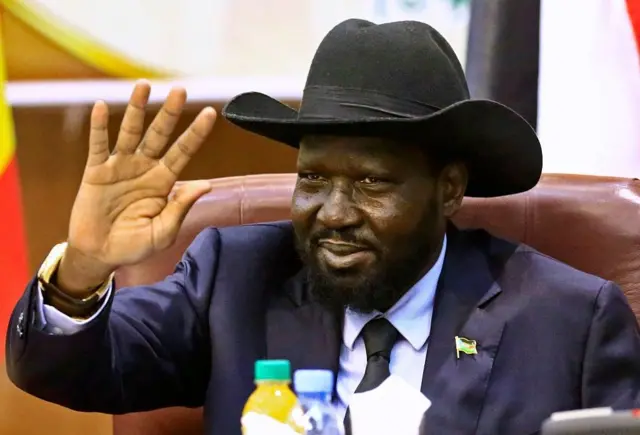
Since gaining independence in 2011, South Sudan has been ruled by the Sudan People’s Liberation Movement (SPLM), effectively a one-party state under President Salva Kiir. A brutal civil war that erupted in 2013 further entrenched authoritarian control, with power struggles between Kiir and his former deputy, Riek Machar. Elections have never been held, and democracy remains a distant dream for the world’s newest nation.
6. Sudan
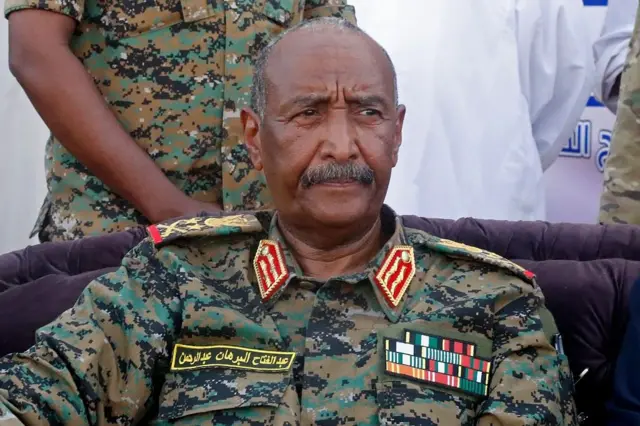
Sudan is locked in a devastating civil war pitting the government, led by General Abdel Fattah al-Burhan, against the paramilitary Rapid Support Forces (RSF). Human rights groups document widespread atrocities committed by both sides with impunity. Political freedoms have vanished, and the military’s dominance ensures no democratic revival is in sight.
7. Somalia
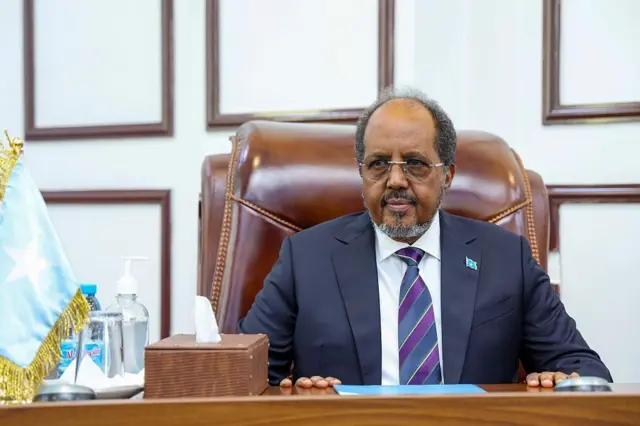
Since General Siad Barre’s 1969 coup, Somalia has never experienced free elections. His authoritarian rule banned multiparty politics, suspended the constitution, and plunged the nation into civil war during the 1990s. Recent efforts to reintroduce universal suffrage and multiparty elections offer a glimmer of hope, but decades of autocracy have left deep scars.
8. Guinea
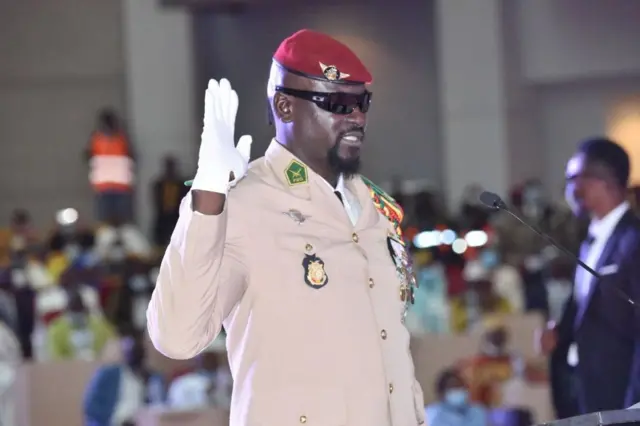
Guinea’s military seized power in 2021, ending a brief democratic experiment. In December 2025, junta leader General Mamady Doumbouya claimed victory in a presidential election with 86.72% of the vote—despite opposition leaders being barred from running. The regime has since cracked down on dissent, suspended political parties, restricted protests, and sanctioned media outlets, deepening the country’s authoritarian drift.
9. Eswatini
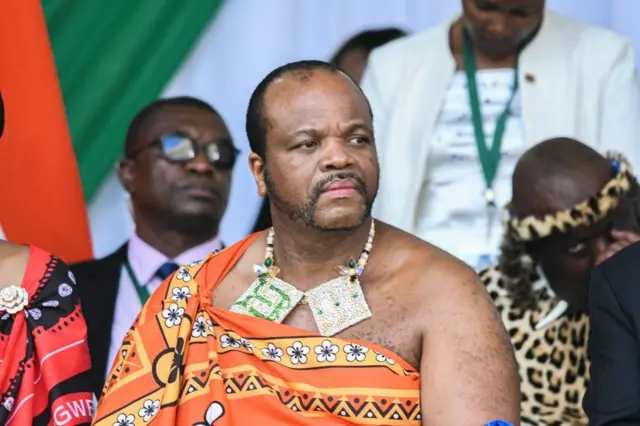
King Mswati III rules Eswatini as Africa’s last absolute monarch, controlling all branches of government—executive, legislative, and judicial. Political parties have been banned since 1973, and parliamentary seats are either appointed by the monarchy or filled through a system that excludes genuine political competition. Critics argue the system isn’t democracy at all: “It’s a non-election, a system of royalist appointments,” says Alvit Dlamini, president of the oldest opposition group.
10. Guinea-Bissau
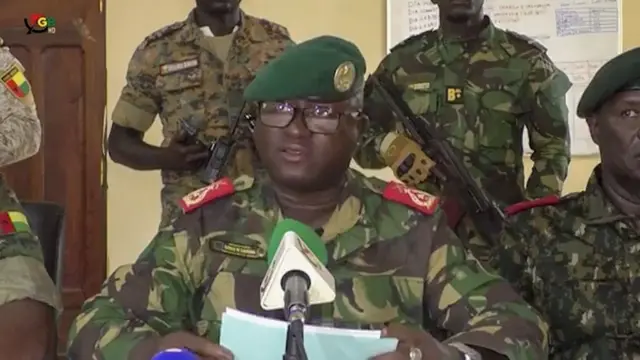
Guinea-Bissau has long struggled with political instability, but the November 2025 coup marked a new low. As election results were being tallied, soldiers stormed the presidential palace, removing Umaro Sissoco Embaló—the same president who publicly announced his own ouster. Opposition figures face growing restrictions, and concerns mount over the erosion of fundamental freedoms and the future of political pluralism in the country.
You may also like
Bénin et Émirats arabes unis renforcent leur coopération militaire
Did Togo really spend two million dollars on a symbolic un map?
Did billions vanish from the vaults of the Special Criminal Court in Cameroon?
Why are Bénin’s amazones celebrating a historic handball triumph in Ouagadougou?
Niger’s official narrative masks deep fractures within the ruling junta