
- Top news
- Politics
new rules for electric scooters in Morocco – government tightens mobility regulations
The Moroccan government has taken decisive steps to modernize public mobility while enhancing safety standards. In a landmark session, the Council of Government approved two groundbreaking decrees: one to revolutionize passport security and another to regulate electric scooters.
During the weekly meeting in Rabat, the Council endorsed a decree that will usher in a new era for Moroccan biometric passports. Introduced by Interior Minister Abdelouafi Laftit, this initiative introduces advanced security features to combat fraud and counterfeiting while showcasing the nation’s identity.
Government spokesperson Mustapha Baitas emphasized that the upgraded passport will feature cutting-edge security measures. A joint ministerial order from the Interior and Foreign Affairs ministries will outline the issuance process, while existing biometric passports will remain valid until phased out.
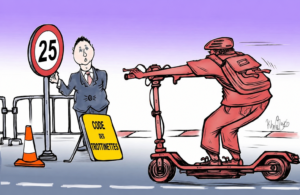
electric scooters face strict new regulations
The second decree addresses the booming trend of electric personal mobility devices, particularly electric scooters. To curb rising accidents and ensure public safety, the government has imposed stringent guidelines:
- Speed limit: capped at 25 km/h to prevent reckless riding
- Safety gear: mandatory use of certified helmets
- Audio restrictions: prohibition of headphones or earbuds to maintain situational awareness
- Age restrictions: children under eight years old banned from riding on public roads
- Child transport: specialized equipment required for carrying young children
These measures reflect Morocco’s proactive approach to adapting its legal framework to the rapid evolution of urban transportation. Authorities highlight that the reforms aim to strike a balance between fostering innovation and safeguarding road users.
The new regulations are expected to significantly reduce risky behaviors while supporting the growth of alternative mobility solutions in Moroccan cities. By setting clear rules, the government hopes to create a safer, more organized environment for both residents and visitors.
You may also like
Mali: at least 80 soldiers killed in deadly assault on Dioura camp
Côte d’Ivoire : le Burida redistribue 795,4 millions FCFA à 5 435 créateurs
Paris FC vs Lyon: kick-off time and TV channel for the Ligue 1 clash
Niger: does Tiani’s purge expose hidden fractures at the top?
Everest Finance dévoile Sama Naffa, une épargne à petits pas au Sénégal