As the Niger River faces historic lows, the government is accelerating plans for a groundbreaking desalination project in Niamey, a city where water scarcity has become a daily challenge for residents. With a projected annual capacity of 300 million cubic meters, this initiative marks a critical step in securing the nation’s water supply amid worsening drought conditions.
Partnerships and private sector involvement
The project, spearheaded by international water treatment leaders, aligns with government efforts to diversify water sources beyond the Niger River. Negotiations have resumed after a brief pause, focusing on sustainable financing models and long-term operational agreements. Key discussions include energy sourcing, with a strong emphasis on renewable power to minimize environmental impact and reduce operational costs.
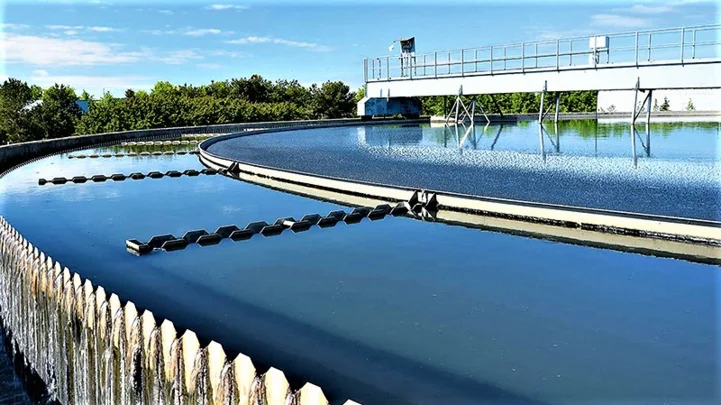
A recent agreement between Veolia and Nigerien authorities outlines a public-private partnership framework. Under this deal, the French multinational will handle every stage of development—from design and construction to a 35-year operation lease. The plant, situated along the Niger River’s edge near Niamey, is expected to deliver 822,000 cubic meters of potable water daily, enough to serve nearly 9.3 million people across multiple regions.
Addressing financial and operational hurdles
The project’s viability hinges on resolving key financial disagreements, particularly the cost of treated water. Authorities aim to finalize a pricing structure of 4.5 West African CFA francs per cubic meter, ensuring affordability while maintaining economic sustainability. Climate variability and fluctuating energy prices have added complexity to negotiations, but both sides remain committed to reaching a mutually beneficial arrangement.
This initiative follows a high-level meeting in Niamey, where government officials and international partners reviewed progress on critical infrastructure projects. The desalination plant is part of a broader strategy to enhance water security in Niger, a country where rapid population growth and climate change are intensifying pressure on existing resources.
Broader implications for West Africa
While Niger takes bold steps to combat water scarcity, neighboring nations are also exploring desalination as a solution. Projects in coastal cities like Dakar and Lomé are under consideration, reflecting a regional shift toward innovative water management. These developments underscore the growing role of desalination in ensuring food security and economic stability across West Africa.