While disinflation gains traction across Cameroon, the national average conceals a profoundly unequal price landscape. A report on inflation trends for May 2026 from the National Institute of Statistics (INS) reveals that five out of ten regional capitals recorded price increases surpassing the 3% tolerance threshold set for the CEMAC zone. This economic bloc comprises Cameroon, Congo, Gabon, Equatorial Guinea, Chad, and the Central African Republic. Nationally, the inflation rate stood at 2.7%, marking a significant reduction from the 3.3% registered a year prior.
Two-speed inflation across Cameroonian regions
The INS’s price hierarchy places Bertoua at the forefront, experiencing a 4.2% rise in general market prices. Following closely are Ngaoundéré (3.8%), Bafoussam (3.7%), Bamenda (3.6%), and Buea (3.2%). Yaoundé, the political capital, aligns precisely with the community’s benchmark at 3%. Conversely, other cities demonstrate more contained inflation: Garoua limited its increase to 2.1%, ahead of Douala (2.4%) and Ebolowa (2.6%). Maroua, the capital of the Far North, presents the most striking anomaly, with prices declining by 0.7% over the month.
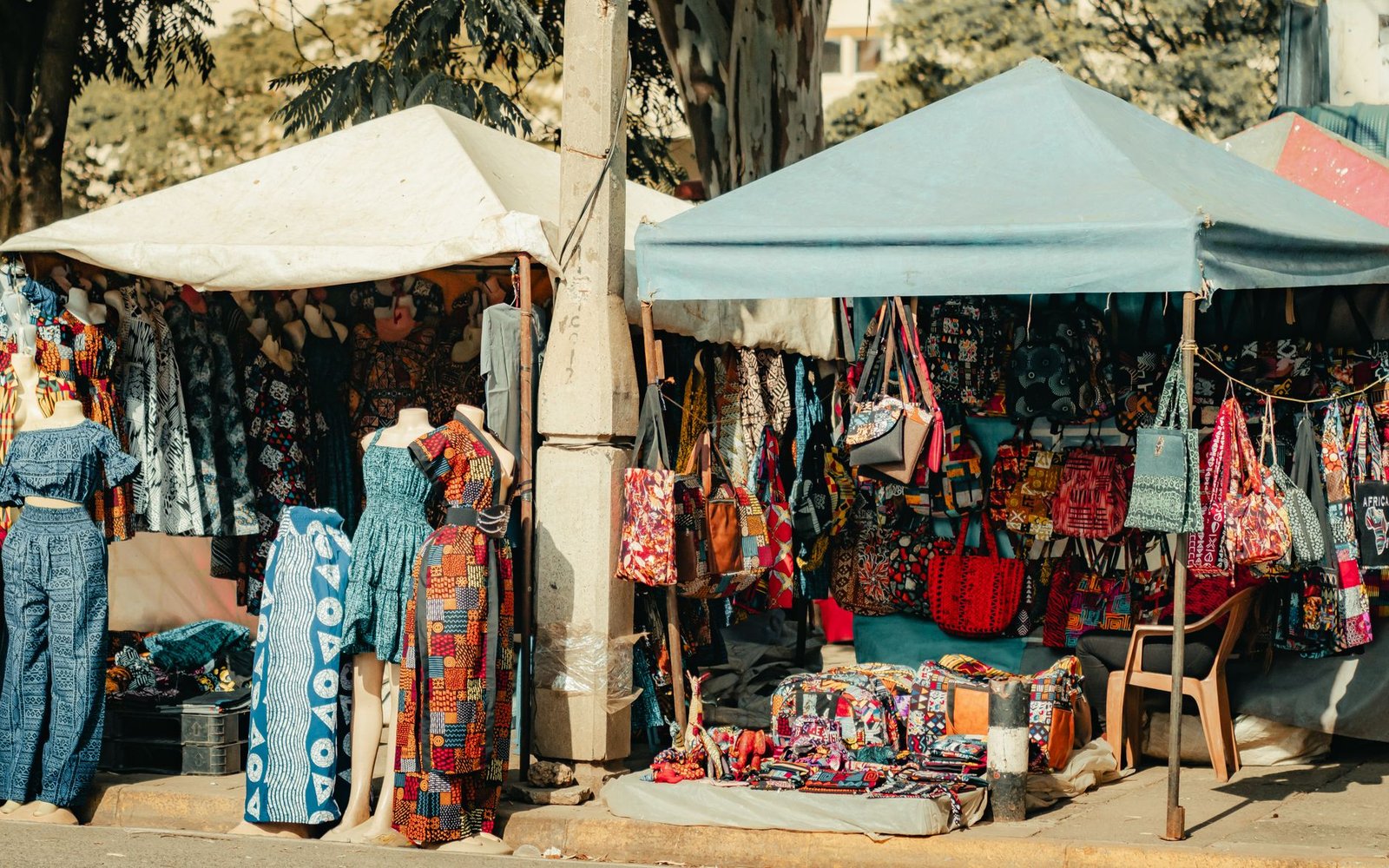
These pronounced variations, as highlighted by the institute, stem from deep-seated structural factors. These include fluctuating transport costs, an uneven availability of local produce, fragmented supply chains, and persistent logistical bottlenecks in specific areas. Essentially, price trajectories remain heavily influenced by the nation’s economic geography and the quality of infrastructure connecting production hubs to urban markets.
Security risks exacerbate price pressures
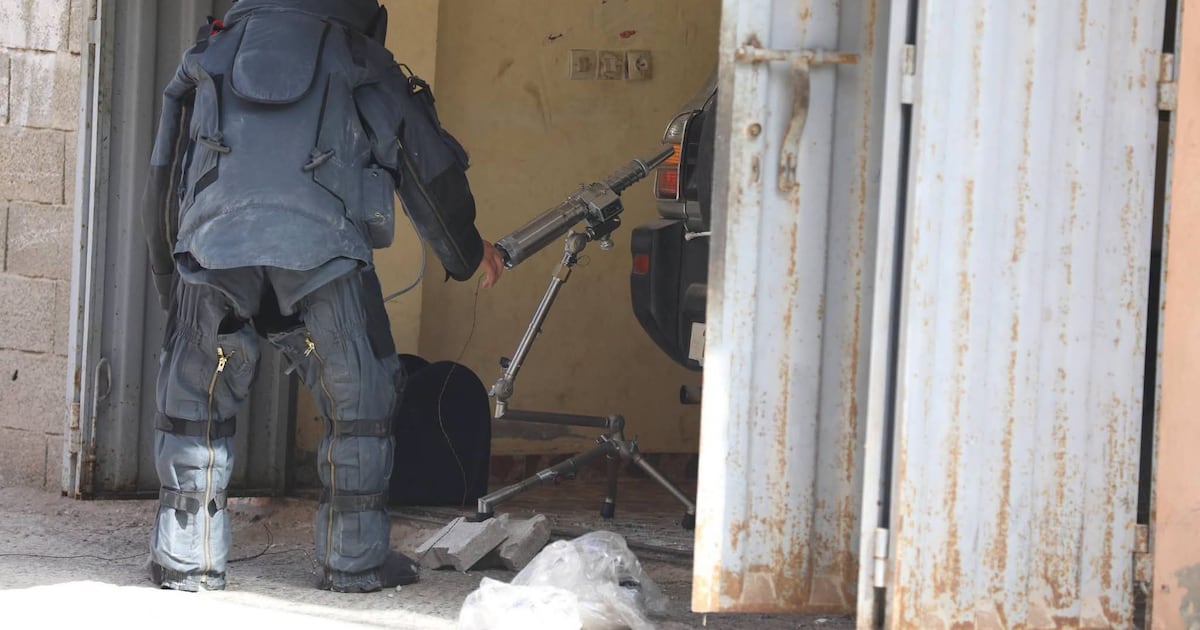
Beyond mere statistical analysis, the inflation map closely mirrors the country’s security challenges. Bamenda and Buea, the regional capitals of the Anglophone North-West and South-West, have endured the repercussions of a separatist conflict since late 2016. This ongoing strife severely disrupts agricultural production and commercial flows. Its effects frequently spill over into the neighboring West region, with Bafoussam serving as a primary commercial outlet. A similar dynamic unfolds in Ngaoundéré and Bertoua, capitals of Adamaoua and the East, respectively. These two regions face destabilization from recurrent incursions by armed groups originating from the Central African Republic and Chad, compounded by significant influxes of displaced populations.
In practical terms, insecurity drives up transportation expenses, diminishes marketable harvests, and compels intermediaries to increase their margins. A clear correlation emerges between areas of tension and inflationary surges, even if the relationship is not always straightforward or mechanical.
The Maroua paradox and the naira effect
However, the security-centric theory encounters a notable exception. Maroua, the capital of the Far North, has been the city most vulnerable to attacks from the Nigerian Islamist group Boko Haram since 2016. Despite this, it stands as the only one of the ten major cities surveyed to experience a price decrease in May 2026. The most plausible explanation lies in its proximity to neighboring Nigeria: the continuous depreciation of the naira renders imported goods, often entering through informal channels, exceptionally competitive against the CFA franc. This monetary differential acts as an inflationary buffer, transforming the porous border into a crucial relief valve for household purchasing power in the region.
On a macroeconomic scale, Cameroon is gradually navigating away from the period of economic strain that began in late 2021. After peaking at 4.1% in the first half of 2025, national inflation receded to 2.1% in April 2026 before a slight uptick to 2.7% in May. The annual comparison underscores this moderation: the overall price increase has been significantly reduced over twelve months, allowing the country to fall back below the community norm.
For the Bank of Central African States (BEAC), which manages monetary policy for the sub-region, this convergence towards the target offers renewed room for maneuver. Nevertheless, the persistence of localized inflationary pockets, particularly in areas vulnerable to security crises, serves as a stark reminder. Restoring nominal economic balances alone will not be sufficient to fully restore purchasing power across all regions of the country.