
A significant political incident has rocked Cameroon, with authorities investigating a high-profile case involving a fake presidential decree. This unfolding development, widely referred to as the “Baboke affair,” centers on allegations of fraudulent documents designed to appear as official presidential directives.
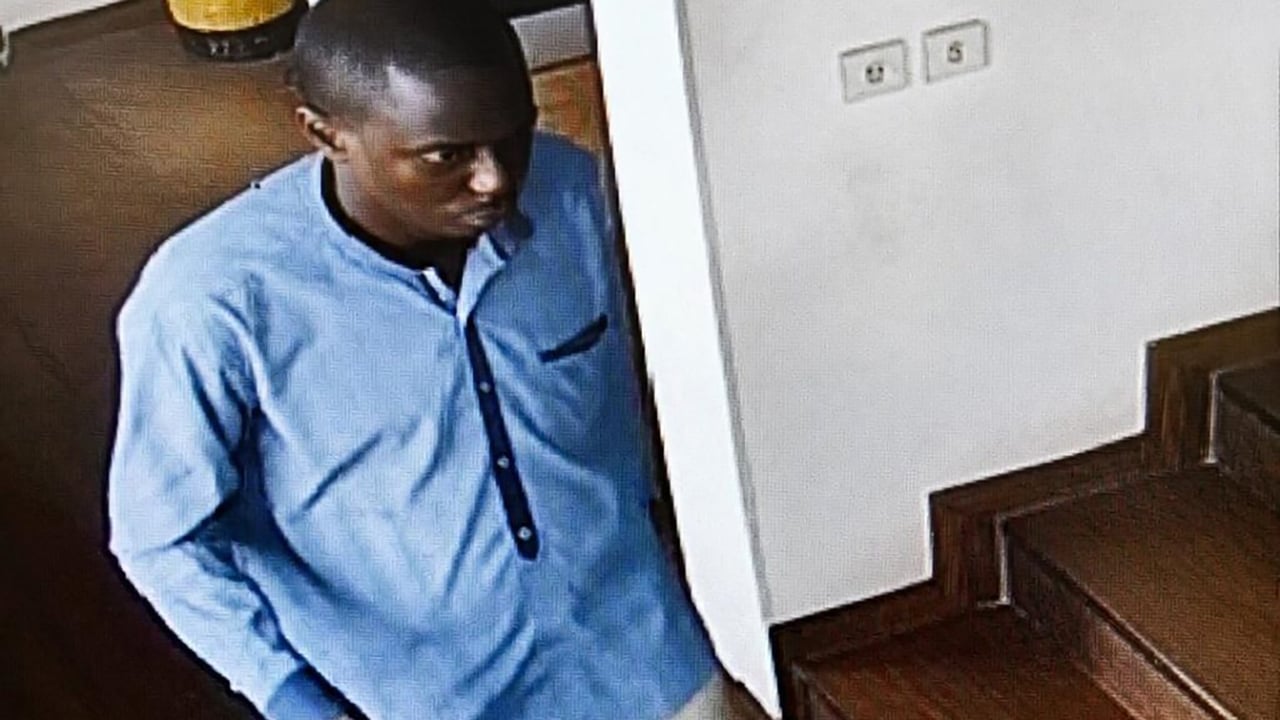
At the heart of this deception is Johann Sitchom, who was recently apprehended. Sitchom stands accused of attempting to disseminate these counterfeit documents, presented as legitimate presidential decrees, through the national broadcaster, CRTV. The audacious nature of this alleged plot has sent ripples through the nation’s political landscape, highlighting critical questions about internal security and the authenticity of official communications.
The investigation into this elaborate scheme is reportedly delving into the broader context of the “Baboke affair.” Such an incident naturally draws attention to key figures within the Cameroonian government. Names like Ferdinand Ngoh Ngoh, Secretary-General of the Presidency, and Samuel Mvondo Ayolo, Director of the Civil Cabinet, are often mentioned in discussions surrounding the nation’s highest political circles. Ultimately, the authority of President Paul Biya himself underpins the gravity of any attempt to falsify presidential decrees, underscoring the serious implications for national governance and public trust.