Niger’s government cracks down on exploitative media practices
The Republic of Niger has formally prohibited the production and dissemination of what sociologists term poverty pornography. This legislative move marks a significant shift in how human suffering may be depicted within the country, emphasizing ethical considerations over sensationalism. The decision directly challenges established content creation norms, particularly those employed by certain humanitarian organizations and digital creators.
The ethical dilemma of misrepresenting human suffering
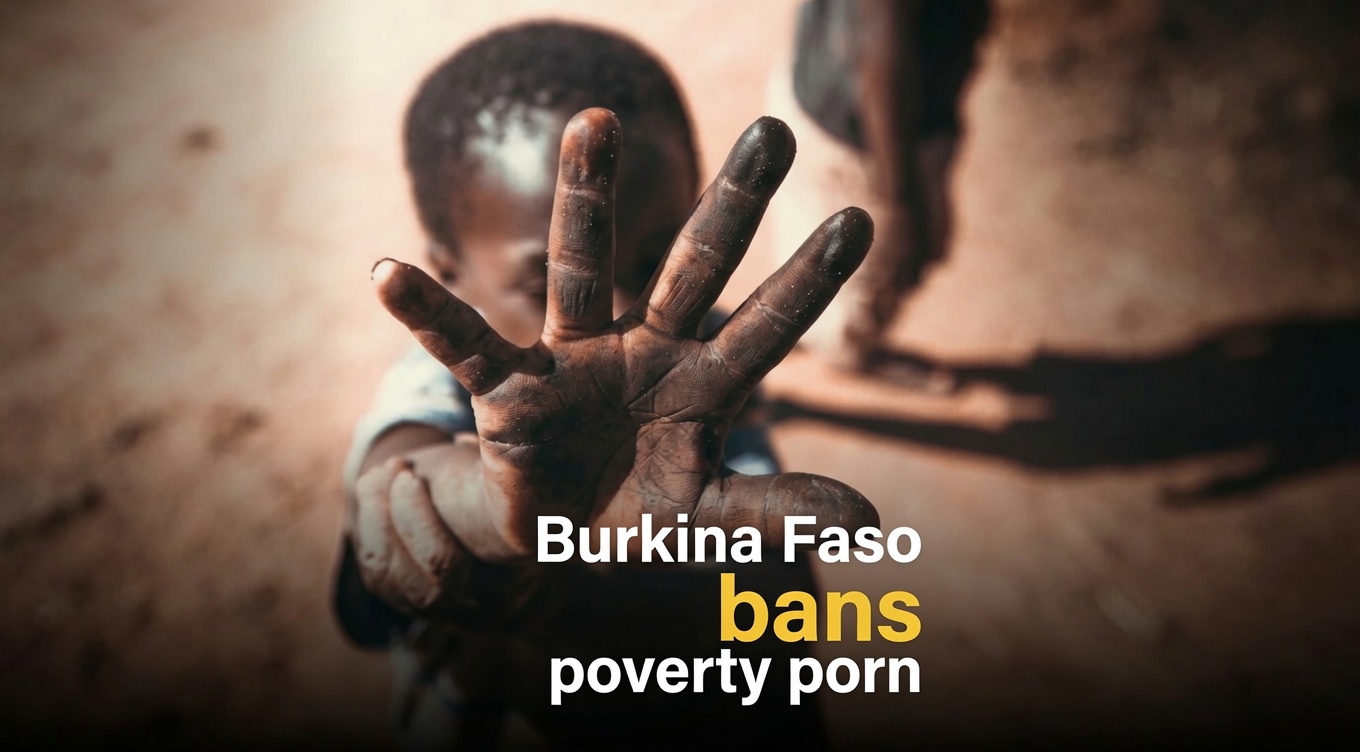
The proliferation of social media platforms has turned destitution into a commodity. A familiar pattern emerges: influencers and organizations capture distressing footage—malnourished children, internally displaced families, or communities facing extreme hardship—using close-up shots designed to evoke immediate emotional responses. While the stated goal may be fundraising or raising awareness, the approach raises serious ethical concerns by reducing individuals to passive objects of pity, stripping them of dignity and narrative agency.
Niger’s authorities have made it clear: such voyeuristic exploitation of human suffering will no longer be tolerated. The ban is not merely about protecting individuals’ dignity; it reflects a broader commitment to preserving the country’s global image amid a complex socio-political climate.
Balancing dignity with national narrative
Niger is navigating a delicate transitional period, and the unchecked circulation of images portraying the nation solely through the lens of hardship poses risks. Government officials argue that while the country’s challenges are real, their reduction to a one-dimensional narrative of helplessness undermines national sovereignty and fuels external stereotypes.
By regulating the depiction of poverty, the administration seeks to reclaim control over the national discourse. Critics counter that this measure may serve a dual purpose: while it aims to curb exploitative media practices, it could also function as a tool to obscure the severity of an ongoing humanitarian crisis. Internally displaced populations, communities under siege, and families struggling with food insecurity continue to endure extreme conditions—conditions that this law may inadvertently silence.
Rethinking humanitarian communication
The enforcement of this prohibition compels humanitarian actors and media professionals to rethink their communication strategies. How can urgent appeals for aid be made without resorting to sensationalism or violating new legal restrictions?
Experts advocate for a shift toward solution-oriented narratives and field-based journalism that highlights resilience and agency rather than vulnerability. A crisis can—and should—be documented with respect, ensuring that affected individuals are portrayed as active participants in their own recovery. This approach not only upholds ethical standards but also reinforces the narrative of a nation enduring hardship with dignity, refusing to be defined solely by its struggles.