Three years have passed since Niger entered a turbulent chapter under military rule, a period marked by unmet promises of restored sovereignty, enhanced security, and economic revival. What began as a declared turning point for the nation has instead plunged citizens into a deepening crisis, where political isolation and economic strain have become defining struggles.
Economic hardship grips the nation
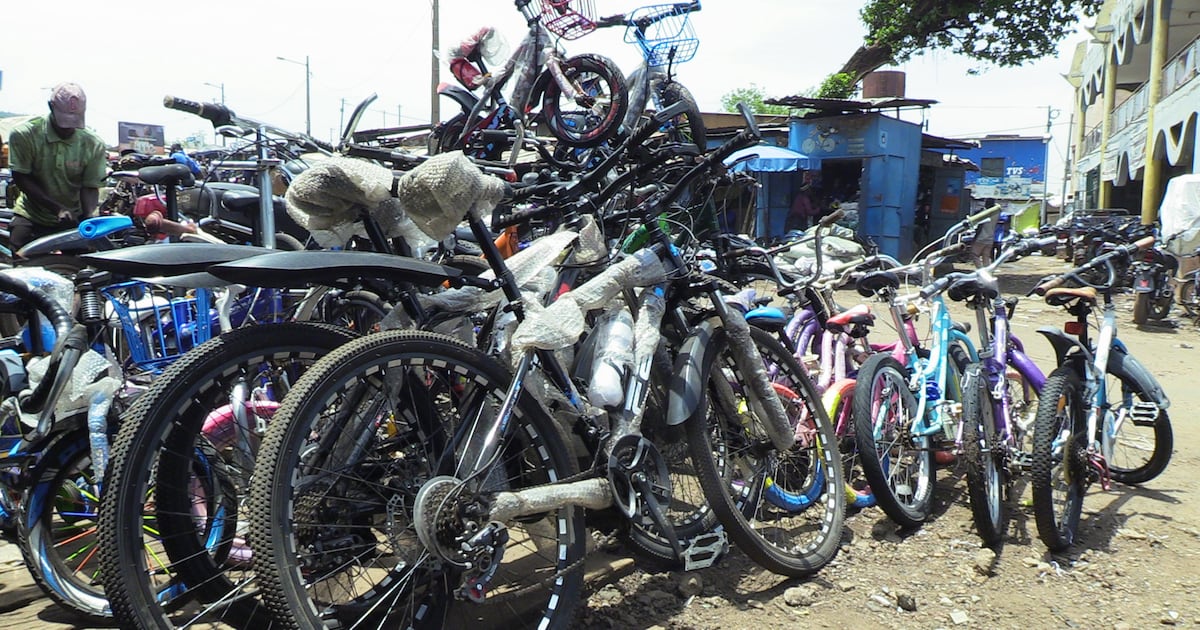
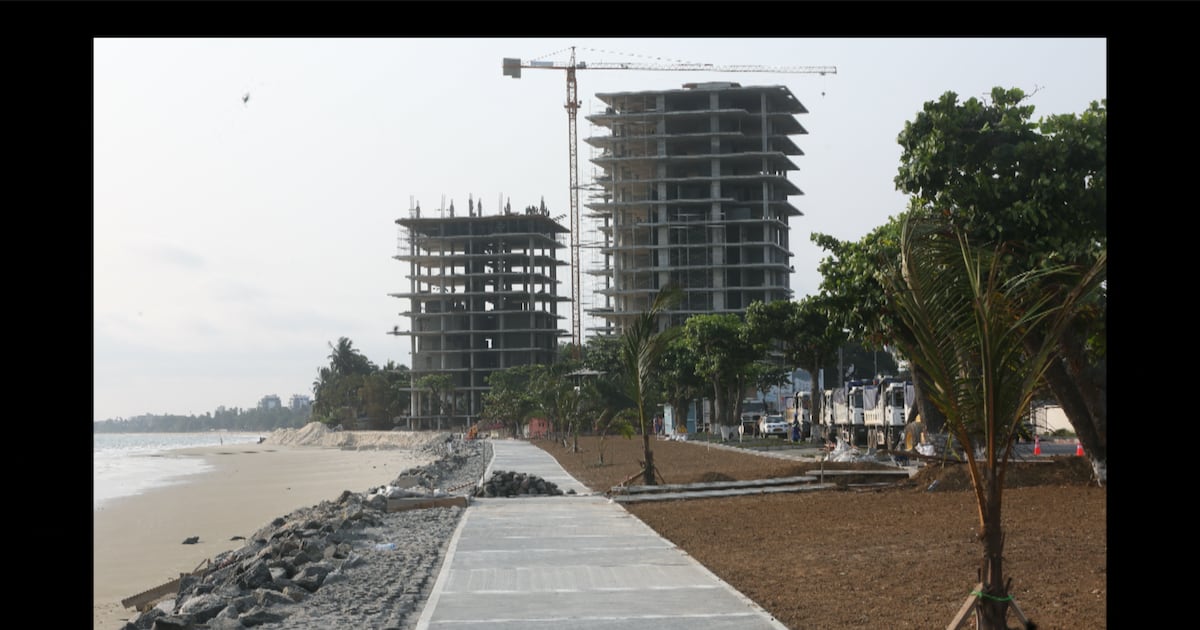
The consequences of this prolonged instability are visible across Niger’s economy. Trade disruptions with neighboring countries, coupled with reduced foreign investment and sanctions imposed in the early months of the junta’s rule, have stifled business activity. Factories have scaled back operations, small enterprises have shut down, and job opportunities have dwindled, leaving families grappling with shrinking incomes.
In local markets, the cost of essential goods—food, fuel, and basic supplies—has surged, eroding purchasing power and forcing households to make difficult choices. Farmers, traders, and local governments face mounting financial barriers, including restricted access to credit and a climate of uncertainty that discourages private investment. The result is a cycle of economic stagnation that shows no signs of easing.
A shrinking civic space
Beyond economic woes, Niger’s civic landscape has grown increasingly constrained. Human rights organizations report a tightening grip on public freedoms, with critics of the regime facing legal repercussions or detention. Independent journalists operate under heightened scrutiny, facing intimidation and professional restrictions that limit their ability to report freely.
Public gatherings are heavily restricted, and political opposition struggles to organize, leaving little room for dissent. In response, many citizens have chosen silence as a form of self-preservation, while others have fled the country in search of stability. The erosion of these fundamental freedoms has deepened public frustration, casting doubt on the junta’s commitment to inclusive governance.
Security challenges persist despite military rule
When the military seized power, restoring security was its primary justification. Yet, three years later, armed attacks continue to plague border regions, displacing communities and disrupting daily life. Villages in conflict zones face persistent threats, forcing residents into precarious living conditions where access to education, healthcare, and livelihoods remains scarce.
The ongoing violence has raised serious questions about the effectiveness of the junta’s counterterrorism strategies. Despite military reorganizations and new security partnerships, the threat landscape has not significantly improved, leaving populations in affected areas in a state of perpetual vulnerability.
Leadership under scrutiny
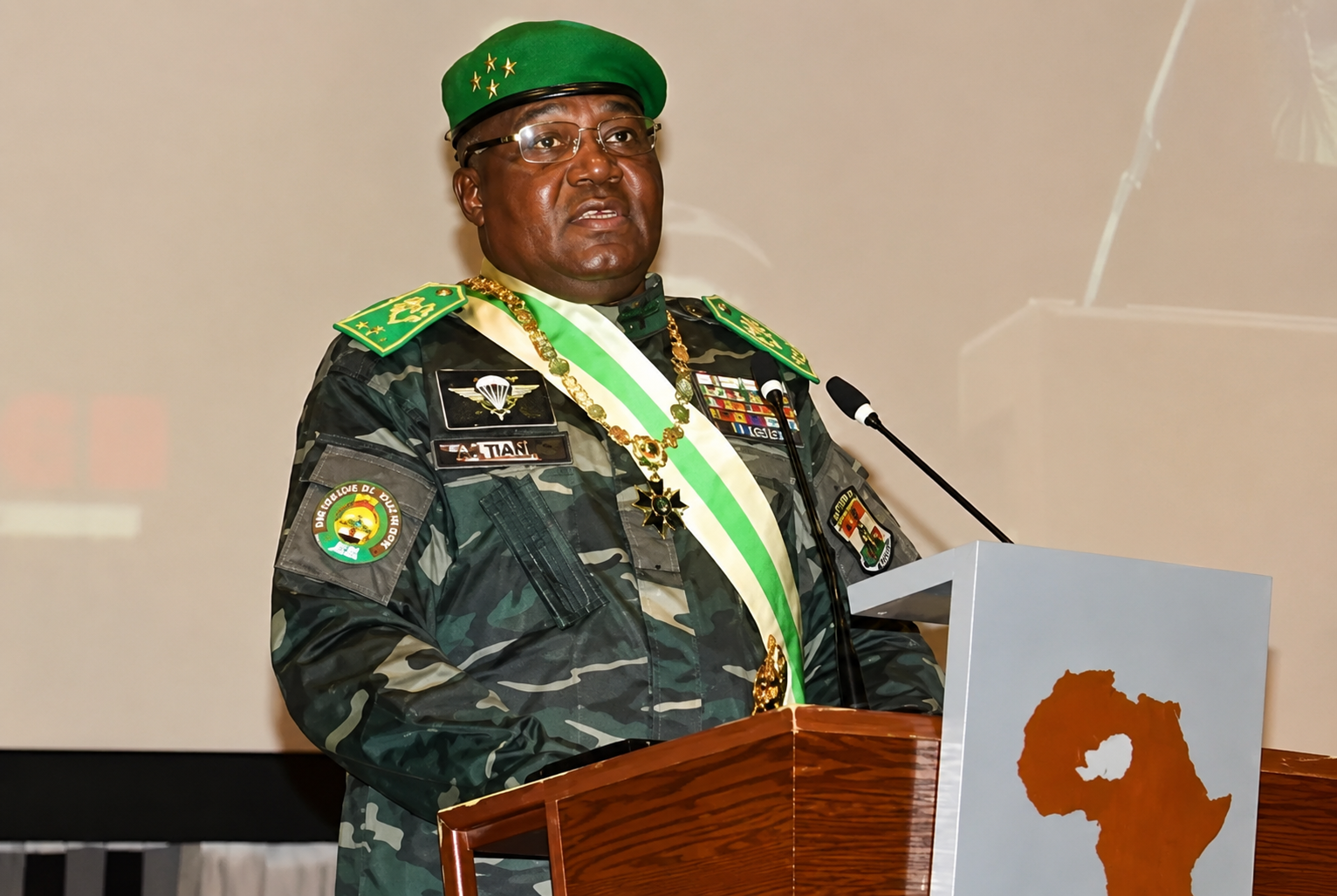
The junta’s recent public address by General Abdourahamane Tiani underscored the growing disconnect between official rhetoric and ground realities. Rather than outlining concrete steps to address economic or security crises, the speech focused on external threats and foreign actors, a narrative that analysts argue deflects from the regime’s inability to deliver on its core promises.
As dissatisfaction grows, more Nigeriens are shifting their focus from assigning blame to demanding tangible solutions. The prolonged absence of a clear roadmap for civilian transition has further fueled skepticism, with many questioning whether the military leadership can—or intends to—restore democratic governance.
A future mired in uncertainty
Three years into military rule, the gap between the junta’s initial promises and the harsh realities of daily life has never been starker. Economic fragility, soaring living costs, eroded freedoms, and unrelenting insecurity have left Nigeriens in a precarious position. For many, the urgent need is no longer political debate but survival—securing stable incomes, safe communities, and a future where progress feels attainable.
Calls for accountability, dialogue, and concrete action to address these pressing concerns are intensifying, reflecting a population that has grown weary of unfulfilled assurances and is demanding real change.