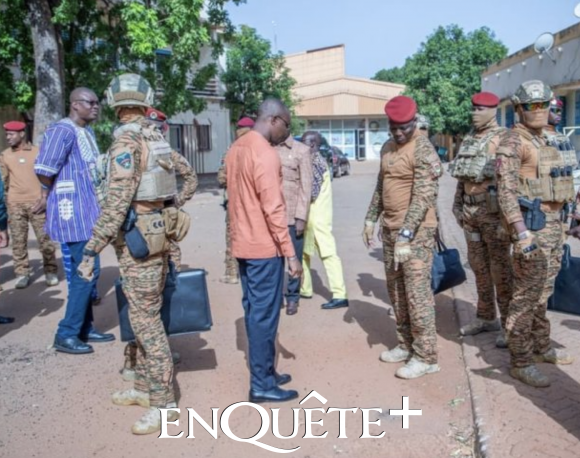
Mali is currently navigating one of the most critical periods in its contemporary history. General Assimi Goïta, who seized power through a coup in 2020 and solidified his rule with a second in 2021, had pledged to restore national security and sovereignty. However, six years on, his regime finds itself more vulnerable and precarious than ever before.
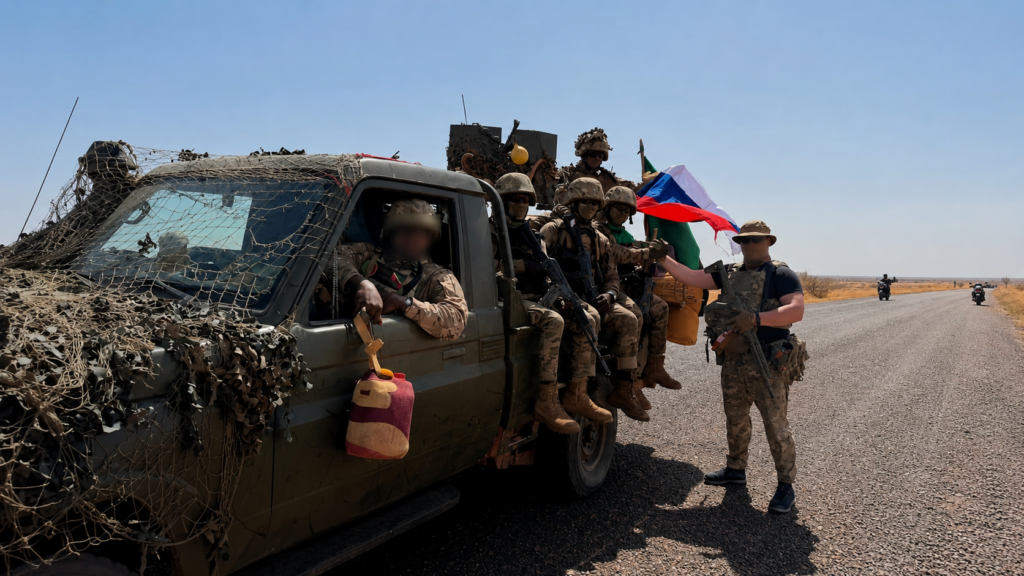
Les mercenaires d’Africa Corps missionnés pour protéger le régime militaire malien. Crédit photo : DROffensives highlight the regime’s vulnerabilities
The limits of populism and misguided national pride are now starkly evident in Mali. The harsh realities on the ground have confronted a regime that was once confident in its assertions. On April 25, coordinated assaults by the Group for the Support of Islam and Muslims (JNIM), an Al-Qaeda affiliate, and the Front de libération de l’Azawad (FLA) targeted numerous military positions, including those near the capital, Bamako. Tragically, Defense Minister Sadio Camara lost his life in these events. Furthermore, in the northern regions, strategic towns like Kidal and others have fallen beyond the Malian army’s control.
These recent offensives have undeniably exposed the deep-seated weaknesses of a government that had primarily based its legitimacy on the promise of territorial reconquest. This is a crucial development in the ongoing Mali security situation.
Sovereignty claims amidst escalating insecurity
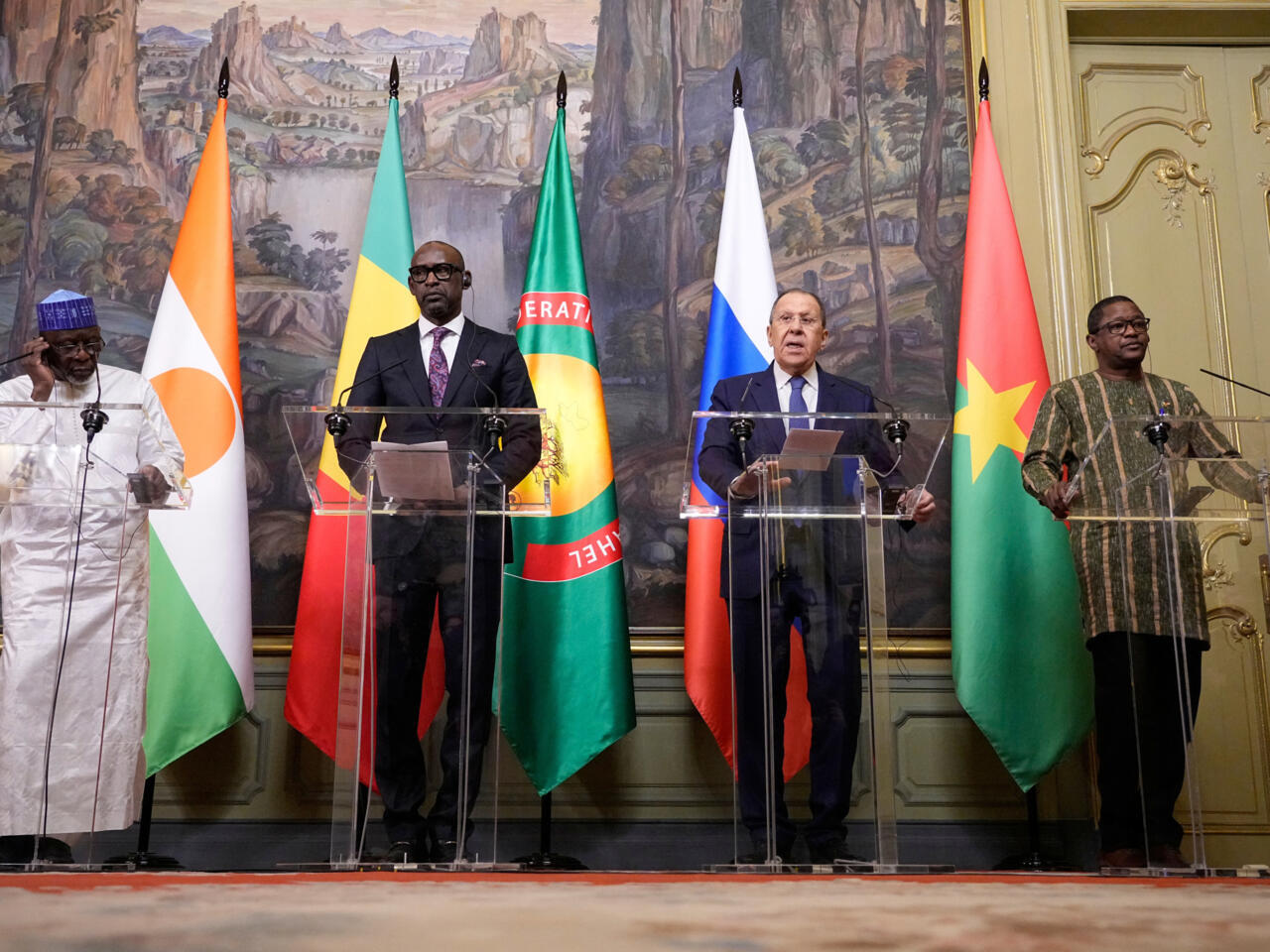
The military junta, led by the Assimi Goïta regime, had championed a vision of Mali as a nation fully in control of its destiny, a stance underscored by its break with France, the departure of MINUSMA, and its reliance on Russian mercenaries from Africa Corps. Yet, the current reality is grim: jihadist armed groups and Touareg rebels from the Front de libération de l’Azawad continue to expand their territorial influence. Bamako remains under palpable tension, and civilian populations are enduring immense suffering. The deployment of Africa Corps in Mali has not yielded the promised stability.
Beneath the rhetoric of national sovereignty, the regime has systematically consolidated authoritarian power. Political parties have been silenced, journalists face intimidation, and any form of dissent is swiftly labeled as an act of betrayal. This highlights the complex Mali politics today.
A regime besieged from within and without
Mali now finds itself in a tightening grip, having reached critical military and political junctures. Externally, jihadist forces continue to demonstrate an undiminished capacity for disruption and violence. Internally, the erosion of governmental authority and burgeoning military rivalries are fueling widespread uncertainty. This fragile situation contributes to the broader West Africa security challenges.
The initial promise of national salvation has devolved into a profound impasse. General Goïta, who sought to embody the restoration of state authority and Malian pride, now risks being remembered as the leader who presided over the nation’s fragmentation. The Mali military failure to secure key regions is a stark testament to this.