The political landscape in Sénégal recently witnessed a pivotal moment as President Bassirou Diomaye Faye officially enacted the revised electoral code. This significant legislative act, signed on Friday, May 15, 2026, followed days of intense national anticipation and widespread political discussions.
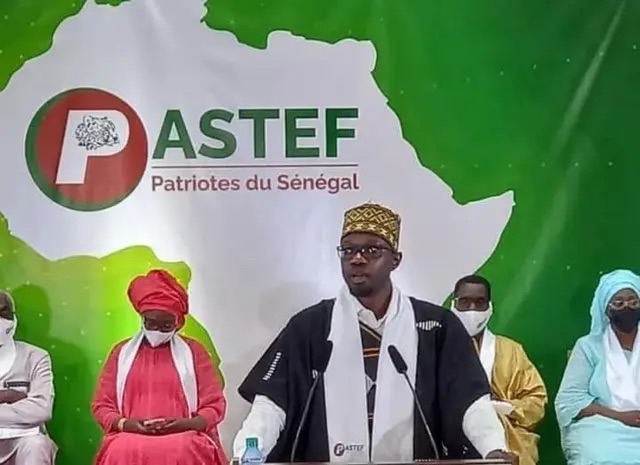
Many observers view this presidential signature as a substantial development, particularly benefiting the PASTEF party and its prominent leader, Ousmane Sonko. The promulgation reportedly occurred unexpectedly, bringing a definitive resolution to the numerous questions that arose after the National Assembly’s initial vote on the bill.
The President’s decision effectively concludes a period of uncertainty that spanned an entire week. This electoral dossier had previously ignited considerable legal and political contention, resonating across both opposition factions and the broader public discourse.
With the formal adoption of Law n°11/2026, which amends Sénégal’s electoral framework, authorities have temporarily moved past one of the most vigorously debated political issues of recent times. Nevertheless, the implications and varied interpretations of this reform are expected to continue shaping political discussions in the coming days.