Mass killings linked to army operations in Mali’s Ségou region
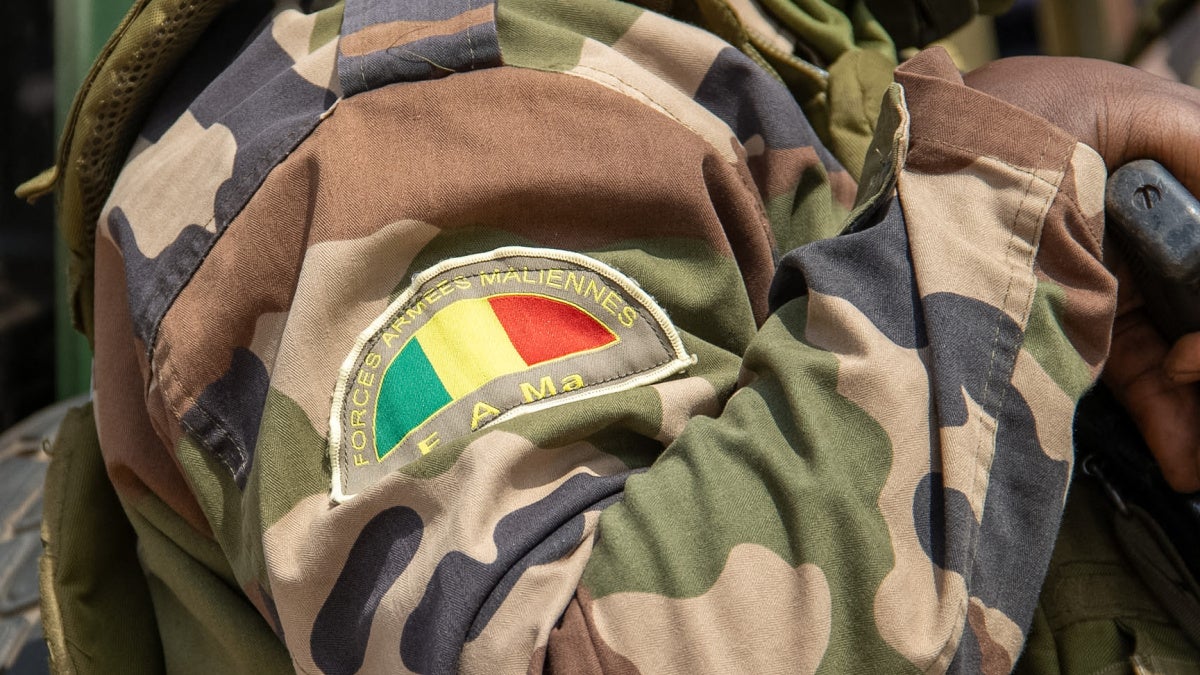
Human rights observers have documented at least 31 civilian deaths and widespread destruction in two villages during early October operations involving Malian armed forces and allied dozos militias. The incidents occurred in Kamona on October 2 and in Balle—55 kilometers away—on October 13, both located in an area under the influence of the Group for the Support of Islam and Muslims (GSIM).
Execution-style killings and village burnings
Witnesses reported that uniformed soldiers arrived in armored and pickup vehicles, accompanied by dozos on motorcycles, systematically rounding up and executing men. In Kamona, 21 men were killed, and at least 10 homes were set ablaze. Survivors described finding 17 bodies under a tree and four more north of the village, all showing signs of gunshot wounds. One witness recounted discovering victims with shattered skulls and bullet casings scattered nearby.
In Balle, soldiers and dozos killed 10 civilians, including a 55-year-old woman, and stole over 100 cattle. A 33-year-old resident later found the bodies lined up in the center of the village, some with broken limbs. The woman’s daughter testified that her mother confronted the attackers before being shot dead by soldiers.
Military denies targeting civilians, but villagers dispute claims
Mali’s military leadership issued a statement claiming a “reconnaissance operation” in Balle resulted in the “neutralization of around 20 terrorists” and the seizure of weapons. However, local residents insisted that the village has been under GSIM control for years, paying Islamic taxes and settling disputes through jihadist courts. They accused the army of indiscriminate violence, with one man stating, “They don’t distinguish between us and the fighters.”
Survivors and community leaders described similar patterns in both villages: soldiers and dozos accused residents of collaborating with armed groups, executed unarmed men, and torched homes—particularly those belonging to the Fulani ethnic group, whom they associated with GSIM.
Calls for accountability amid escalating violence
A senior Sahel researcher emphasized the need for credible, impartial investigations into the killings, urging Malian authorities to hold perpetrators accountable. The attacks followed a GSIM siege on Bamako in September, which disrupted fuel supplies and forced the closure of schools nationwide. The conflict has displaced over 400,000 people since 2012, with civilians increasingly caught in crossfire between state forces and armed groups.
International humanitarian law prohibits attacks on civilians, executions, and destruction of property. While Mali withdrew from the International Criminal Court (ICC) in 2025, it remains bound by the Rome Statute until 2026, during which time alleged war crimes could still be investigated.
The African Union has faced criticism for failing to take decisive action despite its mandate to promote peace and security. Analysts warn that without regional and international pressure, such atrocities will persist.