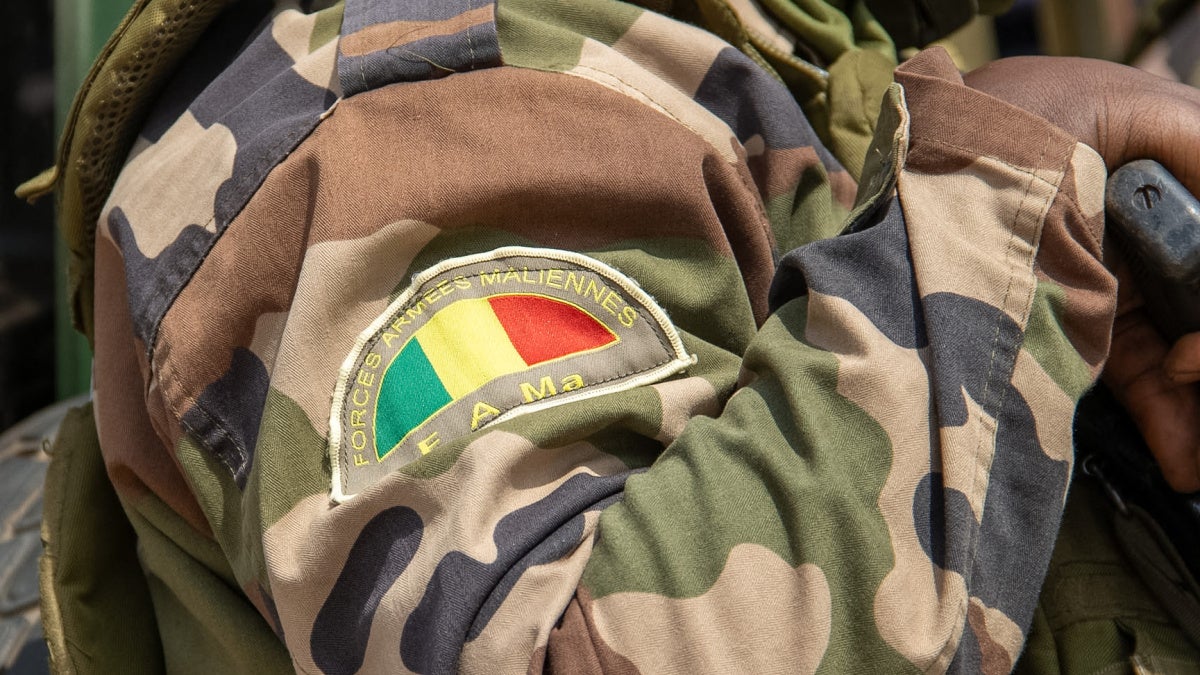
In the central Mali, soldiers and allied militias have been implicated in the deaths of at least 31 civilians during raids on two villages in the Ségou region. The incidents, occurring on October 2 and 13, have drawn condemnation amid ongoing conflict in the area.
On October 2, Malian troops accompanied by dozos—traditional hunters predominantly from the Bambara ethnic group—allegedly executed at least 21 men and set fire to 10 homes in Kamona. Witnesses reported that the dozos and soldiers, clad in camouflage and traditional attire respectively, stormed the village under the pretext of targeting suspected collaborators with the Group for the Support of Islam and Muslims (JNIM), an Al-Qaeda-linked faction controlling parts of the region.
Survivors recounted how soldiers and militiamen rounded up fleeing villagers, executing those unable to escape. No clashes between the army and JNIM fighters were reported, as the latter had reportedly withdrawn before the attack. Villagers provided names of the victims, all men aged 20 to 65, though locals suspect additional fatalities in nearby bushland.
« The October massacres in Ségou are among the latest atrocities linked to the Malian army and its allied militias, » stated a senior researcher monitoring the Sahel crisis. « Authorities must conduct transparent investigations and hold those responsible accountable through fair judicial proceedings. »
On October 13, another assault in Balle, 55 kilometers from Kamona, resulted in the deaths of nine men and one woman. Survivors described soldiers and militiamen arriving on five pickup trucks and 30 motorcycles, forcing some villagers to flee while others were subjected to beatings. Ten bodies were later found scattered in the village, with some victims showing signs of severe torture. The attackers also looted over 100 cattle.
A 21-year-old woman recounted how her 55-year-old mother was shot after confronting soldiers over their treatment of villagers. « She shouted at them, calling them out for their brutality, » the woman said. « They dragged her to where the men were gathered and executed her. »
Local residents, who have lived under JNIM control for years, explained that they pay Islamic taxes and rely on the group for dispute resolution, as government forces are absent. « The army doesn’t distinguish between us and the fighters, » a villager noted. « If they suspect collaboration, they punish indiscriminately. »
Since 2012, Mali has been embroiled in a conflict involving Islamist armed groups, resulting in thousands of civilian deaths and displacing over 400,000 people. Both state forces and armed groups have been documented committing grave abuses, including summary executions and arson. The recent violence follows JNIM’s siege of Bamako, which has crippled the capital’s fuel supply and prompted the military junta to suspend all schools and universities.
Under international humanitarian law, all parties to the conflict are obligated to protect civilians. Attacks on non-combatants, executions, and torture constitute war crimes. While Mali withdrew from the International Criminal Court (ICC) in September, it remains bound by the Rome Statute until 2026. The ICC has been investigating alleged war crimes in Mali since 2013.
The African Union has faced criticism for its limited response to the escalating crisis. Analysts urge the Peace and Security Council to prioritize Mali, intensify diplomatic efforts, and coordinate regional actions to ensure accountability for abuses by all parties.