The terms vary across Mali’s national languages—« bonya » (respect), « woro songo » (cola price), « buru songo » (bread price)—but the meaning remains the same: small, illicit gifts that grease the wheels of corruption. What begins as a seemingly harmless gesture often spirals into a widespread social tragedy, one that has taken root in the country’s institutions and daily life.
Understanding corruption’s deep roots in Malian society
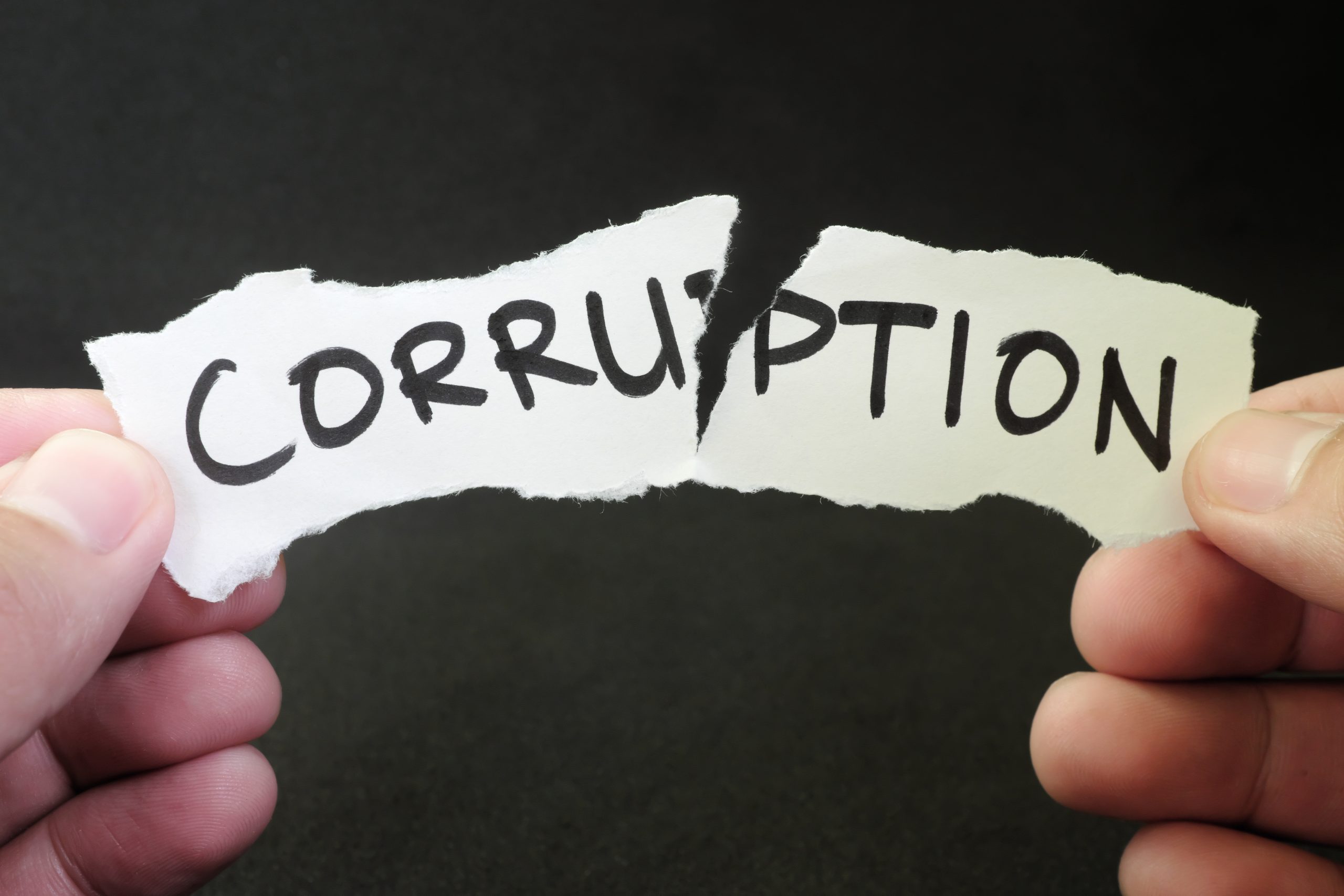
Transparency International defines corruption as « the abuse of entrusted power for private gain. » In Mali, this definition manifests in countless ways—from bribes demanded by public officials to favoritism in hiring and unfair advantages granted through personal connections rather than merit. While some acts may appear minor, their cumulative effect is devastating.
Myriam (a pseudonym), a marketing director in Bamako, shares her experience: « Every time I secure a contract, representatives from the contracting agency demand a percentage for themselves. It’s take it or leave it. » She admits she’s no longer sure how long she can sustain this pace. For her, this extortion has become so ingrained in business culture that it feels inescapable.
The issue extends beyond the corporate world. Omar Keita, an entrepreneur, recounts spending an entire day in line at a fuel station during a recent shortage caused by terrorist attacks on tanker trucks from Senegal and Côte d’Ivoire. Despite his patience, a pump attendant refused to serve him until he paid an extra 10,000 F.CFA. « I felt deeply wounded, » Keita admits, « yet this practice is so normalized that no one questions it anymore. »
Why society accepts corruption as ‘normal’
Sibiri Diarra, a retired international civil servant, highlights a stark contrast: in organizations like the United Nations, gift-giving is strictly regulated, with clear limits to prevent corruption. Yet even in such structured environments, scandals still occur. In Mali, where such rules are largely unknown to the public, the door is wide open for abuse.
Mohamed Abdellahi Elkhalil, a sociologist specializing in Sahelian social and security issues, argues that corruption in Mali has « infiltrated the very fabric of society. » He describes it as a « sociological normalization » rather than a cultural one, driven by the desire to live beyond one’s means. « When people feel pressured to maintain appearances, petty corruption becomes a survival strategy, » he explains.
Oumar Korkosse, a member of the Réseau des communicateurs traditionnels pour le développement au Mali (Recotrade), points to poverty and unemployment as catalysts. « Low or irregular wages force many to supplement their income through small corrupt acts. Even those who wish to act with integrity often have no choice but to comply, » he notes.
Corruption’s far-reaching consequences
According to a 2024 Afrobarometer survey, Malians perceive judges, businesspeople, civil servants, tax officials, and police officers as the most corrupt. Many citizens admit to paying bribes to access public services. The survey also reveals that corruption is most prevalent in public institutions, including health centers, schools, and law enforcement.
These findings align with Mali’s poor performance in global corruption rankings. In 2024, Transparency International’s Corruption Perceptions Index (CPI) gave Mali a score of 27 out of 100, placing it 135th out of 180 countries. The 2025 report shows only a slight improvement, with a score of 28 and a rank of 136. The World Bank’s 2023 Worldwide Governance Indicators further underscores the problem, ranking Mali at -0.86 for corruption control—a figure well below the global average of -0.04.
Me. Soumaré Boubacar, a lawyer at the Bamako Bar Association, warns of the dangers of normalized corruption: « When institutions lose credibility, people begin to see corruption as a survival tactic. If everyone is doing it, why shouldn’t I? »
Breaking the cycle: can Mali change its fate?
The Association Malienne de Lutte contre la Corruption et la Délinquance Financière (AMLCDF) emphasizes that addressing corruption requires more than legal or political reforms—it demands a moral awakening. « We need to build a citizenry rooted in ethics, responsibility, and respect for the common good, » the organization states. It advocates for civic education initiatives, religious teachings, and grassroots programs to foster integrity.
For drivers like Ousmane Diarra, a motorcycle taxi operator, the daily reality is exhausting. He claims police officers stop him five to six times a day, demanding payments of 1,000 to 2,000 F.CFA—regardless of whether he’s compliant with regulations. « It’s outrageous, » he says. « I spend most of my day pleading with officials just to do my job. »
The path forward is clear: Mali must confront this crisis not just as a legal issue, but as a societal one. Only through collective action—education, transparency, and accountability—can the country hope to dismantle the normalization of corruption and restore trust in its institutions.