Félix Tshisekedi has unexpectedly opened the door to an inclusive national dialogue in the Democratic Republic of Congo. This pivotal decision followed a meeting with religious leaders in Kinshasa, marking a significant turn in the country’s political landscape. The process, long demanded by opposition groups, now awaits formal activation through a presidential decree, the appointment of facilitators, and the establishment of a clear agenda and timeline.
Why the sudden change of course?
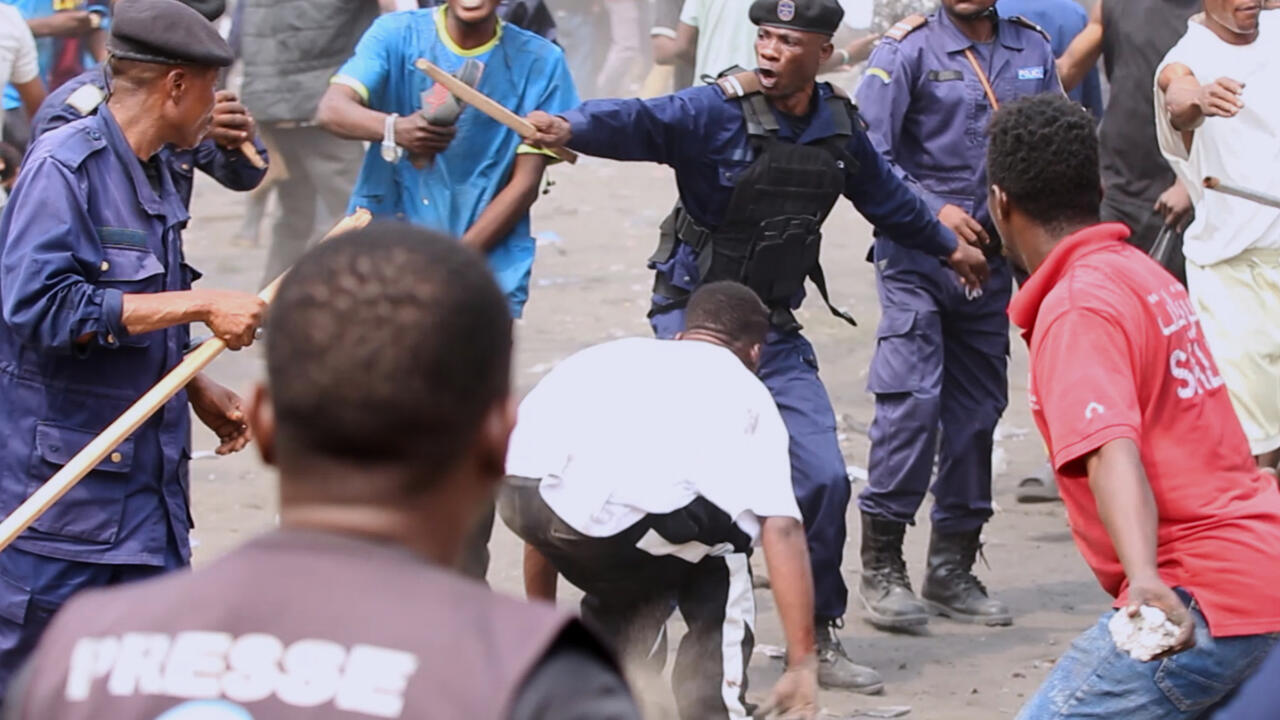
The president’s shift comes after persistent pressure from civil society and opposition platforms, particularly the C64 coalition. The coalition had threatened to hold mass protests on July 22 unless the government committed to a genuine national dialogue. By agreeing to the initiative, Tshisekedi appears to have bought time, prompting the C64 to postpone its planned demonstrations. However, the coalition has set an August 15 deadline for the president to make the dialogue a reality—a timeline that observers question given the complexity of the preparations required.
What’s next for the dialogue process?
While the president’s announcement is a positive signal, the road ahead remains challenging. The dialogue must be structured to ensure broad participation and meaningful outcomes. Key steps include:
- Presidential decree: Tshisekedi will need to issue an official order to launch the process.
- Facilitator selection: Neutral mediators must be chosen to guide discussions.
- Mandate and agenda: Clear terms of reference and a structured timeline will be essential to maintain momentum.
- Stakeholder engagement: All political factions, civil society, and religious groups must be included to ensure legitimacy.
The success of this initiative will depend on the president’s ability to follow through with concrete actions. Failure to meet the August 15 deadline could reignite tensions and lead to renewed protests.
Reactions from civil society and opposition
The C64 coalition has cautiously welcomed the president’s announcement but remains vigilant. While the postponement of protests provides temporary relief, the coalition’s ultimatum reflects the deep skepticism surrounding Tshisekedi’s commitment to genuine reform. Civil society leaders emphasize that the dialogue must address pressing issues such as constitutional reform, electoral transparency, and governance challenges.
The coming weeks will be critical in determining whether this dialogue becomes a turning point for the Democratic Republic of Congo or another unfulfilled promise.