Sénégal’s political reshuffle: a strategic pivot or a gamble?
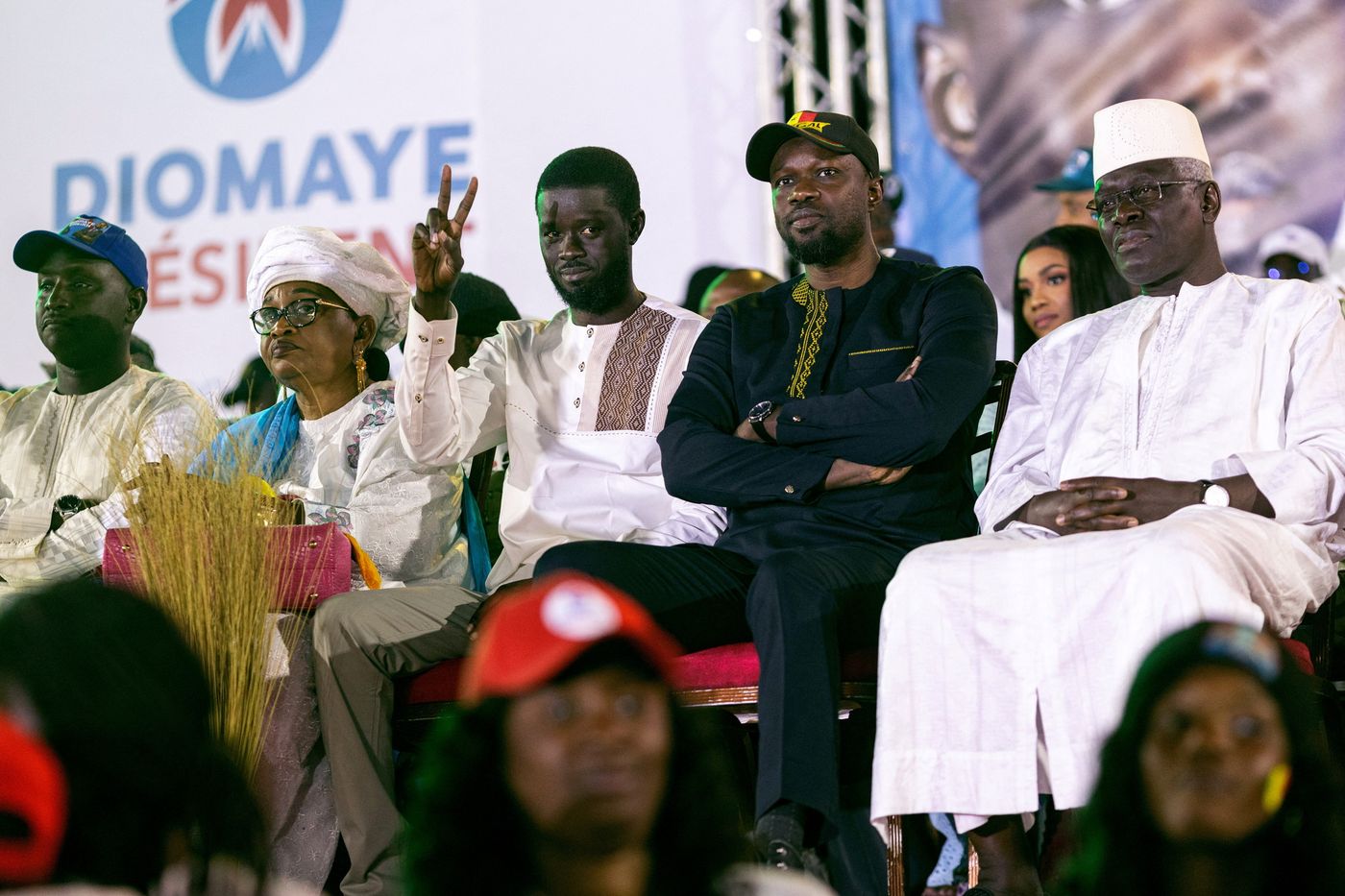
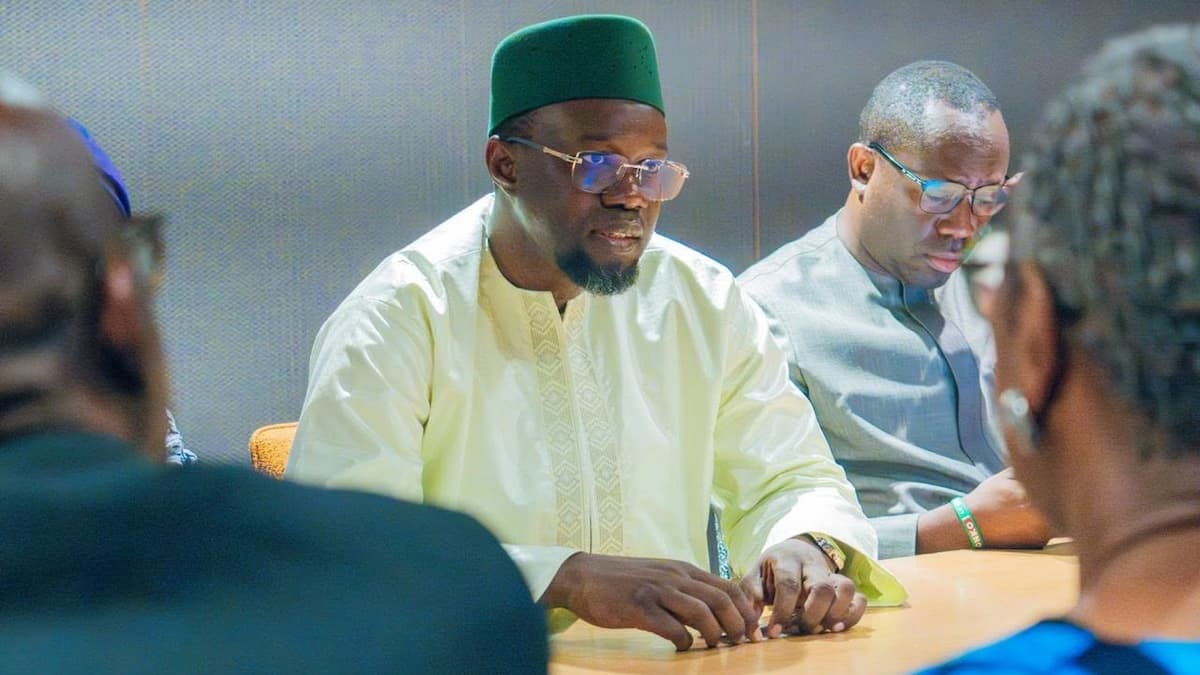
In less than a week, Sénégal witnessed a seismic shift in its political landscape. On May 22, President Bassirou Diomaye Faye removed then-Prime Minister Ousmane Sonko from office. By May 26, Sonko had been elected President of the National Assembly, while Ahmadou Alhaminou Mohamed Lô took the helm as the new head of government. Local observers describe this as “an unprecedentedly rapid political sequence”, marked by a noticeable realignment of power dynamics.
Economic crisis looms as debt spirals beyond control
Amid this political turbulence, Sénégal finds itself teetering on the brink of a financial catastrophe. Economic analyst Abdoulaye Ndiaye issued a stark warning, describing the nation as “on the edge of a financial precipice”. With a staggering public debt exceeding 132% of GDP and debt servicing becoming increasingly precarious—fueled by soaring energy costs from the Strait of Hormuz blockade—every decision now carries monumental consequences.
Could a pro-FMI stance ease the financial storm?
Previously, the Patriotic Africans of Sénégal for Work, Ethics, and Fraternity (Pastef) party had firmly resisted the International Monetary Fund’s (IMF) recommended economic restructuring. However, political observers suggest that the recent appointments may signal a more accommodating stance. Could this shift pave the way for IMF-backed reforms to stabilize the economy, or will it deepen the crisis further?