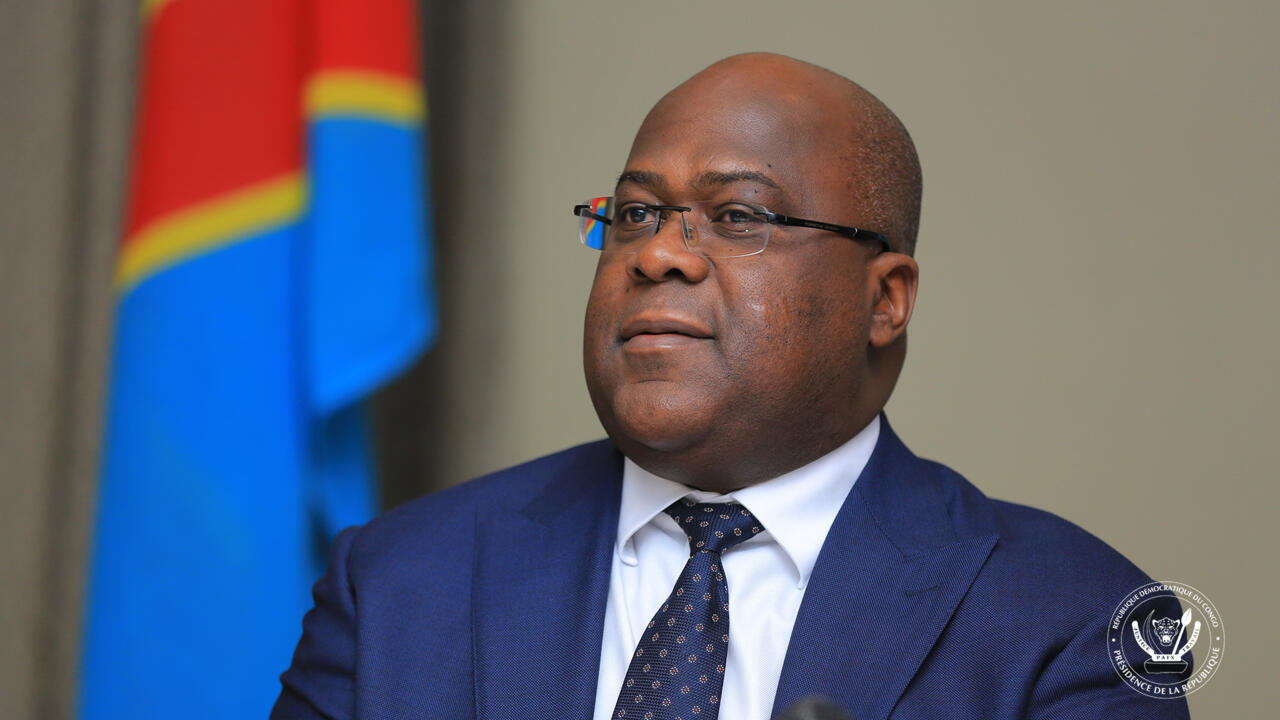
In the Democratic Republic of Congo (DRC), opposition groups have called for the cancellation of a planned march this Wednesday, intensifying their opposition to President Félix Tshisekedi’s potential third term. The coalition insists that the national dialogue, announced by the president, must begin before August 15. What do you make of this ultimatum? What outcomes do you anticipate from this high-stakes political gathering?
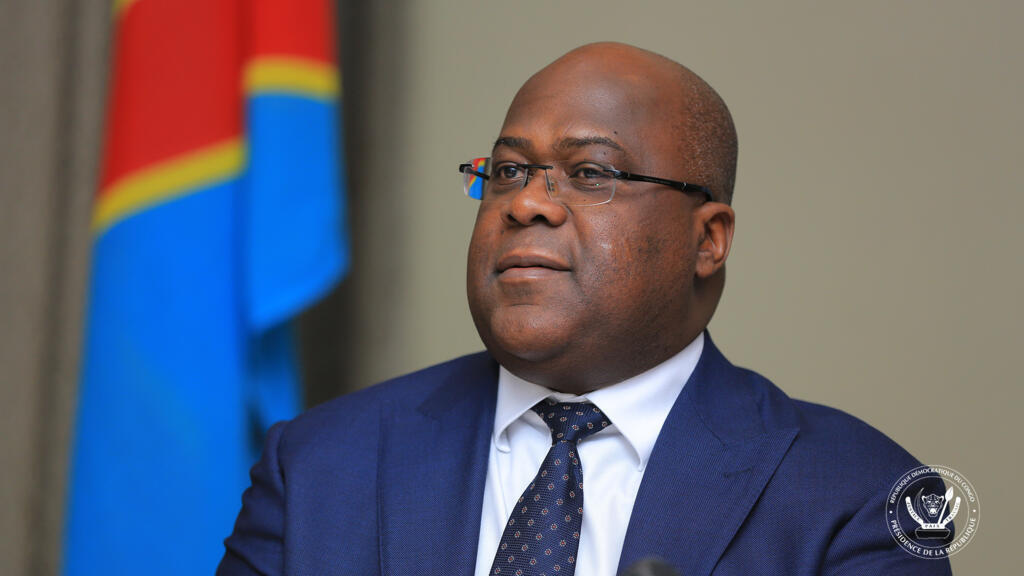
why the opposition is pushing back against a third term
The opposition’s decision to postpone the march reflects growing unease over President Tshisekedi’s projet de troisième mandat, which critics argue violates constitutional limits. The coalition is demanding that the national dialogue—a process touted as a platform for reconciliation—be convened immediately. Their firm stance underscores deep divisions in the country’s political landscape.
what the national dialogue could (and should) achieve
The timing of this dialogue is critical. With tensions running high, the president’s initiative must address key concerns:
- Constitutional clarity: Will the dialogue establish clear benchmarks to prevent future disputes over term limits?
- Inclusive participation: Can all major political factions, including marginalized groups, have meaningful input?
- Security guarantees: How will the process ensure the safety of participants and prevent escalation?
- Implementation roadmap: Will there be a concrete plan to turn outcomes into action?
These questions are vital for restoring public trust and averting further unrest.
the road ahead: dialogue or confrontation?
As the August 15 deadline looms, the stakes couldn’t be higher. The opposition’s ultimatum signals a willingness to escalate if their demands aren’t met. Meanwhile, President Tshisekedi faces pressure to deliver a dialogue that’s transparent, credible, and capable of bridging divides. The coming weeks will reveal whether this process can unite a fractured nation—or deepen its divisions.