Published today at 7:25 PM Reading time: 4 minutes.
File generated on
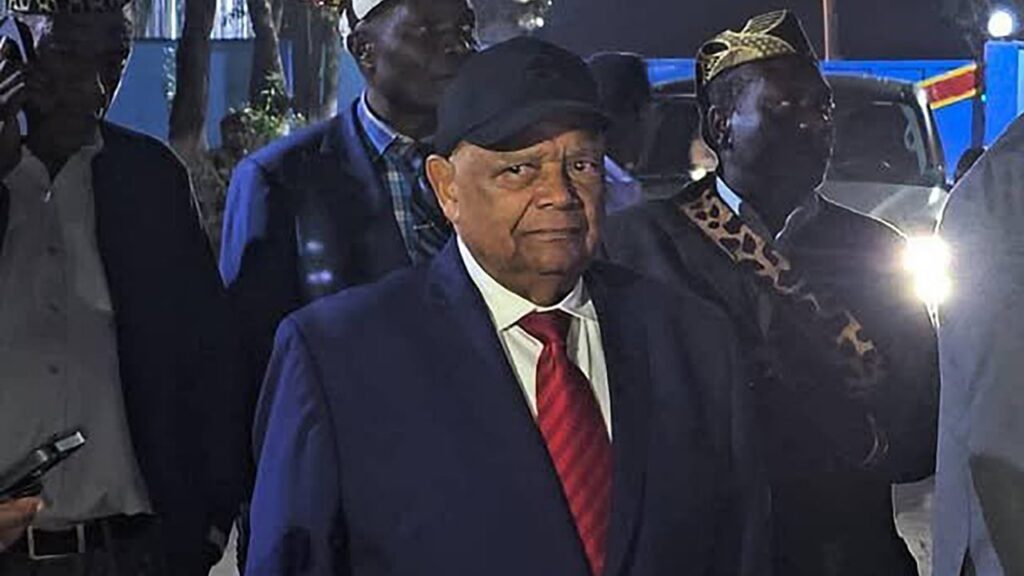
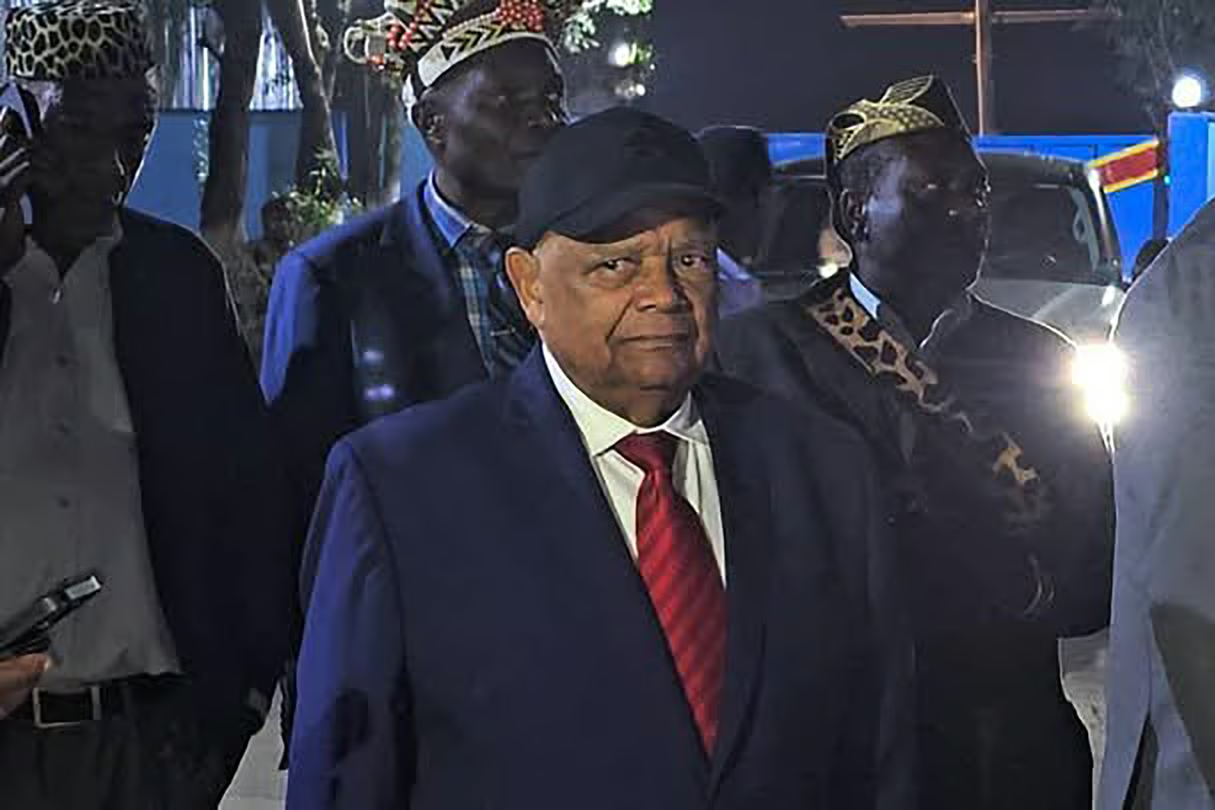
Raphaël Katebe Katoto, brother of prominent businessman and politician Moïse Katumbi, has emerged as a significant figure in the Democratic Republic of the Congo’s political arena. His recent appointment as an envoy of President Félix Tshisekedi in the Haut-Katanga region underscores his growing influence and strategic role in shaping regional dynamics.
From Kinshasa to the Haut-Katanga: a strategic deployment
Katebe Katoto’s mission in Haut-Katanga highlights the government’s focus on consolidating stability and fostering development in a region critical to the DRC’s economic and political landscape. The Haut-Katanga, rich in mineral resources, remains a key area for national growth and international investment, making it a priority for Tshisekedi’s administration.
The emissary’s presence in Lubumbashi on July 29, 2026, signals a proactive approach to addressing local challenges while leveraging the region’s potential. Observers note that his appointment aligns with broader efforts to strengthen governance and economic ties in the southern provinces.
The Katumbi family: a political powerhouse
The Katumbi family’s involvement in Congolese politics is well-documented, with Moïse Katumbi himself a former governor of Katanga and a leading figure in the opposition. His brother’s role as an envoy reflects the family’s enduring influence and their ability to navigate the complex political terrain of the DRC.
Raphaël Katebe Katoto’s appointment also underscores the delicate balance between political alliances and regional interests. His position bridges the gap between Kinshasa’s central policies and the Haut-Katanga’s local realities, ensuring that the region’s concerns are represented at the highest levels of government.
Implications for the DRC’s political future
Katebe Katoto’s mission is not merely symbolic; it carries significant implications for the DRC’s political future. By positioning a trusted emissary in a key region, President Tshisekedi is reinforcing his commitment to inclusive governance and regional development. This move could also serve as a precursor to broader political strategies aimed at unifying the country’s diverse factions.
The Haut-Katanga, with its strategic importance, will likely see increased attention from both the government and international partners. Katebe Katoto’s role in this context could pave the way for new initiatives aimed at economic revival and social cohesion in the region.
Challenges ahead
Despite the optimism surrounding his appointment, Katebe Katoto faces considerable challenges. The Haut-Katanga’s complex socio-economic landscape, coupled with ongoing security concerns, demands careful navigation. His success will depend on his ability to foster collaboration between local stakeholders and the central government while addressing the region’s pressing issues.
The coming months will be critical in determining the impact of his mission. As the DRC continues to grapple with political and economic hurdles, the role of emissaries like Katebe Katoto will be pivotal in steering the country toward stability and growth.
You may also like
Cameroon’s Thali oil permit: what Prime Global Energies’ 42.5% stake means for jobs, revenue and the stalled NJOM-3 well
What the Entente Council–UNOWAS pact means for daily life in West Africa
What Togo’s mediation push means for families and businesses in eastern DRC
How northern Nigeria’s kidnapping economy is bleeding rural communities dry
Benin’s growing security network: what new cooperation with Algeria means for citizens and the economy