Minister Kambilé breaks silence on controversial FBI presence in Ivory Coast’s justice system
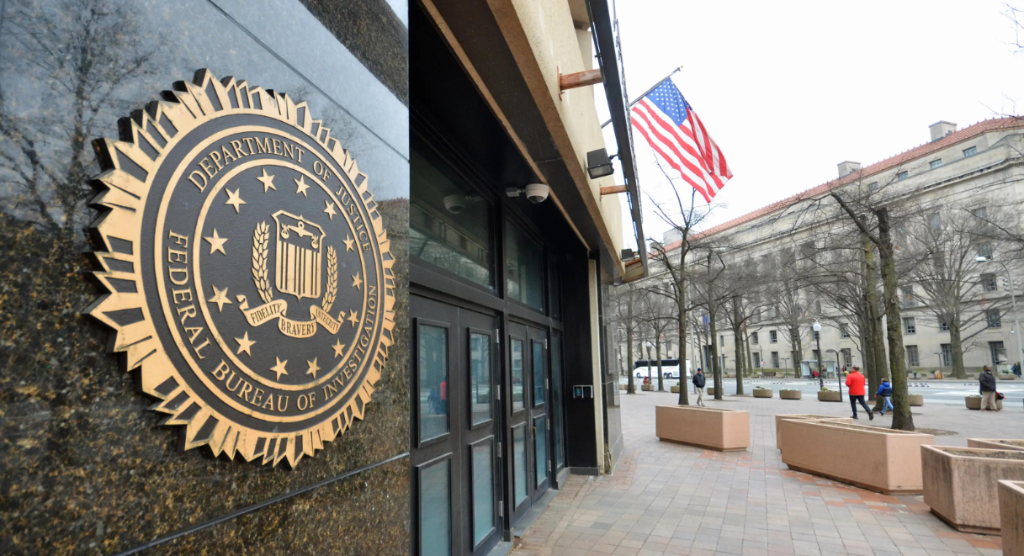
The arrival of agents from the United States Federal Bureau of Investigation (FBI) at the Economic and Financial Crimes Unit (EFCU) in Abidjan has sparked intense debate across Ivory Coast. This development comes amid growing concerns over its potential implications for national judicial sovereignty, particularly following reports suggesting links to corruption within the specialized court. Justice Minister Jean Sansan Kambilé has now addressed these concerns, clarifying the true purpose behind the American investigators’ presence.
Why the FBI is in Ivory Coast: Combating transnational cybercrime, not targeting magistrates
Contrary to some interpretations, Minister Kambilé emphasized that the FBI’s role is not to investigate Ivorian judges or prosecutors. Instead, the American agents are in Abidjan to collaborate with local authorities in dismantling cybercrime networks, specifically those behind sextortion and money laundering operations. Since their deployment, nearly a dozen individuals have been identified, arrested, and brought to trial, according to the minister’s statements.
Speaking on the record, Kambilé stated, “The FBI is here because American citizens have been targeted from Ivorian soil. Their assistance has helped us apprehend suspects involved in these crimes.” This cooperative effort underlines a broader shift in Ivory Coast’s approach to tackling criminal networks that transcend borders.
The sextortion menace: how cyber extortionists are exploiting digital vulnerabilities
At the heart of the FBI-Ivory Coast partnership is the fight against sextortion—a rapidly growing form of cybercrime that inflicts severe emotional and financial damage on victims. Perpetrators create fraudulent social media profiles, grooming victims over time before coercing them into sharing explicit content. Once obtained, the offenders threaten to release the material publicly unless monetary demands are met.
In one tragic case cited by the minister, an American victim reportedly took their own life following relentless extortion. This incident underscores the urgency of coordinated action between both nations to identify and prosecute offenders.
A joint task force: blending local expertise with international investigative power
To formalize this collaboration, a dedicated joint investigative team—dubbed the Anti-Sextortion Task Force—has been established at the EFCU. This unit includes Ivorian magistrates, prosecutors from both countries, economic crime investigators, and FBI agents. Its dual mandate covers sextortion and money laundering, both of which often intersect in sophisticated transnational fraud schemes.
The minister confirmed that this initiative has already yielded tangible results. To date, twelve individuals have been arrested and prosecuted, with several still in custody. Additionally, FBI personnel and American prosecutors have conducted multiple on-site visits and held high-level meetings with Ivorian judicial leaders to refine investigative strategies.
Separating fact from fiction: addressing corruption claims once and for all
Earlier media reports had alleged that the FBI was involved in uncovering a corruption ring within the EFCU and that a national gendarmerie investigation was being influenced by U.S. intelligence. However, the Ministry of Justice has categorically denied these claims, insisting that no such investigation—or any formal request from American authorities concerning internal judicial misconduct—has ever taken place.
The minister emphasized that the FBI’s mandate in Ivory Coast is strictly limited to supporting the fight against cybercrime and financial crimes, not probing local magistrates. “The cooperation between Ivory Coast and the United States is focused solely on transnational criminal networks,” he stated. “No foreign interference in the internal affairs of our judicial system is tolerated.”
Sovereignty in question: how much authority do FBI agents have in Ivorian courts?
While the partnership has yielded concrete arrests and convictions, significant questions remain regarding the limits of foreign investigative authority within Ivory Coast’s judicial framework. The presence of U.S. agents at a national court does not automatically grant them autonomous investigative powers. Clarity on the legal framework governing their involvement is crucial to maintaining public trust and ensuring constitutional integrity.
The Ministry of Justice has stressed that all actions taken by FBI personnel are conducted under strict oversight and in full compliance with Ivorian law. They function in an advisory and collaborative capacity rather than as independent prosecutors. However, critics argue that even limited foreign involvement risks undermining national judicial sovereignty, particularly in sensitive investigations.
Measurable impact: how this partnership strengthened Ivory Coast’s standing globally
Despite the ongoing debate, the government points to measurable progress as evidence of the partnership’s value. Through coordinated efforts, Ivory Coast has made significant strides in combating financial crime, including its recent removal from the Financial Action Task Force (FATF) grey list—a move that enhances the country’s economic reputation and attractiveness to foreign investors.
The minister highlighted that this collaboration has not only disrupted criminal networks but also reinforced the integrity of Ivory Coast’s justice system. “Our cooperation with the FBI is not about surrendering sovereignty—it’s about asserting it more effectively against global threats,” he noted.
Weighing security and sovereignty: the deeper implications of foreign judicial aid
As Ivory Coast navigates the challenges of digital-age crime, the FBI’s presence raises a fundamental question: Can a nation enhance its security against cyber threats without compromising its judicial independence? This dilemma reflects a broader global struggle—how to balance international cooperation with the preservation of national autonomy, especially when powerful allies offer critical investigative support.
For now, the Ivorian government appears committed to this partnership, asserting that the benefits in crime reduction and international credibility outweigh the risks. Yet, as the debate continues, it remains to be seen how long the delicate balance between collaboration and sovereignty can be maintained without further strain.