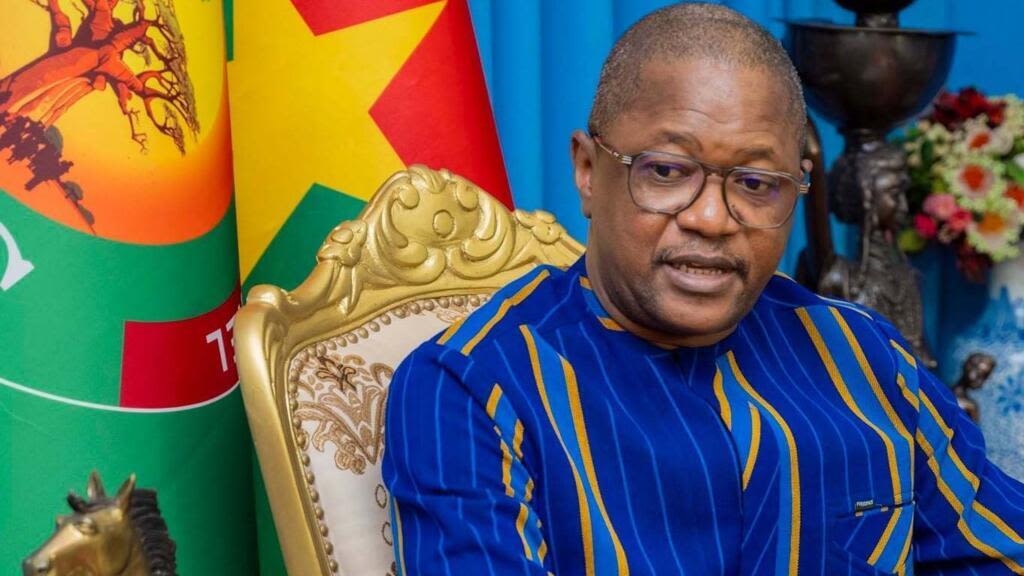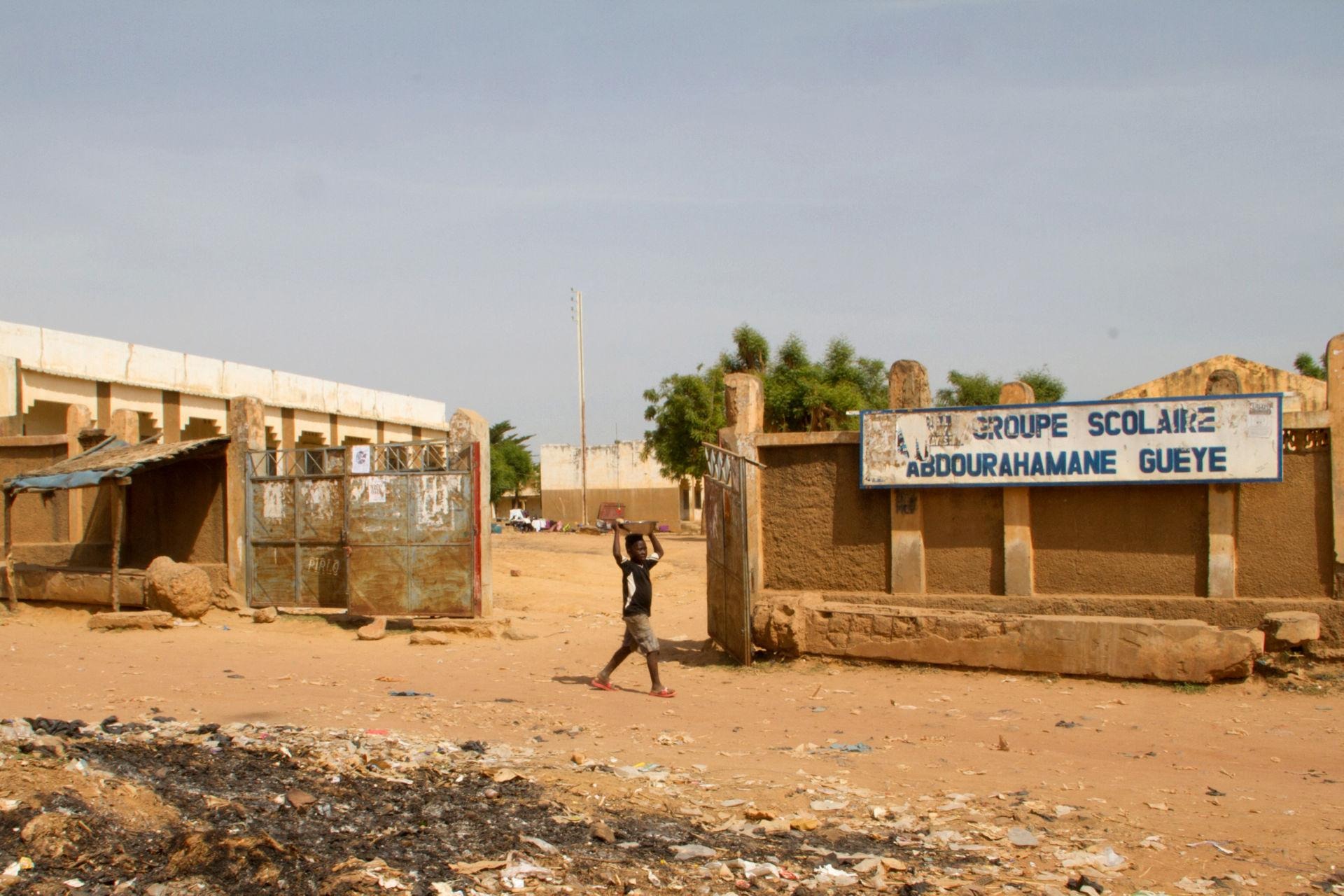
The lofty rhetoric surrounding Burkina Faso’s economic sovereignty and national dignity now confronts an uncomfortable truth: thousands of young Burkinabè expelled from Guinea are returning to a country that has yet to offer them a clear path to economic reintegration. After years of cross-border gold mining, these miners now face a critical question what viable opportunities await them in a nation that has so far failed to provide concrete solutions?
The gap between political promises and economic reality
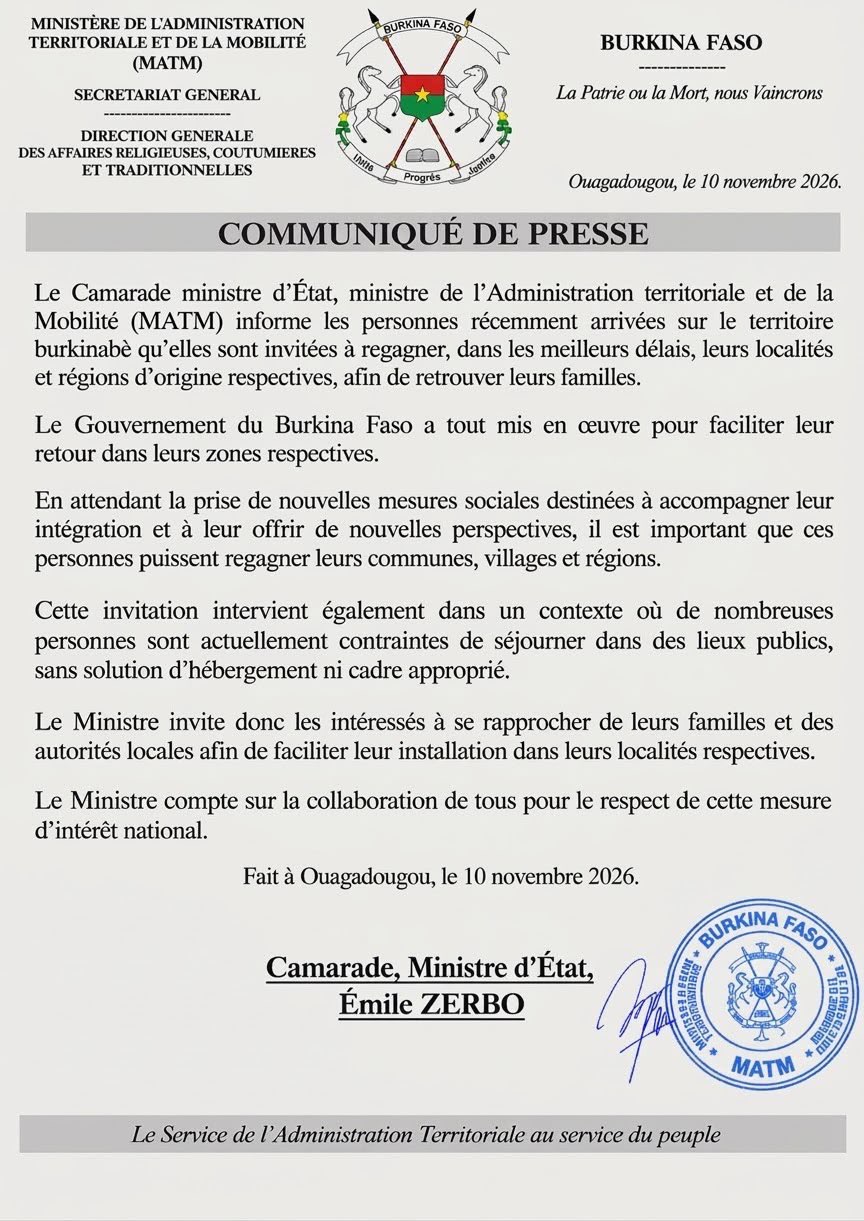
Government statements on resource sovereignty and national resilience ring hollow for many of these returnees. Rather than presenting a structured reintegration program with defined timelines, financial allocations, and measurable outcomes, authorities have simply urged displaced miners to return to their villages and reunite with their families. This administrative directive, while addressing immediate concerns, falls far short of a sustainable economic recovery strategy.
From goldfields to unemployment: the human cost of expulsion
These young miners did not venture to Guinea on a whim. For many, artisanal gold mining was not just a profession but a lifeline one that sustained families, funded education, and provided financial stability. Their forced repatriation has not only disrupted their livelihoods but also destabilized households that depended on their earnings.
Now, back in Burkina Faso, they confront a harsh reality: unemployment. Without access to capital, employment opportunities, or vocational training, their return offers little more than a return to the same economic precarity that initially drove them abroad. A directive to “go home” does not equate to economic security.
Sovereignty over resources vs. sovereignty over opportunities
The government’s emphasis on reclaiming natural resources has yet to translate into tangible benefits for the population. If Burkina Faso’s gold wealth is to foster true economic independence, it must do more than nationalize industrial mining operations it must ensure that ordinary citizens, including small-scale miners, can derive meaningful economic benefit from these resources.
The contradiction is stark: a nation that asserts control over its mineral wealth must also demonstrate the ability to transform that wealth into jobs, income, and stability for its people. Without such a framework, declarations of sovereignty remain hollow.
Can agriculture, livestock, and vocational training bridge the gap?
Officials have proposed several alternatives for returnees, including agriculture, livestock rearing, artisanal crafts, and vocational training. While these sectors hold potential, they are not instant solutions. Transitioning from gold mining to farming requires land access, equipment, seeds, technical training, and market linkages resources that many returnees lack. Similarly, livestock ventures demand initial capital, veterinary support, and reliable sales channels, none of which are guaranteed.
Vocational training programs, too, must be paired with financing mechanisms. A few weeks of instruction without startup funds or follow-up support does little to secure long-term employment. Cooperatives, often cited as a solution, require operational capital, equipment, and governance structures to function effectively. Without these foundations, they risk becoming yet another unfulfilled promise.
The funding dilemma: where is the capital for recovery?
Reintegration hinges on access to financing. Many returnees have exhausted savings to finance their return, while others arrive with no financial cushion at all. Without low-interest loans, startup grants, or public guarantees, the call to “start over” becomes an impossible burden. A successful reintegration strategy must differentiate between those with agricultural experience and those with none, tailoring support to individual needs rather than issuing blanket directives.
The social consequences of this crisis extend beyond individuals. Families relying on a miner’s income face immediate financial strain, from unpaid school fees to mounting debts. The collapse of one income source can trigger a cascade of hardships, underscoring the need for a holistic approach that addresses both economic and social vulnerabilities.
A mining policy that must prioritize small-scale workers
The government’s vision for the mining sector cannot focus solely on large-scale industrial operations. It must also integrate the realities of artisanal miners who have long powered local economies. A sustainable model would include:
Regulated artisanal mining sites with improved safety standards
Functional cooperatives with access to equipment and funding
Formal gold-buying channels to eliminate black-market exploitation
Environmental safeguards to mitigate the damage of unregulated mining
Such a framework would not only preserve livelihoods but also combat illegal mining, reduce workplace hazards, and formalize an industry that currently operates in the shadows.
The Ibrahim Traoré administration’s defining test
The expulsion of Burkinabè miners from Guinea has become a litmus test for the Traoré government. Beyond diplomatic protests and public statements, the administration must now deliver on its promises of economic recovery. The true measure of success will be visible in the coming months: How many returnees secure stable employment? How many access financing to restart their lives? How many families escape the cycle of poverty?
Until these questions are answered with concrete data and actionable policies, the rhetoric of sovereignty and resilience will remain just that rhetoric. For the young miners who have already sacrificed so much, the wait for real solutions is not just frustrating it is a denial of the dignity and opportunity they were promised.
By Élise Ntamag — Journalist