Escalating diplomatic friction between Nigeria and the AES over counter-terrorism efforts
A renewed wave of diplomatic friction has emerged between Nigeria and the member states of the Alliance of Sahel States (AES). At the heart of this latest dispute are recent remarks made by the Nigerian President, which have been met with strong disapproval in Bamako, Niamey, and Ouagadougou.
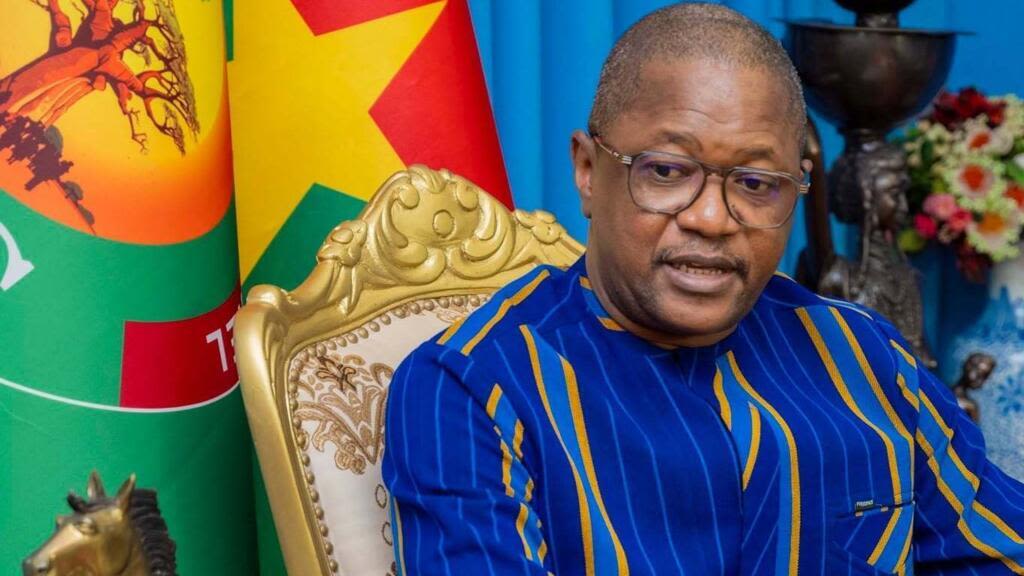
During a recent engagement with Nigerian traditional leaders, President Bola Ahmed Tinubu reportedly attributed a portion of the insecurity and kidnappings plaguing Nigeria’s northern regions to terrorist elements originating from neighboring countries. This assertion prompted a swift response from Burkina Faso’s Minister of Foreign Affairs, Karamoko Jean-Marie Traoré, who issued a communiqué. The statement underscored that terrorism represents a shared threat across the region. “Burkina Faso, Mali, Niger, and Nigeria confront the same adversary,” the document affirmed, while also conveying the AES’s profound regret over the Nigerian President’s declarations.
“The true adversaries lie elsewhere“
On the same day, representatives from the three confederation countries, gathered in Ouagadougou, summoned the Nigerian chargé d’affaires. They formally denounced President Bola Ahmed Tinubu’s comments, labeling them as “inaccurate.” Burkina Faso’s chief diplomat specifically conveyed that the Nigerian President’s statements appeared to diminish the significant counter-terrorism efforts undertaken by the AES armies. He emphasized, “We are not accountable for the challenges we face. The true adversaries lie elsewhere.“
In recent years, the security situation in northwestern Nigeria, particularly along its shared border with Niger, has deteriorated considerably. Relations between Abuja and its Sahelian neighbors had already experienced strain in 2023, following the coup d’état that ousted Mohamed Bazoum in Niamey, a pivotal moment impacting Niger politics and regional stability.
You may also like
AES currency delay: economic ripples for households and businesses
Radio frequencies in Côte d’Ivoire: what the AIGF’s spectrum control really means for Ivorians, businesses and the economy
How Burkina Faso’s phantom armored vehicle program drains resources and erodes public trust
How Benin’s AEO customs status is reshaping export economics for local businesses
Northern Niger’s power and water deficits: the tangible toll on livelihoods under Tiani